
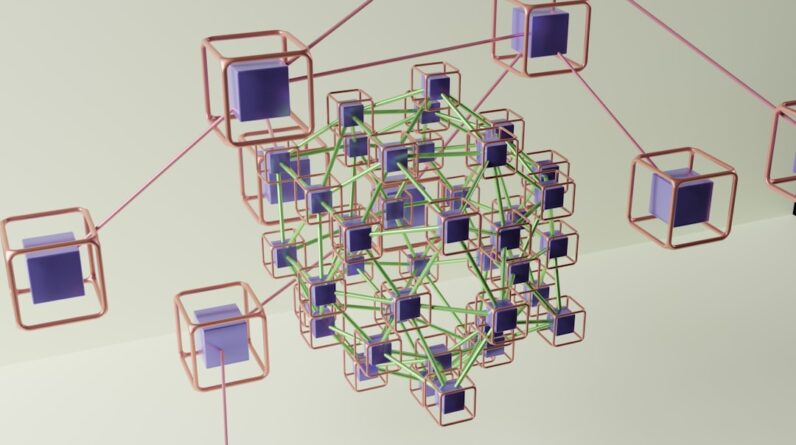
In the realm of blockchain technology, the term “crypto nodes” refers to the individual devices or computers that participate in the network by maintaining a copy of the blockchain and validating transactions. Each node plays a crucial role in ensuring the integrity and security of the entire system. By storing a complete or partial copy of the blockchain, nodes contribute to the decentralized nature of cryptocurrencies, allowing for transparency and trust without the need for a central authority.
This decentralized architecture is one of the key features that distinguishes blockchain from traditional databases. Crypto nodes can be thought of as the backbone of any blockchain network. They communicate with one another to share information, validate transactions, and propagate new blocks throughout the network.
Each node operates independently, yet they work collaboratively to maintain the overall health and functionality of the blockchain. This collective effort is what enables cryptocurrencies to function effectively, ensuring that all participants have access to the same information and that no single entity can manipulate the data for personal gain.
Key Takeaways
- Crypto nodes are essential components of a blockchain network, responsible for validating and relaying transactions.
- They work by communicating with other nodes to maintain a consistent and up-to-date ledger of transactions.
- Crypto nodes play a crucial role in securing the blockchain network by verifying transactions and preventing double spending.
- There are different types of crypto nodes, including full nodes, light nodes, and masternodes, each serving specific functions within the network.
- Setting up and running a crypto node requires technical knowledge and resources, but it comes with benefits such as contributing to the network’s security and earning rewards.
How do Crypto Nodes work?
The operation of crypto nodes is rooted in a consensus mechanism, which is a protocol that allows all nodes in the network to agree on the validity of transactions and blocks. When a transaction is initiated, it is broadcasted to all nodes in the network. Each node then verifies the transaction against its own copy of the blockchain to ensure that it adheres to the rules of the network, such as confirming that the sender has sufficient funds.
Once validated, the transaction is added to a pool of unconfirmed transactions, waiting to be included in a new block. When miners or validators create a new block, they gather these unconfirmed transactions and attempt to solve a complex mathematical problem, depending on the consensus mechanism in use (like Proof of Work or Proof of Stake). Once a block is successfully created, it is propagated to all nodes in the network.
Each node then verifies the new block and its transactions before adding it to their own copy of the blockchain. This process ensures that all nodes maintain an up-to-date and accurate version of the blockchain, reinforcing trust among participants.
The importance of Crypto Nodes in the blockchain network

Crypto nodes are vital for maintaining the decentralized nature of blockchain networks. By distributing data across numerous nodes, we eliminate single points of failure, making it significantly more difficult for malicious actors to compromise the system. This decentralization fosters resilience against attacks and enhances security, as altering any information on the blockchain would require controlling a majority of nodes simultaneously—a feat that is nearly impossible in well-established networks.
Moreover, nodes contribute to the overall efficiency and speed of transaction processing. The more nodes there are in a network, the more robust it becomes, as each node can independently verify transactions and blocks. This redundancy not only enhances security but also improves transaction throughput.
In essence, crypto nodes serve as both guardians and facilitators of blockchain technology, ensuring that it operates smoothly while upholding its core principles of transparency and decentralization.
Different types of Crypto Nodes
There are several types of crypto nodes, each serving distinct functions within a blockchain network. Full nodes are perhaps the most well-known type; they maintain a complete copy of the blockchain and validate all transactions and blocks independently. By doing so, full nodes contribute significantly to network security and integrity.
They are essential for ensuring that all participants adhere to the rules of the protocol. Another type is lightweight or SPV (Simplified Payment Verification) nodes. These nodes do not store a complete copy of the blockchain but instead rely on full nodes for transaction verification.
While they are less resource-intensive and can operate on devices with limited storage capacity, they sacrifice some level of security and trustworthiness since they depend on full nodes for accurate information. Additionally, there are mining nodes that participate in creating new blocks by solving complex mathematical problems, contributing directly to the consensus mechanism.
How to set up and run a Crypto Node
Setting up a crypto node can be an exciting venture for those interested in participating in blockchain networks. The first step involves selecting a cryptocurrency for which we want to run a node. Each cryptocurrency has its own requirements and software, so we must ensure compatibility with our hardware and operating system.
Once we have chosen our cryptocurrency, we can download the appropriate software from its official website or repository. After installation, we need to configure our node settings according to our preferences and network requirements. This may involve setting up port forwarding on our router to allow incoming connections or adjusting bandwidth settings to optimize performance.
Once configured, we can start our node software, which will begin downloading the entire blockchain history if we are running a full node. This process can take time and requires significant storage space, but it is essential for ensuring that we have an accurate copy of the blockchain.
The role of Crypto Nodes in securing the network

The security provided by crypto nodes is paramount in maintaining trust within blockchain networks. Each node independently verifies transactions and blocks before adding them to their local copy of the blockchain. This decentralized verification process means that no single entity can manipulate or alter transaction data without consensus from other nodes.
As a result, even if one or several nodes are compromised, the integrity of the entire network remains intact. Furthermore, by participating as a node, we contribute to the overall resilience of the network against attacks such as Distributed Denial-of-Service (DDoS) attacks or attempts at double-spending. The more nodes there are in a network, the harder it becomes for malicious actors to gain control over it.
This collective security model is one of the reasons why cryptocurrencies have gained popularity as secure alternatives to traditional financial systems.
The benefits of running a Crypto Node
Running a crypto node comes with several benefits that extend beyond simply supporting the network. One significant advantage is that we gain greater control over our transactions and data privacy. By operating our own node, we do not have to rely on third-party services for transaction verification or wallet management, reducing our exposure to potential hacks or data breaches.
Additionally, running a node can provide us with rewards in certain networks that incentivize participation through mechanisms like staking or transaction fees. For example, in Proof-of-Stake networks, we may earn rewards for validating transactions simply by holding coins in our node wallet. This not only helps us contribute to network security but also allows us to earn passive income while supporting a decentralized ecosystem.
The future of Crypto Nodes in the blockchain ecosystem
As blockchain technology continues to evolve, so too will the role and significance of crypto nodes within this ecosystem. With increasing adoption across various industries—from finance to supply chain management—nodes will play an even more critical role in ensuring that these networks remain secure and efficient. We can expect advancements in node technology that enhance performance while reducing resource requirements, making it easier for individuals and organizations to participate.
Moreover, as regulatory frameworks around cryptocurrencies develop, we may see new types of nodes emerge that cater specifically to compliance needs while maintaining decentralization principles. The future may also bring innovations such as hybrid models that combine aspects of both centralized and decentralized systems, allowing for greater flexibility while still leveraging the benefits of crypto nodes. In conclusion, crypto nodes are fundamental components of blockchain networks that ensure security, transparency, and decentralization.
As we continue to explore this dynamic landscape, our understanding and engagement with crypto nodes will undoubtedly shape the future of digital currencies and their applications across various sectors.
FAQs
What are Crypto Nodes?
Crypto nodes are essential components of a blockchain network that perform various tasks such as validating and relaying transactions, maintaining a copy of the blockchain, and participating in the consensus process.
How do Crypto Nodes work?
Crypto nodes communicate with each other to maintain a consistent and up-to-date version of the blockchain. They validate transactions and blocks, and relay this information to other nodes in the network.
What is the role of Crypto Nodes in a blockchain network?
Crypto nodes play a crucial role in securing and maintaining the integrity of a blockchain network. They help to validate transactions, prevent double spending, and ensure consensus among network participants.
What are the different types of Crypto Nodes?
There are different types of crypto nodes, including full nodes, light nodes, and masternodes. Each type has specific functions and requirements within the blockchain network.
How can one run a Crypto Node?
Running a crypto node typically involves setting up and maintaining a computer or server with the necessary software and hardware requirements. This can vary depending on the specific blockchain network.
What are the benefits of running a Crypto Node?
Running a crypto node can provide benefits such as contributing to the security and decentralization of the blockchain network, earning rewards in some cases, and gaining a deeper understanding of how blockchain technology works.


