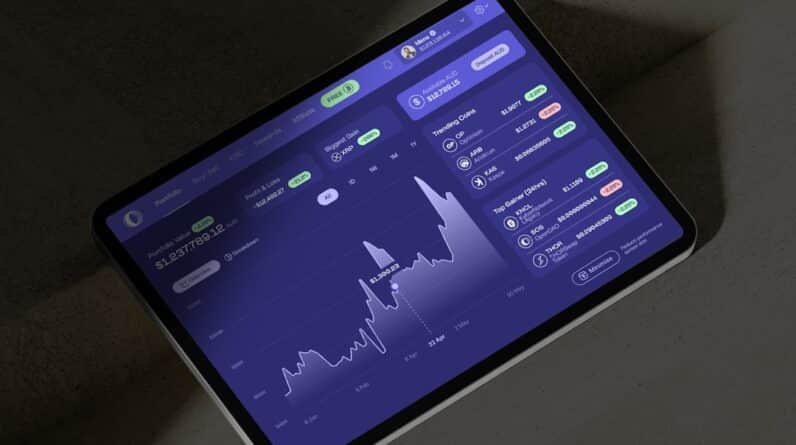
In recent years, digital currencies have emerged as a revolutionary force in the financial landscape, capturing the attention of investors, technologists, and everyday consumers alike. You may have heard terms like Bitcoin, Ethereum, and stablecoins being tossed around in conversations about the future of money. These digital assets operate on decentralized networks, primarily utilizing blockchain technology to ensure transparency and security.
Unlike traditional currencies issued by governments, digital currencies are not tied to any physical commodity or central authority, which allows for a new level of financial freedom and innovation. As you delve deeper into the world of digital currencies, you will discover that they come in various forms, each with its unique features and purposes. Some are designed for peer-to-peer transactions, while others serve as platforms for smart contracts or decentralized applications.
The allure of digital currencies lies not only in their potential for high returns but also in their ability to disrupt traditional financial systems. As you explore this dynamic landscape, understanding the underlying principles that govern these currencies will be crucial for making informed decisions about your investments and participation in this evolving market.
Key Takeaways
- Digital currencies are virtual or electronic currencies that use cryptography for security and operate independently of a central bank.
- Limited supplies in digital currencies refer to the finite amount of coins or tokens that can ever be created, which is often built into the currency’s protocol.
- Limited supplies play a crucial role in determining the value of digital currencies, as scarcity can drive up demand and price.
- Limited supplies also impact digital currency mining, as the difficulty of mining increases as the supply nears its limit, making it more challenging and resource-intensive.
- Factors such as halving events, token burning, and deflationary mechanisms can influence and further limit the supply of digital currencies, affecting their adoption and value.
Understanding Limited Supplies in Digital Currencies
One of the most intriguing aspects of many digital currencies is their limited supply. Unlike fiat currencies, which can be printed at will by central banks, many cryptocurrencies have a predetermined maximum supply. For instance, Bitcoin is capped at 21 million coins, a feature that is hard-coded into its protocol.
This scarcity is designed to create a sense of value and urgency among investors and users alike. As you consider investing in digital currencies, grasping the concept of limited supplies will help you understand why certain assets may hold more value than others. Limited supplies can create a unique economic environment within the digital currency ecosystem.
When you think about traditional commodities like gold or silver, their value often stems from their scarcity and the effort required to extract them. Similarly, the limited supply of certain digital currencies can lead to increased demand as more people become aware of their existence and potential benefits. This interplay between supply and demand is fundamental to understanding how these currencies function and why they may appreciate over time.
The Role of Limited Supplies in Digital Currency Value

The relationship between limited supplies and the value of digital currencies is a critical aspect that you should consider when evaluating potential investments. When a currency has a capped supply, it creates an inherent sense of scarcity that can drive up demand. As more individuals and institutions recognize the potential of these assets, the competition for ownership increases, often leading to price appreciation.
This phenomenon is particularly evident in the case of Bitcoin, which has seen its value soar as more people have sought to acquire it. Moreover, limited supplies can also contribute to the perception of a currency as a store of value. You may find that many investors view cryptocurrencies with capped supplies as a hedge against inflation and economic instability.
In times of financial uncertainty, individuals often turn to assets that are perceived as scarce and valuable. This behavior can further amplify the demand for digital currencies with limited supplies, reinforcing their status as an alternative investment class.
The Impact of Limited Supplies on Digital Currency Mining
Mining is a crucial process in the world of digital currencies, particularly for those that rely on proof-of-work mechanisms like Bitcoin. As you explore this aspect, you’ll find that limited supplies significantly influence mining operations. The process of mining involves solving complex mathematical problems to validate transactions and secure the network.
Miners are rewarded with newly minted coins for their efforts, but as the total supply approaches its cap, the rewards diminish over time. This diminishing reward structure creates a unique dynamic for miners. As you consider participating in mining activities, it’s essential to understand that the decreasing supply of new coins can lead to increased competition among miners.
With fewer coins being generated, miners must invest in more efficient hardware and energy sources to remain profitable. This situation can create barriers to entry for new miners while simultaneously driving innovation within the industry as existing miners seek ways to optimize their operations.
Factors Influencing Limited Supplies in Digital Currencies
Several factors contribute to the limited supplies of digital currencies, and understanding these elements can provide valuable insights into their long-term viability. One significant factor is the consensus mechanism employed by the currency’s protocol. For instance, Bitcoin’s proof-of-work system dictates how new coins are created and distributed, while other cryptocurrencies may utilize different methods such as proof-of-stake or delegated proof-of-stake.
Additionally, you should consider the governance structures surrounding these digital currencies. Some projects have built-in mechanisms for adjusting supply based on market conditions or community consensus. This flexibility can impact how limited supplies are perceived and managed over time.
As you navigate this complex landscape, staying informed about these factors will help you make more educated decisions regarding your investments in digital currencies.
How Limited Supplies Affect Digital Currency Adoption
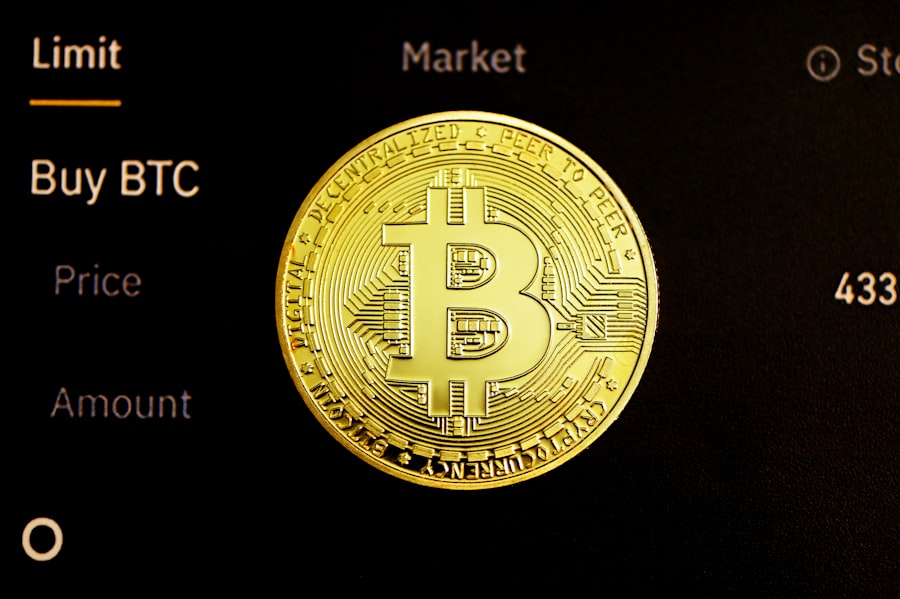
The concept of limited supplies plays a significant role in shaping the adoption rates of digital currencies. As you explore this topic, you’ll find that scarcity can create a sense of urgency among potential users and investors. When people perceive that a currency is limited in supply, they may be more inclined to adopt it quickly before it becomes too expensive or difficult to acquire.
Moreover, limited supplies can foster a sense of community among users who share a common interest in preserving the value of their holdings. This sense of belonging can drive further adoption as individuals rally around a shared vision for the currency’s future. As you engage with various digital currency communities, you’ll likely encounter discussions about the importance of maintaining scarcity and how it impacts overall adoption rates.
Challenges and Opportunities of Limited Supplies in Digital Currencies
While limited supplies present numerous opportunities for growth and investment in digital currencies, they also come with inherent challenges that you should be aware of. One significant challenge is the potential for price volatility. As demand fluctuates based on market sentiment or external factors, the prices of digital currencies with limited supplies can experience dramatic swings.
This volatility can be both an opportunity for profit and a risk for investors who may not be prepared for sudden market changes. On the other hand, limited supplies can also create opportunities for innovation within the digital currency space. As developers seek to address challenges related to scalability and transaction speed, new solutions may emerge that enhance the overall user experience.
You may find that some projects are exploring ways to create secondary markets or liquidity solutions that allow users to access their assets without compromising their long-term holdings.
The Future of Limited Supplies in Digital Currencies
As you reflect on the future of limited supplies in digital currencies, it’s clear that this concept will continue to shape the landscape for years to come. The interplay between scarcity and demand will likely drive innovation and investment opportunities as more individuals recognize the potential benefits of participating in this evolving market. Understanding how limited supplies influence value, mining operations, adoption rates, and overall market dynamics will be essential for navigating this complex environment.
In conclusion, as you engage with digital currencies, keep an eye on how limited supplies impact your investment decisions and interactions within this space. The future holds immense potential for those who are willing to learn and adapt to the ever-changing landscape of digital currencies. By staying informed about these trends and developments, you can position yourself to take advantage of the opportunities that lie ahead while mitigating potential risks associated with this exciting financial frontier.
FAQs
What is the significance of limited supply in digital currencies?
Limited supply in digital currencies is significant because it can create scarcity, which can potentially increase the value of the currency over time. This scarcity can also help to prevent inflation and maintain the purchasing power of the currency.
Why do some digital currencies have limited supplies?
Some digital currencies have limited supplies as a deliberate design choice by their creators. This is often done to mimic the scarcity of precious metals like gold and to create a sense of value and stability for the currency.
How does limited supply affect the value of a digital currency?
Limited supply can affect the value of a digital currency by creating scarcity, which can drive up demand and increase the price of the currency. This can make the currency more attractive to investors and users as a store of value.
What are the potential drawbacks of limited supply in digital currencies?
One potential drawback of limited supply in digital currencies is that it can lead to hoarding and a lack of circulation, which can hinder the currency’s use as a medium of exchange. Additionally, limited supply can also make the currency more susceptible to price volatility.