When you first delve into the world of cryptocurrency, one of the first concepts you encounter is that of cryptocurrency exchanges. These platforms serve as the primary marketplace for buying, selling, and trading digital currencies. Essentially, a cryptocurrency exchange acts as an intermediary between buyers and sellers, facilitating transactions in a secure environment.
You can think of it as a digital version of a stock exchange, where various cryptocurrencies are listed and traded based on market demand and supply. Cryptocurrency exchanges can be broadly categorized into two types: centralized and decentralized. Centralized exchanges are operated by companies that manage the platform and hold users’ funds, while decentralized exchanges allow users to trade directly with one another without the need for an intermediary.
Understanding these distinctions is crucial for you as a potential investor or trader, as each type of exchange has its own set of advantages and disadvantages. Centralized exchanges often provide higher liquidity and user-friendly interfaces, making them more accessible for beginners. On the other hand, decentralized exchanges offer greater privacy and control over your funds, appealing to those who prioritize security and autonomy.
Key Takeaways
- Cryptocurrency exchanges are online platforms where users can buy, sell, and trade cryptocurrencies.
- When choosing a cryptocurrency exchange, factors to consider include security, fees, supported cryptocurrencies, user interface, and customer support.
- Popular cryptocurrency exchanges include Binance, Coinbase, Kraken, and Bitfinex.
- To buy cryptocurrency on an exchange, users need to create an account, deposit funds, and place an order for the desired cryptocurrency.
- To sell cryptocurrency on an exchange, users need to select the cryptocurrency to sell, choose the selling price, and confirm the transaction.
Factors to Consider When Choosing a Cryptocurrency Exchange
Selecting the right cryptocurrency exchange is a pivotal step in your journey into the crypto space. One of the first factors to consider is the exchange’s reputation and reliability. You should look for platforms that have been in operation for several years and have garnered positive reviews from users.
Researching online forums and social media can provide insights into the experiences of other traders, helping you gauge whether an exchange is trustworthy. Another critical aspect to evaluate is the range of cryptocurrencies available on the exchange. While Bitcoin remains the most popular digital currency, there are thousands of altcoins that may pique your interest.
If you have specific cryptocurrencies in mind that you wish to trade, ensure that the exchange supports them. Additionally, consider the trading fees associated with each platform. Some exchanges charge a flat fee per transaction, while others may have tiered pricing based on your trading volume.
Understanding these costs will help you make informed decisions and maximize your potential profits.
Popular Cryptocurrency Exchanges

As you explore the landscape of cryptocurrency exchanges, you’ll come across several well-known platforms that dominate the market. Binance is often regarded as one of the largest and most versatile exchanges globally, offering a wide array of cryptocurrencies and trading pairs. Its user-friendly interface and advanced trading features make it suitable for both beginners and experienced traders alike.
Additionally, Binance provides various services such as staking and futures trading, allowing you to diversify your investment strategies. Coinbase is another popular choice, especially among newcomers to cryptocurrency. Its straightforward design and educational resources make it easy for you to navigate the complexities of buying and selling digital assets.
Coinbase also offers a secure wallet service, ensuring that your funds are protected while you learn the ropes of cryptocurrency trading. However, it’s worth noting that Coinbase’s fees can be higher compared to other exchanges, so you should weigh this against its convenience and ease of use.
How to Buy Cryptocurrency on an Exchange
Once you’ve chosen a cryptocurrency exchange that aligns with your needs, the next step is to buy cryptocurrency. The process typically begins with creating an account on the platform. You’ll need to provide some personal information and verify your identity, which may involve submitting documents such as a government-issued ID or proof of address.
This verification process is essential for ensuring compliance with regulations and safeguarding against fraud. After your account is set up and verified, you can fund it using various payment methods, including bank transfers, credit cards, or even other cryptocurrencies. Once your account has been funded, you can navigate to the trading section of the exchange.
Here, you’ll find options to buy different cryptocurrencies at current market prices or set limit orders to purchase at a specific price point. As you make your purchase, it’s crucial to double-check all details before confirming the transaction to avoid any costly mistakes.
How to Sell Cryptocurrency on an Exchange
Selling cryptocurrency on an exchange is a straightforward process that mirrors buying in many ways. To begin, log into your account and navigate to the trading section where your holdings are displayed. You’ll see options for selling your cryptocurrencies, which may include market orders or limit orders.
A market order allows you to sell at the current market price, while a limit order lets you set a specific price at which you’re willing to sell. Before executing a sale, consider your reasons for selling. Are you looking to take profits from a recent price surge, or are you concerned about potential losses?
Understanding your motivations can help you make more informed decisions about when to sell. Once you’ve decided on the type of order to place, simply enter the amount of cryptocurrency you wish to sell and confirm the transaction. After selling, you can withdraw your funds back to your bank account or reinvest them in other cryptocurrencies.
How to Trade Cryptocurrency on an Exchange

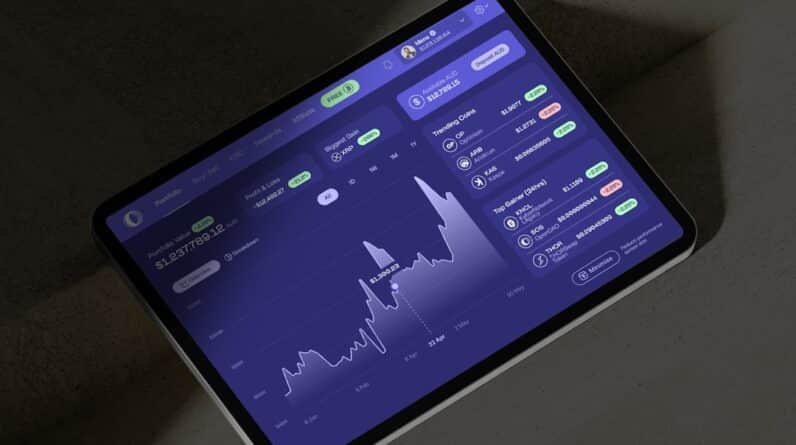
Trading cryptocurrency involves more than just buying and selling; it requires strategy and an understanding of market trends. When you’re ready to trade, familiarize yourself with the trading interface of your chosen exchange. Most platforms provide charts and tools that allow you to analyze price movements over time.
You can use these tools to identify patterns or trends that may inform your trading decisions. There are various trading strategies you might consider adopting based on your risk tolerance and investment goals. Day trading involves making multiple trades within a single day based on short-term price movements, while swing trading focuses on holding positions for several days or weeks to capitalize on longer-term trends.
Regardless of your chosen strategy, it’s essential to stay informed about market news and developments that could impact prices. This knowledge will empower you to make timely decisions and potentially increase your profitability.
Security Measures for Cryptocurrency Exchanges
Security is paramount when it comes to cryptocurrency exchanges, as they are often targeted by hackers seeking to exploit vulnerabilities. As a user, it’s crucial for you to understand the security measures implemented by the exchange you choose. Look for platforms that employ robust security protocols such as two-factor authentication (2FA), which adds an extra layer of protection by requiring a second form of verification when logging in or making transactions.
Additionally, consider whether the exchange stores user funds in cold wallets—offline storage solutions that are less susceptible to hacking attempts. Researching an exchange’s history regarding security breaches can also provide valuable insights into its reliability. Remember that while exchanges take significant steps to protect their users’ assets, it’s equally important for you to practice good security hygiene by using strong passwords and being cautious about phishing attempts.
Future of Cryptocurrency Exchanges
The future of cryptocurrency exchanges appears promising as digital currencies continue gaining traction in mainstream finance. As more individuals and institutions embrace cryptocurrencies, exchanges are likely to evolve in response to growing demand. You may witness advancements in technology that enhance user experience, such as improved trading interfaces and faster transaction processing times.
Moreover, regulatory developments will play a significant role in shaping the future landscape of cryptocurrency exchanges. As governments around the world establish clearer guidelines for digital assets, exchanges will need to adapt their operations accordingly. This could lead to increased transparency and security measures that benefit users like yourself while fostering greater trust in the cryptocurrency ecosystem.
In conclusion, understanding cryptocurrency exchanges is essential for anyone looking to navigate this exciting yet complex market. By considering factors such as reputation, available cryptocurrencies, and security measures, you can make informed choices that align with your investment goals. As you embark on this journey, remember that continuous learning and staying updated on market trends will be key components of your success in the world of cryptocurrency trading.
FAQs
What is a cryptocurrency exchange?
A cryptocurrency exchange is a platform that allows users to buy, sell, and trade cryptocurrencies. It acts as an intermediary between buyers and sellers, facilitating the exchange of digital currencies.
How do cryptocurrency exchanges work?
Cryptocurrency exchanges work by matching buy and sell orders from users. When a buyer and seller agree on a price, the exchange facilitates the transaction and charges a fee for its services.
What are the different types of cryptocurrency exchanges?
There are several types of cryptocurrency exchanges, including centralized exchanges, decentralized exchanges, and peer-to-peer exchanges. Centralized exchanges are the most common and are operated by a central authority. Decentralized exchanges operate without a central authority, and peer-to-peer exchanges allow users to trade directly with one another.
What should I consider when choosing a cryptocurrency exchange?
When choosing a cryptocurrency exchange, consider factors such as security, fees, supported cryptocurrencies, trading volume, user interface, and customer support. It’s important to research and compare different exchanges to find one that meets your specific needs.
What are some popular cryptocurrency exchanges?
Some popular cryptocurrency exchanges include Binance, Coinbase, Kraken, Bitfinex, and Huobi. These exchanges are known for their security, user-friendly interfaces, and wide range of supported cryptocurrencies.
How can I buy, sell, and trade cryptocurrencies on an exchange?
To buy, sell, and trade cryptocurrencies on an exchange, you’ll need to create an account, deposit funds, and place buy or sell orders. Once your orders are matched with other users, the exchange will facilitate the transactions and update your account balance accordingly.