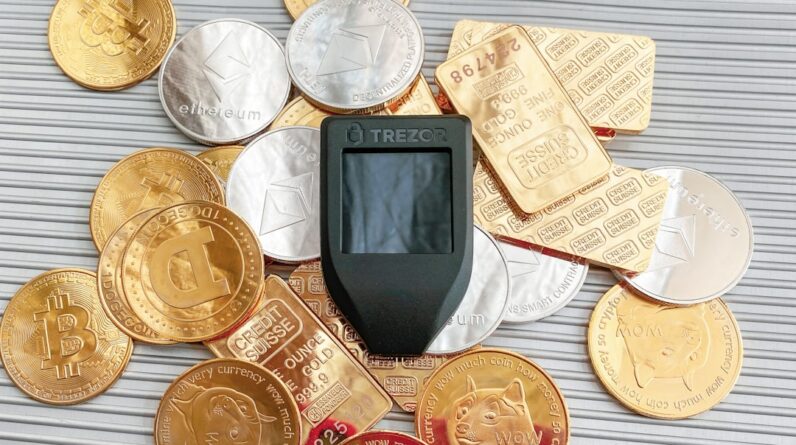
As you embark on your journey into the world of cryptocurrency investing, it’s essential to grasp the foundational concepts that underpin this digital asset class. Cryptocurrency, at its core, is a form of digital or virtual currency that uses cryptography for security. Unlike traditional currencies issued by governments, cryptocurrencies operate on decentralized networks based on blockchain technology.
This decentralized nature means that transactions can occur directly between users without the need for intermediaries like banks, which can lead to lower fees and faster transaction times. To truly understand crypto investing, you must familiarize yourself with key terms and concepts. For instance, you should know what a blockchain is—a distributed ledger that records all transactions across a network of computers.
Additionally, understanding the difference between coins and tokens is crucial; while coins like Bitcoin and Ethereum operate on their own blockchains, tokens are built on existing blockchains and often serve specific purposes within their ecosystems. By grasping these basics, you will be better equipped to navigate the complexities of the crypto market.
Key Takeaways
- Crypto investing involves buying and holding digital assets with the expectation of profit.
- Research and analyze the potential of different cryptocurrencies before making investment decisions.
- Use hardware wallets or reputable software wallets to securely store your crypto investments.
- Set clear investment goals and use strategies like dollar-cost averaging for buying and selling cryptocurrencies.
- Diversify your crypto portfolio to manage risks and stay informed about market trends and regulatory changes.
Choosing the Right Cryptocurrencies to Invest In
When it comes to selecting cryptocurrencies for your investment portfolio, the options can be overwhelming. With thousands of cryptocurrencies available, it’s vital to conduct thorough research to identify which ones align with your investment goals and risk tolerance. Start by examining the market capitalization of various cryptocurrencies, as this can provide insight into their stability and potential for growth.
Generally, larger market cap coins like Bitcoin and Ethereum are considered safer investments compared to smaller altcoins, which can be more volatile. In addition to market cap, you should also consider the technology behind each cryptocurrency. Look into the use cases and real-world applications of the coins you’re interested in.
For example, some cryptocurrencies focus on enhancing privacy, while others aim to improve transaction speeds or facilitate smart contracts. By understanding the unique features and potential of each cryptocurrency, you can make more informed decisions about where to allocate your funds. Furthermore, keeping an eye on community engagement and developer activity can also provide valuable insights into a cryptocurrency’s long-term viability.
Setting Up a Secure Wallet for Your Crypto Investments

Once you’ve decided which cryptocurrencies to invest in, the next step is to set up a secure wallet to store your digital assets. A cryptocurrency wallet is a software program or hardware device that allows you to send, receive, and manage your cryptocurrencies safely. There are several types of wallets available, including hot wallets (connected to the internet) and cold wallets (offline storage).
While hot wallets offer convenience for frequent trading, cold wallets provide enhanced security against hacking and theft. When choosing a wallet, consider factors such as ease of use, security features, and compatibility with the cryptocurrencies you plan to invest in. Hardware wallets like Ledger or Trezor are popular choices for those looking for maximum security, while software wallets like Exodus or Trust Wallet may be more suitable for casual investors.
Regardless of your choice, always remember to enable two-factor authentication and keep your recovery phrases secure. By taking these precautions, you can significantly reduce the risk of losing your investments due to cyber threats.
Strategies for Buying and Selling Cryptocurrencies
Developing a solid strategy for buying and selling cryptocurrencies is crucial for maximizing your investment returns. One common approach is dollar-cost averaging (DCA), where you invest a fixed amount of money at regular intervals regardless of market conditions. This strategy helps mitigate the impact of volatility by spreading out your purchases over time, allowing you to buy more when prices are low and less when prices are high.
Another strategy involves setting clear entry and exit points based on technical analysis or market trends. By analyzing price charts and identifying support and resistance levels, you can make more informed decisions about when to buy or sell. Additionally, consider using stop-loss orders to protect your investments from significant downturns.
This automated feature allows you to set a predetermined price at which your assets will be sold if they begin to decline, helping you minimize potential losses.
Managing Risks and Diversifying Your Crypto Portfolio
Investing in cryptocurrencies carries inherent risks due to their volatile nature. To manage these risks effectively, diversification is key. By spreading your investments across different cryptocurrencies and asset classes, you can reduce the impact of poor performance from any single investment on your overall portfolio.
Consider allocating a portion of your funds to established coins like Bitcoin and Ethereum while also exploring promising altcoins that have strong fundamentals. In addition to diversifying your crypto holdings, it’s essential to regularly review and rebalance your portfolio based on market conditions and your investment goals. This may involve selling off underperforming assets or reallocating funds into new opportunities that align with your strategy.
By staying proactive in managing your portfolio, you can better navigate the ups and downs of the crypto market while positioning yourself for long-term success.
Staying Informed and Keeping Up with Market Trends

The cryptocurrency market is constantly evolving, making it crucial for investors like you to stay informed about the latest developments and trends. Follow reputable news sources, blogs, and social media channels dedicated to cryptocurrency to gain insights into market movements and emerging technologies. Engaging with online communities such as forums or social media groups can also provide valuable perspectives from fellow investors.
Additionally, consider subscribing to newsletters or podcasts that focus on cryptocurrency analysis and market trends. These resources can help you stay updated on regulatory changes, technological advancements, and potential investment opportunities. By remaining informed and adaptable, you can make timely decisions that align with market dynamics and enhance your investment strategy.
Tax Implications and Reporting for Crypto Investments
As you navigate the world of cryptocurrency investing, it’s essential to understand the tax implications associated with your transactions. In many jurisdictions, cryptocurrencies are treated as property for tax purposes, meaning that capital gains tax may apply when you sell or trade your digital assets. Familiarize yourself with the specific regulations in your country regarding reporting requirements and tax obligations related to crypto investments.
To ensure compliance with tax laws, keep detailed records of all your transactions, including dates, amounts, and the purpose of each trade. Utilizing accounting software designed for cryptocurrency can simplify this process by automatically tracking your trades and calculating gains or losses. By staying organized and informed about tax regulations, you can avoid potential penalties while maximizing your investment returns.
Resources and Tools for Successful Crypto Investing
To enhance your cryptocurrency investing experience, take advantage of various resources and tools available in the market. Cryptocurrency exchanges like Coinbase or Binance provide user-friendly platforms for buying and selling digital assets while offering educational resources for beginners. Additionally, portfolio tracking apps such as Blockfolio or CoinStats allow you to monitor your investments in real-time and analyze performance metrics.
For those interested in deeper analysis, consider utilizing charting tools like TradingView or Coinigy that offer advanced technical analysis features. These platforms enable you to create custom charts and indicators tailored to your trading strategy. Furthermore, engaging with online courses or webinars focused on cryptocurrency investing can provide valuable insights from industry experts.
By leveraging these resources effectively, you can enhance your knowledge and skills as a crypto investor. In conclusion, navigating the world of cryptocurrency investing requires a solid understanding of its fundamentals, careful selection of assets, secure storage practices, strategic trading approaches, risk management techniques, ongoing education, awareness of tax implications, and utilization of available resources. By following these guidelines and remaining proactive in your investment journey, you can position yourself for success in this dynamic and rapidly evolving market.