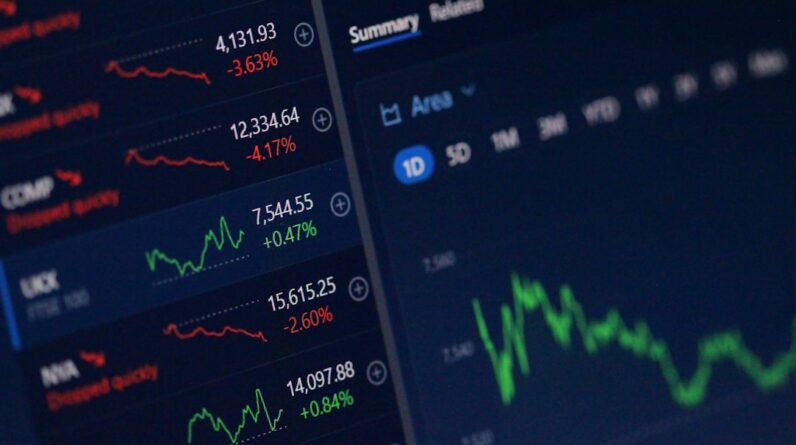
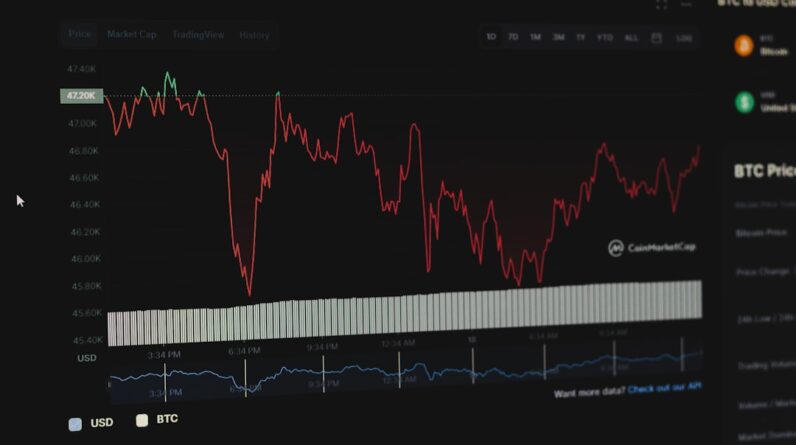
When you delve into the world of cryptocurrencies, one of the first things that strikes you is the extreme volatility that characterizes this market. Prices can soar to unprecedented heights one day and plummet the next, creating an environment ripe for speculation. This volatility can be both exhilarating and terrifying.
As you watch the charts fluctuate, you may feel the rush of adrenaline as you consider the potential for significant gains. However, this same volatility can lead to devastating losses, making it essential for you to approach trading with caution and a well-thought-out strategy. Speculation in the cryptocurrency market often attracts a diverse range of investors, from seasoned traders to novices looking to make a quick profit.
You might find yourself caught up in the excitement, driven by the fear of missing out (FOMO) on the next big opportunity. However, it’s crucial to remember that speculation is inherently risky. The rapid price changes can be influenced by various factors, including market sentiment, news events, and even social media trends.
As you navigate this unpredictable landscape, it’s vital to maintain a level head and avoid making impulsive decisions based solely on short-term price movements.
Key Takeaways
- Volatility and speculation are inherent in the cryptocurrency market, leading to rapid price fluctuations and high risk for investors.
- Lack of regulation and security in the cryptocurrency market leaves investors vulnerable to hacking, theft, and fraud.
- The potential for fraud and scams is high in the cryptocurrency market, with many instances of Ponzi schemes and fake initial coin offerings (ICOs).
- Market manipulation is a significant concern in the cryptocurrency market, with pump and dump schemes and insider trading affecting prices.
- Technological risks such as network attacks and software vulnerabilities pose a threat to the security and stability of cryptocurrencies.
- Lack of understanding and education about cryptocurrencies leaves investors susceptible to making uninformed decisions and falling victim to scams.
- Tax and legal implications of cryptocurrency transactions are complex and vary by jurisdiction, leading to potential legal and financial consequences for investors.
- The psychological and emotional impact of investing in cryptocurrencies can be significant, with the potential for stress, anxiety, and fear of missing out (FOMO) influencing decision-making.
Lack of Regulation and Security
As you explore the cryptocurrency space, you quickly realize that one of its defining features is the lack of regulation. Unlike traditional financial markets, which are governed by strict rules and oversight, the crypto market operates in a relatively unregulated environment. This absence of regulation can be both a blessing and a curse.
On one hand, it allows for innovation and freedom; on the other hand, it exposes you to significant risks. Without regulatory bodies to enforce standards, you may find yourself navigating a landscape filled with uncertainty and potential pitfalls. Security is another critical concern in the realm of cryptocurrencies.
While blockchain technology is often touted for its security features, the platforms and exchanges where you buy and sell cryptocurrencies can be vulnerable to hacks and breaches. You may have heard stories of exchanges being compromised, leading to substantial losses for investors. To protect yourself, it’s essential to take proactive measures, such as using secure wallets and enabling two-factor authentication.
By prioritizing security, you can mitigate some of the risks associated with this largely unregulated market.
Potential for Fraud and Scams

The allure of quick profits in the cryptocurrency market has unfortunately attracted a host of fraudulent schemes and scams. As you navigate this space, it’s crucial to remain vigilant and skeptical of offers that seem too good to be true. Ponzi schemes, fake initial coin offerings (ICOs), and phishing attacks are just a few examples of the types of fraud that can ensnare unsuspecting investors.
You may find yourself bombarded with advertisements promising guaranteed returns or insider tips—it’s essential to approach these claims with caution. To protect yourself from falling victim to fraud, thorough research is your best ally. Before investing in any cryptocurrency or project, take the time to investigate its legitimacy.
Look for credible sources of information, read reviews from other investors, and verify the identities of those behind the project. By arming yourself with knowledge and skepticism, you can significantly reduce your risk of encountering scams in this volatile market.
Market Manipulation
Market manipulation is another significant concern that looms over the cryptocurrency landscape. As you engage with this market, you may notice that prices can be influenced by a small number of individuals or entities with substantial holdings—often referred to as “whales.” These players can execute trades that dramatically affect prices, creating an illusion of demand or supply that may not reflect the true market conditions. This manipulation can lead to significant losses for unsuspecting investors like yourself who may be swayed by sudden price movements.
Understanding market manipulation is crucial for your success as an investor. You should familiarize yourself with common tactics used by manipulators, such as pump-and-dump schemes or wash trading. By recognizing these patterns, you can better protect yourself from making impulsive decisions based on artificially inflated prices.
Staying informed about market trends and maintaining a long-term perspective can help you navigate these challenges more effectively.
Technological Risks
The technological foundation of cryptocurrencies is both a strength and a vulnerability. While blockchain technology offers transparency and security, it also comes with inherent risks that you must consider. For instance, software bugs or vulnerabilities in smart contracts can lead to significant financial losses if exploited by malicious actors.
As you engage with various cryptocurrencies and platforms, it’s essential to stay informed about potential technological risks that could impact your investments. Moreover, the rapid pace of technological advancement in the crypto space means that new projects and innovations are constantly emerging. While this can create exciting opportunities for investment, it also introduces uncertainty.
You may find yourself grappling with questions about which technologies will stand the test of time and which will fade into obscurity. To navigate these technological risks effectively, continuous learning and adaptation are key. By staying updated on industry developments and understanding the underlying technology behind your investments, you can make more informed decisions.
Lack of Understanding and Education

One of the most significant barriers to successful investing in cryptocurrencies is the lack of understanding and education surrounding this complex field. As you embark on your crypto journey, you may quickly realize that many concepts—such as blockchain technology, decentralized finance (DeFi), and non-fungible tokens (NFTs)—can be overwhelming at first glance. This lack of familiarity can lead to poor investment decisions driven by fear or misinformation.
To overcome this challenge, investing time in education is essential. There are numerous resources available online, including articles, videos, podcasts, and forums where you can learn from experienced investors and industry experts. By dedicating yourself to understanding the fundamentals of cryptocurrencies and their underlying technologies, you can build a solid foundation that will empower you to make informed decisions in this rapidly evolving market.
Tax and Legal Implications
As you navigate the world of cryptocurrencies, it’s crucial to be aware of the tax and legal implications associated with your investments. The regulatory landscape surrounding cryptocurrencies varies significantly from one jurisdiction to another, which means that your obligations may differ depending on where you reside. In many countries, cryptocurrencies are treated as assets for tax purposes, meaning that any gains or losses from trading may be subject to capital gains tax.
Understanding your tax obligations is vital for avoiding potential legal issues down the line. You should keep detailed records of your transactions, including dates, amounts, and prices at which you bought or sold cryptocurrencies. Consulting with a tax professional who specializes in cryptocurrency can provide valuable guidance tailored to your specific situation.
By staying informed about tax regulations and ensuring compliance, you can focus on your investment strategy without worrying about unexpected legal repercussions.
Psychological and Emotional Impact
Investing in cryptocurrencies can take a toll on your psychological well-being due to its inherent volatility and unpredictability. As prices fluctuate dramatically within short periods, you may experience a rollercoaster of emotions—excitement during price surges and anxiety during downturns. This emotional turmoil can lead to impulsive decision-making or even panic selling when faced with losses.
To mitigate these psychological impacts, developing a disciplined investment strategy is essential. Setting clear goals and establishing risk management practices can help you maintain perspective during turbulent times. Additionally, practicing mindfulness techniques or seeking support from fellow investors can provide valuable coping mechanisms as you navigate the emotional landscape of cryptocurrency investing.
By prioritizing your mental well-being alongside your financial goals, you can foster a healthier relationship with your investments. In conclusion, while the world of cryptocurrencies offers exciting opportunities for profit and innovation, it also presents numerous challenges that require careful consideration. By understanding the volatility and speculation inherent in this market, recognizing potential risks such as fraud and manipulation, prioritizing education, and addressing psychological impacts, you can position yourself for success in this dynamic landscape.
As you continue your journey into cryptocurrency investing, remember that knowledge is power—equipping yourself with information will empower you to make informed decisions that align with your financial goals.
FAQs
What are the dangers of investing in crypto?
Investing in crypto comes with several risks, including price volatility, security concerns, regulatory uncertainty, and the potential for fraud and scams.
How volatile is the crypto market?
The crypto market is known for its extreme price volatility, with prices of cryptocurrencies often experiencing rapid and significant fluctuations within short periods of time.
What are the security concerns associated with crypto investments?
Security concerns in the crypto space include the risk of hacking, theft, and loss of funds due to vulnerabilities in cryptocurrency exchanges, wallets, and other infrastructure.
What is the regulatory uncertainty surrounding crypto investments?
The regulatory landscape for cryptocurrencies and digital assets is constantly evolving, leading to uncertainty about how they will be treated by governments and financial authorities around the world.
How prevalent are fraud and scams in the crypto industry?
The crypto industry has been plagued by numerous frauds and scams, including Ponzi schemes, fake initial coin offerings (ICOs), and phishing attacks, which have resulted in significant financial losses for investors.
Are there any other risks associated with investing in crypto?
Other risks of investing in crypto include the lack of investor protection, potential for market manipulation, and the speculative nature of many cryptocurrency projects.