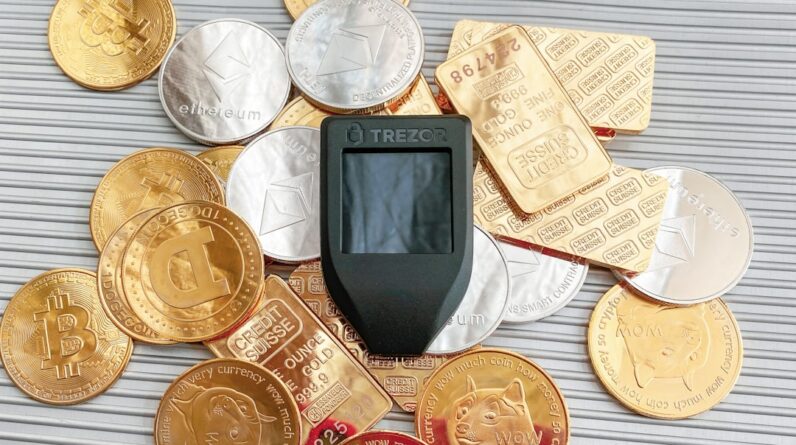
in the rapidly evolving world of digital finance, cryptocurrency exchanges and wallets play pivotal roles in how you interact with cryptocurrencies. as you embark on your journey into the realm of digital currencies, understanding these two essential components is crucial. cryptocurrency exchanges serve as platforms where you can buy, sell, or trade various cryptocurrencies, while wallets are tools that allow you to store and manage your digital assets securely.
both are integral to your experience in the crypto space, yet they serve distinct purposes that are important to grasp. as you delve deeper into the world of cryptocurrencies, you’ll find that the relationship between exchanges and wallets is both complementary and complex. while exchanges facilitate transactions and provide liquidity, wallets offer a safe haven for your assets.
this article aims to clarify the differences between these two entities, helping you make informed decisions as you navigate the exciting yet sometimes daunting landscape of cryptocurrency.
Essential Highlights About This Article:
- cryptocurrency exchanges are platforms where users can buy, sell, and trade digital currencies.
- understanding the different types of cryptocurrency exchanges, such as centralized, decentralized, and peer-to-peer, is important for making informed decisions.
- cryptocurrency wallets store the user’s digital assets and provide access to the blockchain to send and receive funds.
- security measures differ between exchanges and wallets, with exchanges being more susceptible to hacking and wallets requiring proper backup and protection.
- exchanges offer trading and liquidity, while wallets provide control and ownership of digital assets.
understanding cryptocurrency exchanges
cryptocurrency exchanges are online platforms that enable you to trade cryptocurrencies for other digital assets or fiat currencies. they act as intermediaries, matching buyers with sellers and providing a marketplace for various cryptocurrencies. when you decide to engage with an exchange, you typically create an account, deposit funds, and then place orders to buy or sell cryptocurrencies.
the ease of use and accessibility of these platforms have contributed to their popularity among both novice and experienced traders. there are two primary types of exchanges: centralized and decentralized. centralized exchanges (cexs) are managed by companies that facilitate transactions and hold users’ funds in their custody.
this model offers convenience and often a user-friendly interface, making it easier for you to navigate the trading process. on the other hand, decentralized exchanges (dexs) operate without a central authority, allowing you to trade directly with other users. while dexs offer greater privacy and control over your funds, they may come with a steeper learning curve and less liquidity compared to their centralized counterparts.
how cryptocurrency wallets work

cryptocurrency wallets are essential tools for anyone looking to store, send, or receive digital currencies securely. unlike traditional wallets that hold physical cash, cryptocurrency wallets store your private keys—the cryptographic keys that grant you access to your digital assets on the blockchain. there are several types of wallets available, each with its own features and security measures.
these include hardware wallets, software wallets, mobile wallets, and paper wallets. when you use a wallet, you’re not actually storing your cryptocurrencies within it; instead, you’re storing the keys that allow you to access your assets on the blockchain. this means that if you lose your wallet or forget your private keys, you could potentially lose access to your funds permanently.
therefore, it’s crucial to choose a wallet that aligns with your needs and to implement best practices for securing your keys. for instance, hardware wallets are often recommended for long-term storage due to their robust security features, while software wallets may be more suitable for everyday transactions.
security differences between exchanges and wallets
security is a paramount concern in the cryptocurrency space, and understanding the differences between the security measures of exchanges and wallets is vital for protecting your assets. centralized exchanges often become targets for hackers due to the large amounts of funds they hold. while reputable exchanges implement advanced security protocols such as two-factor authentication (2fa), cold storage for funds, and regular security audits, they still carry inherent risks.
if an exchange is compromised, your funds could be at risk if they are held on the platform. in contrast, cryptocurrency wallets—especially hardware wallets—offer a higher level of security because they allow you to store your private keys offline. this significantly reduces the risk of hacking since your keys are not exposed to the internet.
however, it’s important to note that even wallets can be vulnerable if not used correctly. for example, if you fail to back up your wallet or share your recovery phrase with others, you could lose access to your funds. therefore, understanding how each option secures your assets is crucial in making informed decisions about where to store your cryptocurrencies.
functionality differences between exchanges and wallets
the functionality of cryptocurrency exchanges and wallets varies significantly based on their intended purposes. exchanges primarily focus on facilitating trading activities. they provide various features such as market analysis tools, order types (like limit and market orders), and trading pairs that allow you to exchange one cryptocurrency for another or convert digital assets into fiat currency.
this functionality makes exchanges ideal for active traders who seek to capitalize on market fluctuations. on the other hand, wallets are designed for storage and management rather than trading. while some wallets may offer limited trading capabilities or integration with exchanges, their primary function is to provide a secure environment for holding cryptocurrencies.
wallets allow you to send and receive funds easily while keeping track of your balances and transaction history. depending on the type of wallet you choose, you may also have access to additional features such as multi-signature support or integration with decentralized applications (dapps). understanding these functional differences will help you determine which tool best suits your needs.
differences in user control and ownership
one of the most significant distinctions between cryptocurrency exchanges and wallets lies in user control and ownership of assets. when you store your cryptocurrencies on an exchange, you’re essentially entrusting the platform with your funds. this means that while you can trade and access your assets through the exchange interface, you do not have full control over them.
the exchange holds your private keys, which means they have ultimate authority over your funds. in contrast, when you use a wallet—especially a non-custodial wallet—you retain complete control over your private keys and, by extension, your cryptocurrencies. this level of ownership empowers you to manage your assets without relying on a third party.
however, it also comes with increased responsibility; if you lose access to your wallet or fail to secure your private keys properly, there is no recourse for recovering your funds. this fundamental difference in control is crucial for anyone looking to engage with cryptocurrencies responsibly.
fees and costs associated with exchanges and wallets
when engaging with cryptocurrency exchanges and wallets, it’s essential to consider the fees associated with each option. exchanges typically charge trading fees for executing buy or sell orders, which can vary based on factors such as trading volume and whether you’re using a market or limit order. additionally, some exchanges may impose withdrawal fees when you transfer funds out of their platform.
these costs can add up quickly if you’re an active trader, so it’s wise to compare different exchanges before committing. wallets may also come with costs, although they tend to be less pronounced than those associated with exchanges. for instance, while many software wallets are free to use, hardware wallets usually require an upfront purchase cost.
additionally, when sending cryptocurrencies from a wallet to another address, you’ll often need to pay network transaction fees—these fees can fluctuate based on network congestion but are generally lower than trading fees on exchanges. understanding these costs will help you budget effectively as you navigate the world of cryptocurrency.
choosing between a cryptocurrency exchange and a wallet
deciding whether to use a cryptocurrency exchange or a wallet ultimately depends on your individual needs and goals within the crypto space. if you’re primarily interested in trading cryptocurrencies frequently or taking advantage of market opportunities, an exchange may be more suitable for you. the convenience of having a platform that facilitates trading can be beneficial for active traders who want quick access to their funds.
conversely, if you’re looking for long-term storage solutions or want greater control over your digital assets, a wallet is likely the better choice. by using a wallet, especially a hardware wallet or non-custodial option, you can ensure that your private keys remain secure while maintaining ownership of your cryptocurrencies. ultimately, many users find that a combination of both—a wallet for secure storage and an exchange for trading—provides the best balance between security and functionality.
in conclusion, understanding the differences between cryptocurrency exchanges and wallets is essential as you navigate this dynamic landscape. by considering factors such as security, functionality, user control, fees, and your personal goals within the crypto space, you’ll be better equipped to make informed decisions about how to manage your digital assets effectively. whether you’re trading actively or holding long-term investments, knowing how these tools work will empower you in your cryptocurrency journey.
faqs
what is a cryptocurrency exchange?
a cryptocurrency exchange is a platform that allows users to buy, sell, and trade cryptocurrencies. it acts as an intermediary between buyers and sellers and facilitates the exchange of digital currencies.
what is a cryptocurrency wallet?
a cryptocurrency wallet is a digital tool that allows users to store, send, and receive cryptocurrencies. it securely stores the user’s private keys, which are needed to access and manage their digital assets.
what is the main difference between a cryptocurrency exchange and a wallet?
the main difference between a cryptocurrency exchange and a wallet is their primary function. an exchange is used for trading and exchanging cryptocurrencies, while a wallet is used for securely storing and managing digital assets.
can i use a cryptocurrency exchange as a wallet?
while some cryptocurrency exchanges offer wallet services, it is generally recommended to use a dedicated cryptocurrency wallet for storing digital assets. exchanges are more susceptible to hacking and security breaches, so it’s safer to store cryptocurrencies in a secure wallet.
can i buy and sell cryptocurrencies using a wallet?
no, a cryptocurrency wallet is not designed for buying and selling cryptocurrencies. it is solely used for storing and managing digital assets. to buy and sell cryptocurrencies, users need to use a cryptocurrency exchange or a similar trading platform.