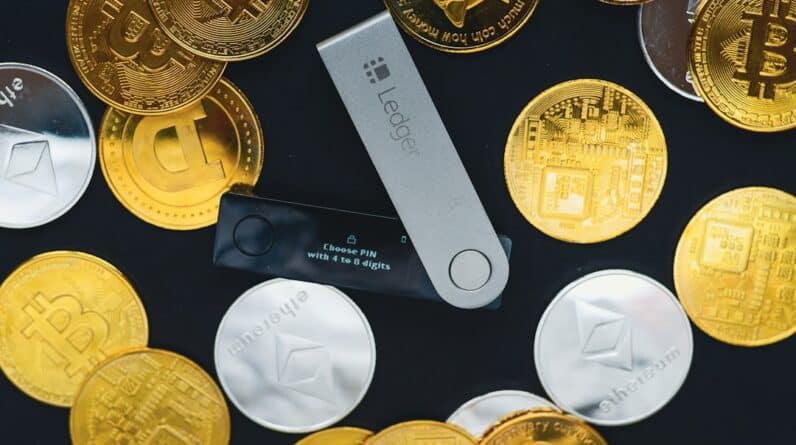
As you delve into the world of cryptocurrency, one of the most fascinating aspects you will encounter is crypto mining. This process is not merely a technical endeavor; it is the backbone of many cryptocurrencies, including Bitcoin. At its core, crypto mining involves validating transactions on a blockchain network and adding them to the public ledger.
Miners use powerful computers to solve complex mathematical problems, and in return, they are rewarded with newly minted coins. This dual function of transaction verification and coin generation makes mining an essential component of the cryptocurrency ecosystem. The allure of crypto mining lies not only in the potential financial rewards but also in the technology and community that surround it.
As you explore this realm, you will find a diverse group of individuals and organizations, from hobbyists running mining rigs in their basements to large-scale operations with warehouses full of specialized hardware. The evolution of mining has been rapid, driven by technological advancements and the increasing popularity of cryptocurrencies. Understanding the intricacies of this process will provide you with a deeper appreciation for the digital currencies that are reshaping our financial landscape.
Key Takeaways
- Crypto mining is the process of validating and adding transactions to the blockchain, and it requires significant computational power.
- Current challenges in crypto mining include high energy consumption, hardware costs, and regulatory uncertainty.
- Environmental concerns surrounding crypto mining have led to the development of sustainable solutions such as renewable energy usage and carbon offset programs.
- Alternative mining methods, such as proof of stake and cloud mining, are gaining popularity due to their lower energy consumption and hardware requirements.
- Government regulations have a significant impact on the crypto mining industry, with some countries banning or restricting mining activities.
Current Challenges in Crypto Mining
Despite its appeal, crypto mining is not without its challenges. One of the most pressing issues you may encounter is the escalating difficulty of mining itself. As more miners join the network, the algorithms adjust to maintain a consistent block generation time, making it increasingly difficult for individual miners to compete.
This has led to a concentration of mining power in the hands of a few large players, raising concerns about centralization and fairness within the ecosystem. If you are considering entering this space, you must be aware of these dynamics and how they can impact your potential profitability. Another significant challenge is the high cost associated with mining operations.
The initial investment in hardware can be substantial, especially if you aim to compete effectively. Additionally, ongoing expenses such as electricity and cooling systems can quickly add up. As you weigh your options, it’s crucial to conduct thorough research and consider whether the potential rewards justify these costs.
The volatility of cryptocurrency prices further complicates matters; a sudden drop in value can turn a profitable venture into a financial burden almost overnight.
Environmental Concerns and Sustainable Solutions

As you navigate the complexities of crypto mining, you will likely encounter growing concerns about its environmental impact. The energy consumption associated with mining operations has drawn significant scrutiny, particularly in light of global efforts to combat climate change. The process requires vast amounts of electricity, often sourced from fossil fuels, leading to a substantial carbon footprint.
This has sparked debates about the sustainability of cryptocurrencies and their long-term viability in an increasingly eco-conscious world. In response to these concerns, many in the industry are actively seeking sustainable solutions. You may come across initiatives aimed at utilizing renewable energy sources for mining operations, such as solar or wind power.
These alternatives not only reduce environmental impact but can also lead to cost savings in the long run. Additionally, some projects are exploring innovative technologies that enhance energy efficiency or even repurpose waste heat generated by mining rigs. As you consider your role in this evolving landscape, embracing sustainable practices could position you as a forward-thinking participant in the crypto community.
The Rise of Alternative Mining Methods
In recent years, alternative mining methods have gained traction as viable options for those looking to participate in the cryptocurrency space without the drawbacks associated with traditional mining. One such method is proof-of-stake (PoS), which allows participants to validate transactions based on the number of coins they hold rather than relying on computational power. This approach significantly reduces energy consumption and democratizes participation, making it more accessible for individuals who may not have the resources for extensive hardware setups.
You may also encounter hybrid models that combine elements of both proof-of-work (PoW) and proof-of-stake systems. These innovative approaches aim to strike a balance between security and efficiency while addressing some of the environmental concerns tied to traditional mining methods. As you explore these alternatives, consider how they align with your values and goals within the cryptocurrency ecosystem.
The rise of these methods reflects a broader trend toward inclusivity and sustainability, offering new pathways for engagement in this dynamic field.
Government Regulations and Impact on Crypto Mining
As you immerse yourself in crypto mining, it’s essential to stay informed about government regulations that can significantly impact your operations. Different countries have adopted varying stances on cryptocurrency and mining activities, ranging from outright bans to supportive frameworks that encourage innovation. In some regions, regulatory uncertainty can create challenges for miners, making it difficult to navigate legal requirements or secure necessary permits.
You may find that regulations can also influence market dynamics and profitability. For instance, countries with favorable energy policies may attract more miners, leading to increased competition and potentially driving down profits for those operating in less favorable jurisdictions. As you consider your involvement in crypto mining, it’s crucial to keep abreast of regulatory developments and assess how they may affect your strategy and long-term viability in this ever-evolving landscape.
The Role of Renewable Energy in Crypto Mining

The conversation around crypto mining is increasingly intertwined with discussions about renewable energy sources. As you explore this topic, you will discover that many miners are actively seeking ways to harness clean energy to power their operations. This shift not only addresses environmental concerns but also presents an opportunity for miners to reduce operational costs over time.
By tapping into renewable energy sources like solar or hydroelectric power, miners can mitigate their reliance on fossil fuels while contributing to a more sustainable future. Moreover, some regions are becoming hotspots for renewable energy-driven mining operations due to their abundant natural resources and favorable regulatory environments. If you are considering entering the mining space, researching locations with access to cheap renewable energy could provide a competitive edge.
As more miners adopt sustainable practices, the industry as a whole may shift toward greater environmental responsibility, paving the way for a more sustainable future for cryptocurrencies.
The Future of ASIC and GPU Mining
As you look ahead in the world of crypto mining, it’s important to consider the future of application-specific integrated circuits (ASICs) and graphics processing units (GPUs). ASICs have become synonymous with Bitcoin mining due to their unparalleled efficiency in solving complex algorithms. However, their dominance raises questions about decentralization and accessibility within the mining community.
If you are contemplating which hardware to invest in, understanding these dynamics will be crucial for making informed decisions. On the other hand, GPU mining remains popular among enthusiasts who mine altcoins or engage in gaming-related activities. While ASICs may offer higher hash rates for specific cryptocurrencies, GPUs provide versatility and can be used for various applications beyond mining.
As technology continues to evolve, you may witness innovations that blur the lines between these two approaches or even give rise to entirely new methods of mining altogether. Staying informed about advancements in hardware will be essential as you navigate this rapidly changing landscape.
Potential Innovations in Crypto Mining Technology
The future of crypto mining is ripe with potential innovations that could reshape how you engage with this space. One area garnering attention is the development of more energy-efficient hardware that minimizes environmental impact while maximizing performance. As manufacturers invest in research and development, you may see breakthroughs that allow miners to achieve higher hash rates with lower energy consumption.
Additionally, advancements in software solutions could enhance mining efficiency by optimizing resource allocation or improving algorithmic processes. You might also encounter emerging technologies such as artificial intelligence (AI) being integrated into mining operations to predict market trends or optimize hardware performance dynamically. As these innovations unfold, they will likely create new opportunities for miners while addressing some of the pressing challenges currently facing the industry.
In conclusion, as you explore the multifaceted world of crypto mining, it’s essential to remain adaptable and informed about ongoing developments within this dynamic field. From understanding current challenges and environmental concerns to embracing alternative methods and innovations, your journey through crypto mining will be shaped by both technological advancements and your own values as a participant in this evolving ecosystem.
FAQs
What is crypto mining?
Crypto mining is the process of validating and adding new transactions to a blockchain, as well as releasing new cryptocurrency coins into circulation. This is done through solving complex mathematical problems using computer hardware.
What is the future of crypto mining?
The future of crypto mining is likely to see continued advancements in technology and efficiency. As cryptocurrencies evolve, mining may become more specialized and energy-efficient, with a focus on sustainable practices.
What are the challenges facing crypto mining?
Challenges facing crypto mining include energy consumption, environmental impact, and the centralization of mining power. As the industry grows, there is also the potential for regulatory and legal challenges in different jurisdictions.
How is crypto mining evolving?
Crypto mining is evolving through the development of more efficient hardware, the use of renewable energy sources, and the exploration of alternative consensus mechanisms such as proof of stake. Additionally, there is a growing interest in decentralized and community-based mining initiatives.
What are the environmental concerns related to crypto mining?
The energy consumption of crypto mining has raised concerns about its environmental impact, particularly in regions where fossil fuels are the primary energy source. Efforts are being made to shift towards renewable energy and improve the overall sustainability of mining operations.