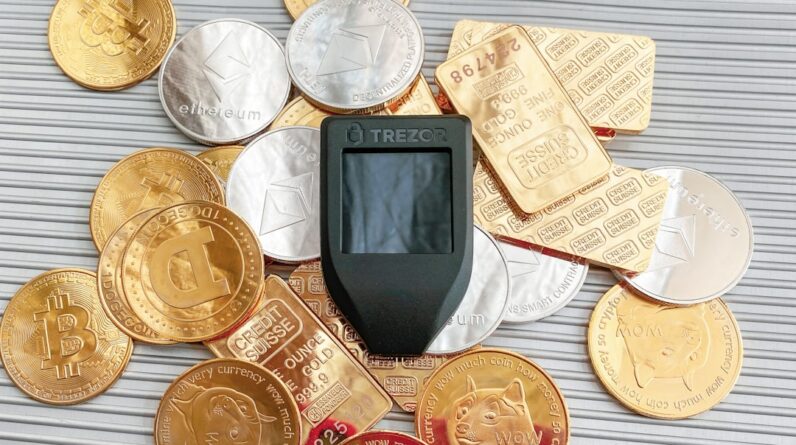
As you delve into the world of cryptocurrency, you may notice its growing presence in various sectors, and the automotive industry is no exception. Over the past few years, the integration of digital currencies into automotive transactions has gained momentum, driven by a desire for efficiency, transparency, and security. You might find it fascinating that major automotive manufacturers and dealerships are beginning to accept cryptocurrencies as a form of payment, signaling a shift in how vehicles are bought and sold.
This trend is not merely a passing fad; it reflects a broader acceptance of digital currencies in mainstream commerce. The rise of cryptocurrency in the automotive sector is also fueled by the increasing number of tech-savvy consumers who prefer using digital assets for their transactions. You may be aware that millennials and Gen Z are becoming significant players in the car-buying market, and their comfort with technology makes them more inclined to use cryptocurrencies.
As these generations prioritize convenience and speed, the automotive industry is adapting to meet their needs. This evolution is not just about payment methods; it represents a fundamental change in how businesses operate, paving the way for a more decentralized and innovative future.
Key Takeaways
- Cryptocurrency is gaining traction in the automotive industry, with more businesses accepting digital currencies for car purchases and transactions.
- Blockchain technology is revolutionizing automotive innovation by providing secure and transparent data management, supply chain tracking, and vehicle history verification.
- Smart contracts are streamlining automotive transactions by automating processes, reducing fraud, and increasing trust between buyers and sellers.
- Cryptocurrency adoption in car sales and purchases is on the rise, offering benefits such as lower transaction fees, faster cross-border payments, and increased financial inclusivity.
- Decentralized Finance (DeFi) is reshaping auto financing by providing alternative lending options, lower interest rates, and greater accessibility to financial services for car buyers.
Blockchain Technology and its Impact on Automotive Innovation
Tracking Vehicle History
By utilizing blockchain, you can track a vehicle’s history from production to sale, ensuring that all parties involved have access to accurate information regarding ownership, maintenance records, and accident history.
Streamlining Supply Chain Management
The implementation of blockchain technology can also streamline supply chain management within the automotive sector. Manufacturers can use blockchain to monitor parts and materials throughout the production process, reducing the risk of counterfeit parts entering the market and enhancing overall efficiency.
Fostering Collaboration and Innovation
As you explore this technology further, you’ll discover that its impact on innovation goes beyond mere tracking; it fosters collaboration among stakeholders, enabling them to share data securely and efficiently.
The Role of Smart Contracts in Automotive Transactions
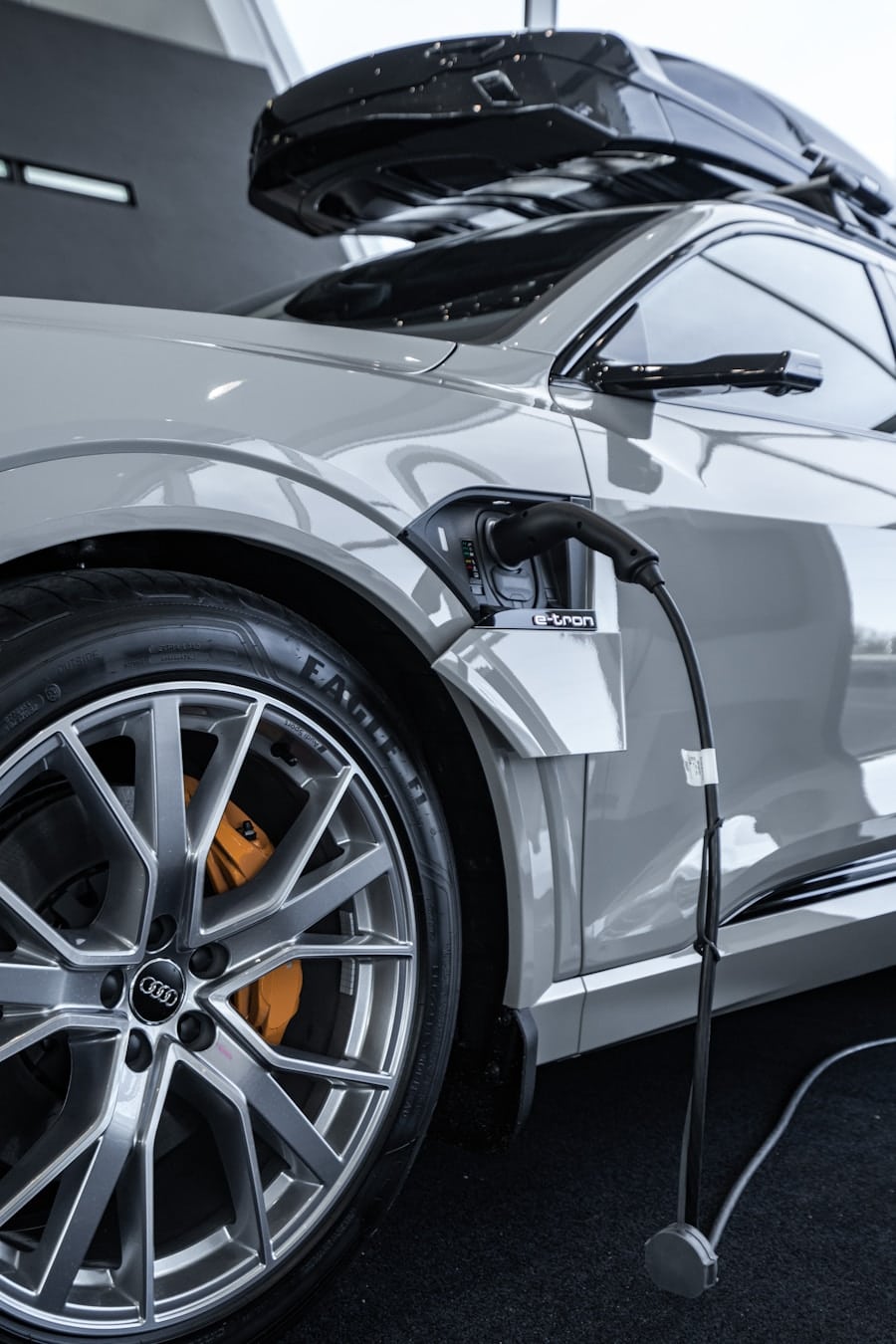
As you navigate the complexities of automotive transactions, you may come across the concept of smart contracts. These self-executing contracts are built on blockchain technology and automatically enforce the terms agreed upon by both parties. In the context of car sales, smart contracts can simplify the buying process by eliminating the need for intermediaries such as banks or legal representatives.
This not only speeds up transactions but also reduces costs associated with traditional methods. Imagine purchasing a vehicle where all necessary documentation is automatically generated and verified through a smart contract. You would no longer have to worry about paperwork errors or delays in processing.
Instead, the entire transaction could be completed seamlessly and securely. Additionally, smart contracts can facilitate ongoing agreements related to vehicle ownership, such as insurance or maintenance services, ensuring that all parties fulfill their obligations without manual intervention.
Cryptocurrency Adoption in Car Sales and Purchases
As you explore the landscape of car sales and purchases, you’ll notice an increasing number of dealerships embracing cryptocurrency as a legitimate payment option. This shift is not just about keeping up with trends; it reflects a strategic move to attract a new demographic of buyers who prefer using digital currencies. You might be surprised to learn that some luxury car brands have already begun accepting Bitcoin and other cryptocurrencies for high-end vehicle purchases, showcasing their commitment to innovation and customer satisfaction.
The adoption of cryptocurrency in car sales also presents unique advantages for both buyers and sellers. For you as a buyer, using cryptocurrency can provide a level of anonymity and security that traditional payment methods may lack. On the seller’s side, accepting digital currencies can open up new revenue streams and attract a broader customer base.
As you consider these factors, it’s clear that cryptocurrency is not just a passing trend; it’s becoming an integral part of the automotive sales landscape.
Decentralized Finance (DeFi) and its Influence on Auto Financing
In your exploration of automotive financing options, you may encounter the concept of decentralized finance (DeFi). This innovative financial ecosystem leverages blockchain technology to provide financial services without traditional intermediaries like banks or credit unions. DeFi has the potential to revolutionize auto financing by offering more accessible and flexible lending options for consumers like you.
Imagine being able to secure an auto loan through a decentralized platform that evaluates your creditworthiness based on blockchain data rather than traditional credit scores. This could lead to more equitable lending practices, allowing individuals with limited credit histories to access financing for their vehicles. Additionally, DeFi platforms often offer lower interest rates and faster approval times compared to conventional lenders.
As you consider your options for financing a vehicle, DeFi could provide an attractive alternative that aligns with your preferences for transparency and efficiency.
NFTs and the Future of Collectible Cars

Unique Digital Assets in the Automotive Sector
As you explore the intersection of cryptocurrency and the automotive industry, you may come across non-fungible tokens (NFTs). These unique digital assets have gained popularity in various fields, including art and entertainment, but their application in the automotive sector is particularly intriguing. NFTs can represent ownership of collectible cars or limited-edition models, providing a new way for enthusiasts like you to engage with your passion for automobiles.
Verifying Authenticity and Ownership
Imagine owning an NFT that certifies your ownership of a rare classic car or a limited-edition supercar. This digital certificate not only verifies authenticity but also allows for easy transfer of ownership without the need for cumbersome paperwork. As you explore this concept further, you’ll realize that NFTs could reshape how collectors buy, sell, and trade vehicles in the future.
Adding Security and Value through Blockchain Technology
The ability to prove ownership through blockchain technology adds an extra layer of security and value to collectible cars.
Challenges and Opportunities of Integrating Crypto in the Automotive Sector
While the integration of cryptocurrency into the automotive industry presents numerous opportunities, it also comes with its share of challenges. As you consider this evolving landscape, you may recognize that regulatory hurdles pose significant obstacles for businesses looking to adopt digital currencies. Governments around the world are still grappling with how to regulate cryptocurrencies effectively, which can create uncertainty for dealerships and manufacturers alike.
Additionally, there are concerns regarding volatility in cryptocurrency markets. As a consumer or dealer, you might be hesitant to engage in transactions involving assets that can fluctuate dramatically in value within short periods. However, these challenges also present opportunities for innovation.
Companies that can navigate regulatory complexities and develop stablecoin solutions—cryptocurrencies pegged to stable assets—could position themselves as leaders in this emerging market.
The Future of Crypto and the Automotive Industry: What to Expect
Looking ahead, you may wonder what the future holds for cryptocurrency in the automotive industry. As technology continues to evolve and consumer preferences shift, it’s likely that digital currencies will become increasingly integrated into automotive transactions. You might expect more dealerships to adopt cryptocurrency payment options as they recognize the demand from tech-savvy buyers.
Moreover, advancements in blockchain technology could lead to even greater efficiencies in supply chain management and vehicle tracking. As you keep an eye on these developments, you’ll likely see new business models emerge that leverage decentralized finance and smart contracts to create seamless experiences for consumers like yourself. The future promises exciting possibilities as the automotive industry embraces innovation driven by cryptocurrency and blockchain technology.
In conclusion, as you explore the intersection of cryptocurrency and the automotive industry, it’s clear that this dynamic relationship is poised for growth. From enhancing transaction efficiency through smart contracts to revolutionizing financing options with DeFi, the potential is vast. While challenges remain, the opportunities for innovation are equally compelling.
As you navigate this evolving landscape, you’ll find yourself at the forefront of a transformative era in automotive commerce.
FAQs
What is the relationship between crypto and the automotive industry?
The relationship between crypto and the automotive industry involves the integration of blockchain technology and digital currencies into various aspects of the automotive sector, including supply chain management, vehicle data security, and payment systems.
How is crypto driving innovation in the automotive industry?
Crypto is driving innovation in the automotive industry by enabling secure and transparent transactions, facilitating the development of autonomous vehicle technology, and creating new business models for mobility services.
What are some examples of crypto applications in the automotive industry?
Examples of crypto applications in the automotive industry include blockchain-based vehicle history reports, digital car keys stored on a blockchain, and the use of cryptocurrencies for vehicle purchases and payments.
What are the potential benefits of integrating crypto into the automotive industry?
The potential benefits of integrating crypto into the automotive industry include increased transparency and traceability in the supply chain, enhanced vehicle data security, and the creation of new revenue streams through tokenized mobility services.
What are the challenges of implementing crypto in the automotive industry?
Challenges of implementing crypto in the automotive industry include regulatory uncertainty, interoperability issues with existing systems, and concerns about the environmental impact of cryptocurrency mining.