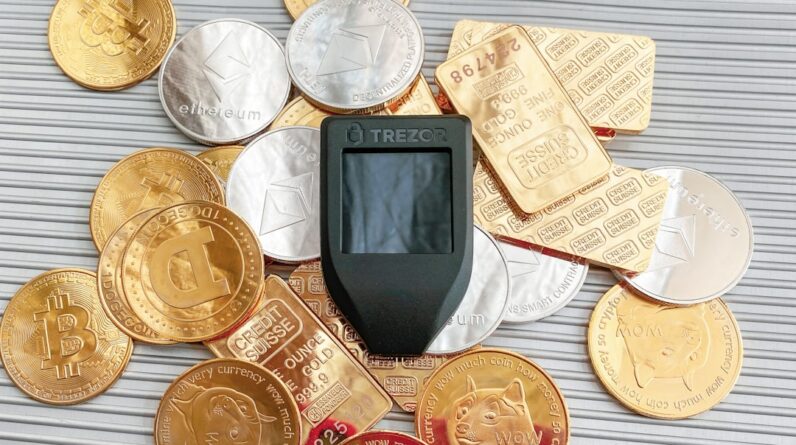
What if you had the power to control the distribution of your art or music, ensuring that you are properly recognized and compensated for your creativity? The rise of cryptocurrencies and blockchain technology brings a multitude of opportunities and challenges in the art, entertainment, and creative industries. In recent years, you may have heard whispers of NFTs, digital ownership rights, and the potential for revolutionizing how artists and creators interact with their audiences and markets. But what does all this mean for you? Let’s break it down.
Understanding Cryptocurrencies and Blockchain Technology
Cryptocurrencies, like Bitcoin and Ethereum, are decentralized digital currencies that allow you to conduct transactions without the need for a central authority, such as a bank. They exist on a technology known as blockchain, which is a distributed ledger that records all transactions securely and transparently.
What is Blockchain?
Imagine a digital ledger that not only records transactions but also ensures that those transactions are secure and cannot be altered. Blockchain serves as that ledger. Each transaction is grouped into blocks, which are then linked together in chronological order, forming a chain. This decentralized nature removes the need for intermediaries and enhances security. For you as an artist or content creator, this framework could provide new avenues for managing your work.
The Emergence of NFTs
NFTs, or non-fungible tokens, are unique digital assets secured by blockchain technology. Unlike cryptocurrencies, which are interchangeable (one Bitcoin is equal to another Bitcoin), each NFT is distinct and carries specific information about ownership and provenance. In practical terms, NFTs allow you to tokenize your art, music, or any digital creation, providing a way to trade it on digital marketplaces.

Benefits of Using Cryptocurrencies and Blockchain Technology
As you consider how these technologies could impact the creative world, it’s essential to look at the benefits they bring to the table.
Enhanced Ownership and Provenance
One of the most exciting benefits of blockchain technology is its ability to verify ownership. Through NFTs, you can prove that you are the original creator of a piece of art or music. This is particularly valuable in an industry often plagued by copyright theft. With clear provenance recorded on the blockchain, you can confidently demonstrate your rights to your work.
New Revenue Streams
The traditional models of earning income in creative fields can be restrictive. With cryptocurrencies and NFTs, you have the opportunity to create entirely new revenue streams. For instance, you can sell limited editions of your artwork directly to collectors without needing a gallery or an intermediary. Additionally, smart contracts—self-executing contracts with the terms directly written into code—can ensure that you receive royalties every time your work is resold.
| Revenue Stream | Traditional Model | Cryptocurrency/Blockhain Model |
|---|---|---|
| Selling Artwork | Gallery Sales | Direct Sales via NFTs |
| Music Distribution | Physical Sales | Streaming via crypto platforms |
| Royalties | Manual tracking | Automatic via smart contracts |
Global Reach and Accessibility
Cryptocurrencies are borderless. This means you can reach a global audience without the limitations imposed by traditional financial systems. Whether your fanbase is in the U.S., Europe, or Asia, you can sell your work directly and transact in a decentralized manner. Additionally, the use of digital wallets can eliminate the barriers many face in accessing banking services, allowing more people to engage in the creative economy.
Community Engagement and Support
When you use blockchain technology, you open the door to a community-driven approach to funding and support. Platforms like Patreon have gained traction, allowing fans to support creators. Imagine expanding that idea with cryptocurrencies, where fans can directly support your work and even become stakeholders in your success through token ownership.

Challenges of Using Cryptocurrencies and Blockchain Technology
While the benefits are enticing, it’s important to acknowledge the challenges that come along with integrating cryptocurrencies and blockchain into the creative industries.
Market Volatility
Cryptocurrencies are known for their price fluctuations. This volatility can be a double-edged sword. On one hand, your NFT could multiply in value overnight, but on the other, it may also plummet, affecting your potential earnings. As a creator, you must consider whether you are willing to engage in a market that can be unpredictable.
Environmental Concerns
Blockchain technology, especially when associated with proof-of-work cryptocurrencies like Bitcoin, has faced criticism for its environmental impact. The energy consumption required for mining can be significant, raising questions about sustainability in creative practices. You may need to weigh the benefits of using such technologies against their ecological implications.
Legal and Regulatory Challenges
The world of cryptocurrencies and NFTs is still evolving, and so is the legal landscape surrounding it. Copyright laws, tax implications, and regulations regarding cryptocurrency transactions can be complex and confusing. As a creator, you must stay informed and potentially seek legal advice to navigate these challenges successfully.
Technical Barriers
Not everyone has a deep understanding of how cryptocurrencies and blockchain work, and that can create barriers to entry for many artists and creators. Educating yourself is key, but you might also encounter audiences who are hesitant to embrace these technologies due to a lack of familiarity.

The Role of NFTs in Creative Industries
NFTs may be the most talked-about aspect of blockchain in the art and entertainment industry lately. But how can you leverage them to your advantage?
Empowering Artists
NFTs provide a platform for you to take control of your art and its distribution. In many cases, selling an NFT can bypass traditional means of distribution, allowing you to connect directly with collectors. You can decide on your terms, from pricing to the rights retained over your work.
Collectibles and Fan Engagement
In the entertainment sector, NFTs are being utilized for fan engagement, offering exclusive content or experiences. Imagine creating NFT collectibles for your music, allowing fans to own snippets of your unreleased tracks or behind-the-scenes content. This not only creates additional revenue but also strengthens fan loyalty.
Representation of Diverse Creators
Blockchain’s decentralized nature can provide a voice for underrepresented creators in the art and entertainment industries. By allowing creators from diverse backgrounds to access global markets, NFTs can help break down barriers that have traditionally limited opportunities for many.

Digital Ownership Rights and Copyright Considerations
Navigating copyright laws in this new digital landscape can be challenging. As you embrace NFTs and blockchain technology, understanding digital ownership rights becomes crucial.
Clarifying Ownership with Smart Contracts
Smart contracts not only facilitate transactions but can also outline the ownership rights associated with your digital art. You can specify how your work can be used, who gets royalties, and under what conditions it can be resold. This clarity ensures that you, as the artist, maintain control over your creative output.
The Role of Licenses
To effectively navigate copyright issues, you might consider using licenses alongside NFTs. Creative Commons licenses, for example, can allow you to specify how others can use your work while still retaining ownership. Coupled with the blockchain, this can provide a robust framework for protecting your rights.
The Future of Copyright Law
As cryptocurrencies and NFTs gain traction, copyright laws may need to evolve to accommodate these technologies. Keeping an eye on legislative trends can help you stay ahead of the curve and ensure that your rights are protected in this changing landscape.

Conclusion: Is the Future Bright for Creators?
While the integration of cryptocurrencies and blockchain technology within the art, entertainment, and creative industries presents both exciting opportunities and significant challenges, the potential for this technology to reshape how you engage with your work and your audience is undeniable.
Through enhanced ownership, new revenue streams, and a global marketplace, the landscape for creators is changing. However, it’s vital to stay informed about the challenges, from market volatility to legal complexities, to make the most of what this brave new world has to offer.
As you explore the possibilities, keep an open mind, stay educated, and be ready to adapt to an ever-evolving landscape. The choice ultimately lies with you: embrace the change and harness the power of blockchain and cryptocurrencies in your creative journey.