Have you ever wondered if cryptocurrency could eventually replace traditional finance? The rapid rise of digital currencies has sparked numerous conversations and debates around the globe. You may find yourself asking whether crypto is just a passing trend or if it has the potential to revolutionize how we think about and interact with money.
Understanding Cryptocurrency
Cryptocurrency is a digital or virtual form of currency that employs cryptography for security. Unlike traditional currencies issued by governments (also known as fiat money), cryptocurrencies operate on decentralized networks based on blockchain technology. But what does this mean for you as an everyday user or investor?
What Is Blockchain Technology?
At its core, blockchain is a distributed ledger that records all transactions across a network of computers. This system allows for transparency and security, as it is nearly impossible to alter the transaction history once it has been recorded. You could think of it as a digital notebook that everyone can see but no one can erase.
Imagine being able to track every penny you spend, who you send it to, and all the transactions in between. This level of detail makes fraud incredibly difficult and ensures that everyone adheres to the same rules.
The Role of Bitcoin
Bitcoin, created in 2009, is the first and most well-known cryptocurrency. It served as the prototype for many other digital currencies and was designed to function as both a medium of exchange and a store of value. You might be familiar with the excitement that surrounded Bitcoin when its price skyrocketed and when stories of people making millions circulated.
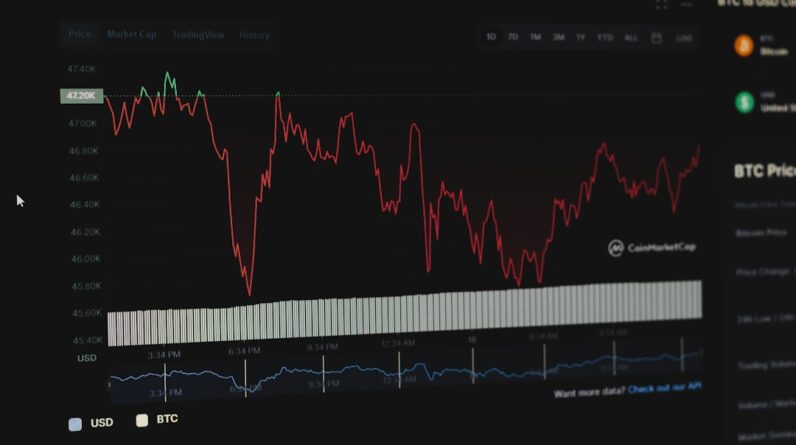
Bitcoin’s blockchain allows it to operate independently from traditional banks. However, it is essential to keep in mind that it also faces challenges, such as price volatility and regulatory scrutiny, which can be intimidating if you’re considering investing or using it for transactions.
The Rise of Decentralized Finance (DeFi)
As you explore the landscape of cryptocurrency, you might encounter a term called decentralized finance (DeFi). This emerging financial technology aims to recreate and enhance traditional financial systems, such as banking, lending, and trading, using blockchain technology. What does that mean for you?
Breaking Down DeFi
DeFi platforms operate without intermediaries like banks, offering services directly to users. This guarantees that the power remains in your hands and reduces costs associated with traditional financial institutions. Imagine being able to lend or borrow money without needing a bank’s approval or incurring hefty fees.
In the world of DeFi, smart contracts are key players. These self-executing contracts automatically enforce the terms of an agreement when pre-defined conditions are met. This automation can cut down on human error and increase the efficiency of transactions.
Benefits and Challenges of DeFi
While DeFi presents exciting possibilities, it also comes with its own set of risks. Here are some benefits and challenges of DeFi:
| Benefits | Challenges |
|---|---|
| Lower transaction fees | Smart contract vulnerabilities |
| Increased access to financial services | Regulatory uncertainty |
| Transparency and security | Price volatility |
| Control over your assets | Complexity of platforms |
Understanding both sides of the coin (pun intended) will help you navigate the DeFi landscape more effectively.

Traditional Finance vs. Crypto
It’s essential to compare traditional finance with cryptocurrency to grasp how the two differ. Traditional finance, which includes banks, credit card companies, and stock exchanges, operates as a centralized system. You might see familiar faces in your bank, and you know how to access your funds through established channels.
Centralization in Traditional Finance
In a traditional financial system, banks and institutions act as intermediaries. When you deposit money or take out a loan, these institutions control the process. While this can offer a sense of security, it also puts your money and financial independence into someone else’s hands.
Transparency and Control in Crypto
Cryptocurrency offers increased transparency and control for users. All transactions are recorded on a public ledger, and you control your digital wallet without the need for a middleman. While this offers new freedoms, it comes with the responsibility of making informed decisions about your assets.
The Impact of Regulation on Finance
Regulation plays a significant role in how both traditional finance and cryptocurrencies operate. Regulatory bodies, such as the SEC in the United States, oversee financial markets to protect consumers and maintain order.
The Regulatory Landscape for Crypto
The regulatory environment surrounding cryptocurrency is evolving. As governments and financial institutions recognize the potential of digital currencies, they are also raising concerns about fraud, manipulation, and tax evasion. For you, this means staying updated on laws that could affect your investments or transactions.
Some countries are fully embracing crypto, while others are hesitant or outright banning it. Understanding how regulations affect the crypto space can elevate your awareness and inform your decisions.

Real-World Applications of Cryptocurrency
While the speculative aspects of cryptocurrency often steal the spotlight, it’s vital to recognize its practical applications. Many businesses and individuals are beginning to incorporate crypto into their daily lives, and this trend could signal a crucial shift in how we handle money.
Use Cases for Cryptocurrency
-
Remittances: Cryptocurrency allows for faster and cheaper international transfers, which can significantly benefit individuals sending money home to family members.
-
Microtransactions: In the digital age, small transactions, such as tipping content creators or paying for subscriptions, become more accessible through crypto, bypassing high fees associated with traditional payment processors.
-
Inclusion of the Unbanked: Cryptocurrency can give people who lack access to traditional banking systems an alternative method to save and transact. This is especially significant in developing regions where banks may be scarce.
-
NFTs (Non-Fungible Tokens): These unique digital assets are changing the way people buy, sell, and trade art, collectibles, and more. By offering proof of ownership through blockchain, NFTs allow artists and creators to monetize their work in novel ways.
The Future of Finance
As you consider the implications of the rise of cryptocurrency on traditional finance, it’s crucial to envision what the future may hold. With the continued development of technology, the landscape of finance is likely to change dramatically.
Hybrid Models: The Blending of TradFi and DeFi
One potential pathway is the development of hybrid systems that combine the benefits of both traditional finance and decentralized finance. You could see traditional banks adopting blockchain technology to improve efficiency while also offering DeFi-style products to customers.
Evolution of Financial Services
For you as a consumer, this evolution in financial services means greater choice, lower fees, and potentially more personalized offerings. Imagine being able to pick and choose services that align with your preferences and values.

Conclusion: Is Crypto the Future of Finance?
As you ponder whether cryptocurrency can make traditional finance obsolete, it’s important to recognize that the evolution of finance is ongoing. Rather than replacing traditional systems entirely, it may lead to a new paradigm where both coexist, providing you with more options and flexibility.
You can stay informed and make decisions aligned with your financial goals, whether that involves integrating cryptocurrency into your life, sticking with traditional finance, or exploring a mix of both. The conversation about the future of money is only just beginning, and your participation is vital in shaping the landscape.
Embracing this financial revolution offers both opportunities for growth and the need for caution. As you navigate this exciting world of digital currencies and traditional finance, staying well-informed and adaptable will be your greatest assets.