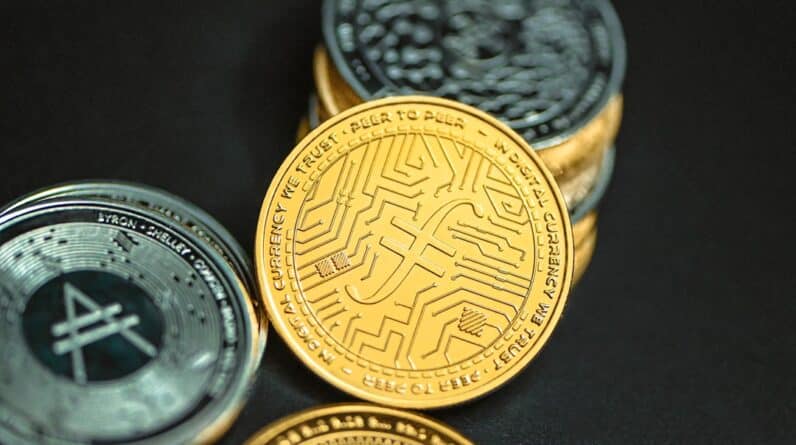
In recent years, the world has witnessed a remarkable transformation in the way we perceive and utilize money. Digital currency has emerged as a revolutionary force, reshaping financial landscapes and redefining traditional concepts of value. As you delve into this fascinating realm, you will discover that digital currency encompasses a wide array of forms, each with its unique characteristics and applications.
From cryptocurrencies like Bitcoin to various tokens used in decentralized applications, understanding the nuances of digital currency is essential for navigating this evolving financial ecosystem. The rise of digital currency is not merely a trend; it represents a fundamental shift in how transactions are conducted and how value is stored. With the advent of blockchain technology, the foundation of many digital currencies, you are witnessing a new era of transparency, security, and decentralization.
This article aims to provide you with a comprehensive understanding of digital currency, focusing on the distinctions between tokens and coins, their characteristics, use cases, and the regulatory landscape that governs them. By the end of this exploration, you will be better equipped to make informed decisions in this dynamic financial environment.
Key Takeaways
- Digital currency is a form of currency that exists only in electronic form, and can be used for online transactions.
- Tokens are digital assets that are created and distributed through an initial coin offering (ICO) and can represent a wide range of assets or utilities.
- Characteristics of tokens include programmability, interoperability, and the ability to represent ownership or access rights.
- Coins, on the other hand, are digital currencies that operate on their own blockchain and are used primarily as a medium of exchange.
- Use cases for tokens include crowdfunding, decentralized finance (DeFi), and digital identity, while coins are primarily used for payments, remittances, and store of value.
Understanding Tokens and Coins
To grasp the intricacies of digital currency, it is crucial to differentiate between tokens and coins. Coins are typically native to their own blockchain and serve as a form of digital money. For instance, Bitcoin operates on its own blockchain and is primarily used as a medium of exchange or a store of value.
When you think of coins, envision them as the digital equivalent of traditional currencies, designed for transactions and value transfer. On the other hand, tokens are built on existing blockchains and can represent a variety of assets or utilities. They often serve specific purposes within decentralized applications (dApps) or ecosystems.
For example, Ethereum is a blockchain that allows developers to create tokens that can represent anything from voting rights to access to services. As you explore the world of digital currency, understanding these distinctions will help you navigate the diverse landscape of cryptocurrencies and their applications.
Characteristics of Tokens
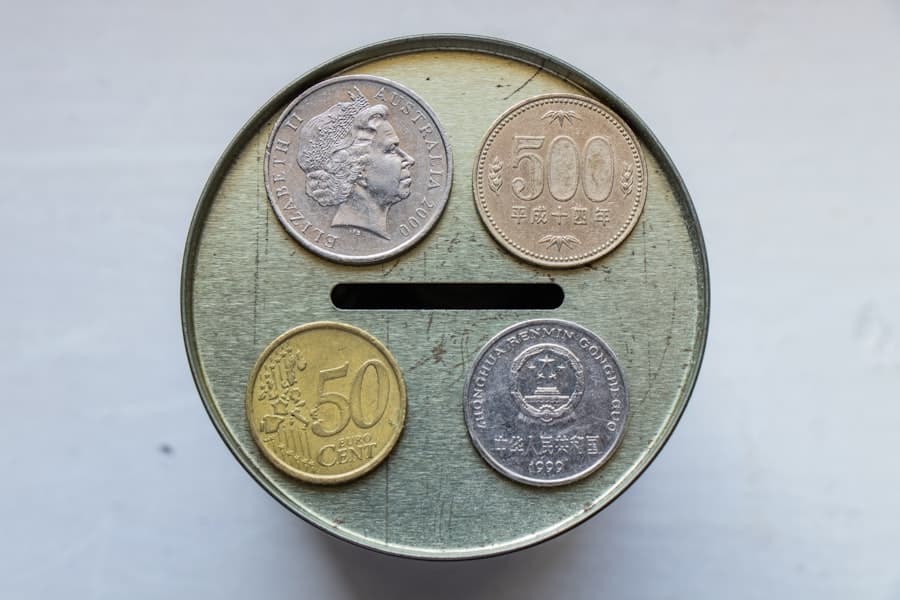
Tokens possess unique characteristics that set them apart from coins. One of the most notable features is their versatility. Tokens can represent a wide range of assets, including real estate, art, or even loyalty points in a rewards program.
This flexibility allows developers to create innovative solutions tailored to specific needs within various industries. As you consider the potential of tokens, think about how they can facilitate new business models and enhance user experiences. Another defining characteristic of tokens is their reliance on smart contracts.
These self-executing contracts are programmed to automatically enforce agreements when certain conditions are met. This feature not only enhances security but also reduces the need for intermediaries in transactions. As you explore different tokens, you will find that many projects leverage smart contracts to create decentralized finance (DeFi) applications, enabling users to lend, borrow, and trade assets without traditional banking systems.
Characteristics of Coins
Coins, while simpler in concept than tokens, also possess distinct characteristics that make them valuable in the digital currency landscape. One primary feature is their role as a medium of exchange. Coins like Bitcoin and Litecoin are designed for peer-to-peer transactions, allowing users to send and receive value without relying on centralized authorities.
This decentralization is a key selling point for many users who seek financial autonomy and privacy. Additionally, coins often have a capped supply or predetermined issuance schedule, which can influence their value over time. For instance, Bitcoin has a maximum supply of 21 million coins, creating scarcity that can drive demand.
As you consider investing in coins, understanding their supply dynamics and market behavior will be crucial in making informed decisions about your digital currency portfolio.
Use Cases for Tokens
The use cases for tokens are vast and varied, reflecting their adaptability across different sectors. One prominent application is in fundraising through Initial Coin Offerings (ICOs) or Token Generation Events (TGEs). Startups can issue tokens to raise capital for their projects while offering investors potential returns based on the project’s success.
This method has democratized access to investment opportunities, allowing individuals to participate in ventures that were previously limited to accredited investors. Moreover, tokens play a significant role in decentralized finance (DeFi), where they enable users to engage in lending, borrowing, and trading without intermediaries. By utilizing tokens within DeFi platforms, you can earn interest on your assets or access liquidity without relying on traditional banks.
This shift towards decentralized financial systems empowers individuals by providing greater control over their finances and reducing reliance on centralized institutions.
Use Cases for Coins
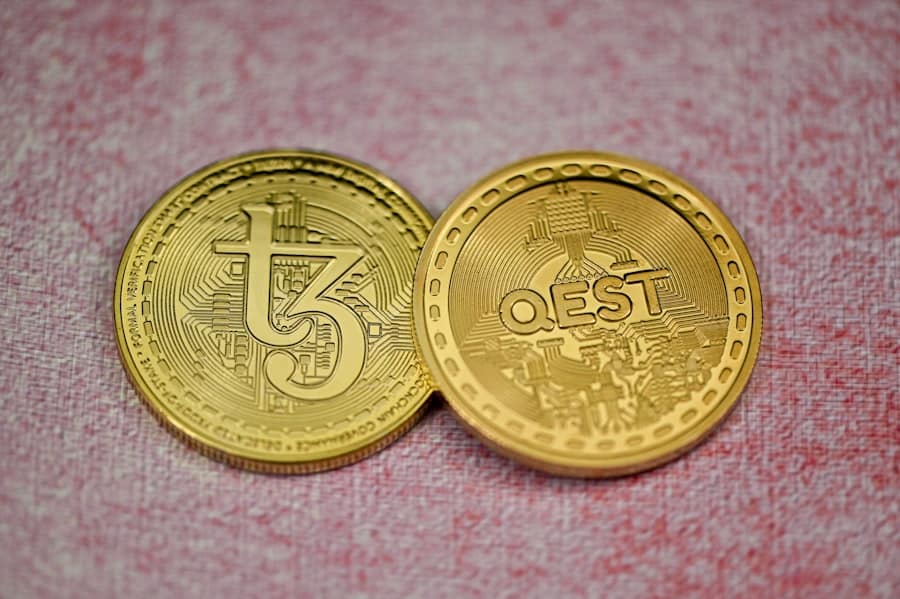
Medium of Exchange
One of the most significant applications of coins is as a medium of exchange for goods and services. Many businesses now accept cryptocurrencies like Bitcoin as payment, allowing customers to transact directly without intermediaries. This trend not only enhances transaction speed but also reduces fees associated with traditional payment methods.
Store of Value
Coins can also serve as a store of value, similar to gold or other precious metals. As you consider your financial strategy, you may find that holding coins like Bitcoin can act as a hedge against inflation or economic instability.
Digital Gold
The perception of cryptocurrencies as “digital gold” has gained traction among investors seeking alternative assets that can withstand market fluctuations.
Regulatory Considerations for Tokens and Coins
As digital currencies continue to gain popularity, regulatory considerations have become increasingly important for both tokens and coins. Governments around the world are grappling with how to classify and regulate these assets to protect consumers while fostering innovation. You may find that regulations vary significantly from one jurisdiction to another, impacting how tokens and coins are issued, traded, and taxed.
For tokens, regulatory scrutiny often focuses on whether they qualify as securities under existing laws. If a token is deemed a security, it may be subject to stricter regulations regarding disclosure and investor protection. On the other hand, coins are generally treated as commodities or currencies, which can simplify their regulatory landscape but still requires compliance with anti-money laundering (AML) and know-your-customer (KYC) regulations.
As you navigate the world of digital currency, staying informed about regulatory developments will be essential for ensuring compliance and making sound investment decisions.
Choosing Between Tokens and Coins
In conclusion, the choice between tokens and coins ultimately depends on your goals and preferences within the digital currency space. If you are looking for a medium of exchange or a store of value, coins may be more suitable for your needs. Their established use cases as currencies make them appealing for everyday transactions and long-term investment strategies.
Conversely, if you are interested in exploring innovative applications or participating in decentralized ecosystems, tokens may offer exciting opportunities. Their versatility allows for unique use cases that can enhance various industries and create new business models. As you weigh your options, consider your risk tolerance, investment horizon, and the specific features that resonate with your financial objectives.
By understanding the distinctions between tokens and coins, along with their respective characteristics and use cases, you will be better equipped to navigate the ever-evolving landscape of digital currency. Whether you choose to invest in coins or explore the potential of tokens, staying informed about market trends and regulatory developments will empower you to make informed decisions in this dynamic financial environment.
FAQs
What is a token in digital currency?
A token in digital currency is a unit of value issued by a project or company. It can represent a variety of assets or utilities, and is typically built on an existing blockchain.
What is a coin in digital currency?
A coin in digital currency is a cryptocurrency that operates independently on its own blockchain. It is used as a medium of exchange and can be used to store value.
What is the main difference between a token and a coin?
The main difference between a token and a coin is that a token is built on an existing blockchain and represents an asset or utility, while a coin operates independently on its own blockchain and is used as a medium of exchange.
Can tokens and coins be used interchangeably?
No, tokens and coins cannot be used interchangeably. They have different purposes and are used in different ways within the digital currency ecosystem.
How are tokens and coins created?
Tokens are created through a process called tokenization, where a project or company issues tokens on an existing blockchain. Coins are typically created through a process called mining, where new coins are generated through the validation of transactions on a blockchain.