In the rapidly evolving landscape of digital finance, the terms “tokens” and “coins” often surface in discussions about cryptocurrencies and blockchain technology. As you delve into this world, it’s essential to grasp the fundamental differences between these two entities. While both serve as forms of digital currency, they have distinct characteristics, uses, and implications for investors and users alike.
Understanding these differences can empower you to make informed decisions, whether you are looking to invest, trade, or simply navigate the digital economy. The rise of cryptocurrencies has sparked a revolution in how we perceive money and value. Coins and tokens are at the forefront of this transformation, each playing a unique role in the ecosystem.
Coins typically refer to digital currencies that operate on their own blockchain, while tokens are built on existing blockchains and often represent a specific utility or asset. As you explore this article, you will gain insights into the definitions, characteristics, use cases, and regulatory considerations surrounding tokens and coins, equipping you with the knowledge to engage confidently in this dynamic field.
Key Takeaways
- Tokens and coins are digital assets used in blockchain technology and cryptocurrency transactions.
- Tokens are a representation of a particular asset or utility, while coins are a form of digital currency.
- Tokens can have various use cases such as access to a platform or representing ownership, while coins are primarily used for transactions and as a store of value.
- Examples of tokens include utility tokens for accessing a specific service, while examples of coins include Bitcoin and Ethereum.
- Regulatory differences between tokens and coins can impact their use and trading, making it important for investors to understand the distinction.
Definition and Characteristics of Tokens
Types of Tokens
You might encounter various types of tokens, including utility tokens, security tokens, and non-fungible tokens (NFTs), each serving different purposes within the digital ecosystem. One of the defining characteristics of tokens is their ability to represent a wide range of assets or utilities. For instance, utility tokens grant holders access to specific services or products within a platform, while security tokens represent ownership in an underlying asset or company.
Applications of Tokens
This versatility makes tokens appealing for various applications, from fundraising through Initial Coin Offerings (ICOs) to enabling decentralized finance (DeFi) solutions.
Understanding Tokens in the Context of Blockchain Technology
As you navigate the world of tokens, understanding their diverse functionalities will help you appreciate their significance in the broader context of blockchain technology.
Definition and Characteristics of Coins
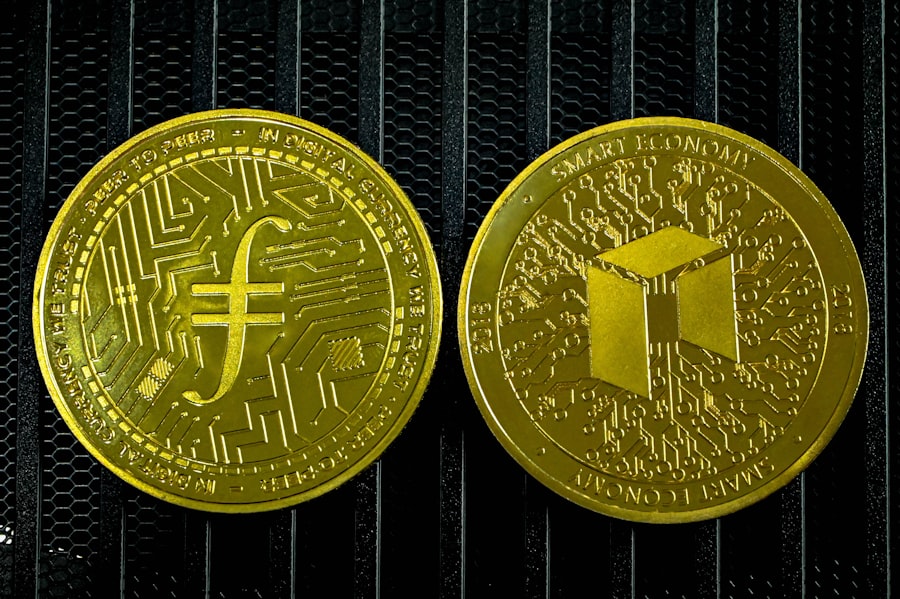
Coins, on the other hand, are digital currencies that operate independently on their own blockchains. Bitcoin, the first and most well-known cryptocurrency, is a prime example of a coin. Coins are primarily designed to function as a medium of exchange, store of value, or unit of account.
When you think of coins, envision them as the digital equivalent of traditional currencies like the dollar or euro, albeit with unique features that set them apart from fiat money. A key characteristic of coins is their inherent value derived from their scarcity and the consensus mechanisms that secure their networks. For instance, Bitcoin employs a proof-of-work mechanism that requires significant computational power to validate transactions and create new coins.
This process not only ensures the integrity of the network but also contributes to Bitcoin’s value proposition as a deflationary asset. As you explore various coins, you’ll find that each has its own unique attributes, such as transaction speed, scalability, and governance models, which can influence your investment decisions.
Use Cases and Examples of Tokens
Tokens have gained immense popularity due to their versatility and wide-ranging applications across various sectors. One prominent use case is in the realm of decentralized finance (DeFi), where tokens facilitate lending, borrowing, and trading without intermediaries. For example, platforms like Aave and Compound utilize tokens to represent collateral or governance rights within their ecosystems.
By participating in these platforms, you can earn interest on your crypto holdings or engage in yield farming strategies. Another notable application of tokens is in the realm of non-fungible tokens (NFTs). These unique digital assets have taken the art and entertainment industries by storm, allowing creators to tokenize their work and sell it directly to consumers.
Platforms like OpenSea and Rarible enable artists to mint NFTs representing their artwork, music, or collectibles. As you explore this space, consider how tokens can empower creators and redefine ownership in the digital age.
Use Cases and Examples of Coins
Coins primarily serve as mediums of exchange and storehouses of value within their respective ecosystems. Bitcoin remains the most recognized example, often referred to as “digital gold” due to its limited supply and deflationary nature. You might use Bitcoin for peer-to-peer transactions or as a hedge against inflation in uncertain economic times.
Its widespread acceptance among merchants and growing institutional interest further solidify its position as a leading cryptocurrency. Other coins like Ethereum have expanded beyond mere currency functions by enabling smart contracts and decentralized applications (dApps). Ethereum’s blockchain allows developers to create innovative solutions across various industries, from finance to supply chain management.
As you explore different coins, consider how their underlying technology can drive real-world applications and transform traditional business models.
Regulatory Differences Between Tokens and Coins
Coins: Currencies or Not?
Generally speaking, coins are more likely to be classified as currencies by regulatory bodies due to their primary function as mediums of exchange.
Tokens: A Regulatory Gray Area
In contrast, tokens may fall under different regulatory frameworks depending on their characteristics and intended use. For instance, utility tokens may be treated differently than security tokens, which are subject to stricter regulations akin to traditional securities.
Navigating the Regulatory Environment
As you navigate this regulatory environment, it’s crucial to stay informed about the legal implications of investing in or using tokens and coins. Different jurisdictions may have varying approaches to regulation, impacting how these digital assets are treated under law. Understanding these nuances can help you mitigate risks associated with compliance issues while maximizing your investment potential.
Investment and Trading Considerations for Tokens and Coins
When considering investments in tokens or coins, it’s essential to evaluate several factors that can influence your decision-making process. For coins like Bitcoin or Ethereum, market trends, adoption rates, and technological advancements play significant roles in determining their value. You should also consider factors such as market liquidity and trading volume when engaging in buying or selling activities.
Tokens present a different set of considerations due to their diverse functionalities and use cases. When investing in tokens, assess the underlying project’s viability, team expertise, and community support. Conduct thorough research on tokenomics—how tokens are distributed, used within the ecosystem, and any potential inflationary pressures that may arise over time.
By taking a comprehensive approach to your investment strategy for both tokens and coins, you can better position yourself for success in this dynamic market.
Understanding the Distinction Between Tokens and Coins
In conclusion, grasping the distinctions between tokens and coins is vital for anyone looking to navigate the world of cryptocurrencies effectively. While both serve as forms of digital currency within the blockchain ecosystem, they possess unique characteristics that cater to different needs and applications. Coins typically function as standalone currencies with their own blockchains, while tokens leverage existing platforms to represent various assets or utilities.
As you continue your journey through this exciting landscape, remember that knowledge is your most powerful tool. By understanding the definitions, characteristics, use cases, regulatory considerations, and investment strategies associated with both tokens and coins, you can make informed decisions that align with your financial goals. Whether you’re an investor seeking opportunities or a user exploring new technologies, recognizing these distinctions will empower you to engage confidently in the ever-evolving world of digital finance.
FAQs
What is a token?
A token is a digital asset that is built on top of an existing blockchain. It can represent a wide range of assets or utilities and is often used in decentralized applications (dApps) and smart contracts.
What is a coin?
A coin, also known as a cryptocurrency, is a digital asset that operates on its own independent blockchain. It is used as a medium of exchange and can be used to store value or make transactions.
What is the main difference between a token and a coin?
The main difference between a token and a coin is that a token is built on top of an existing blockchain, while a coin operates on its own independent blockchain.
How are tokens and coins used?
Tokens are often used in decentralized applications (dApps) and smart contracts to represent assets or utilities within the application. Coins, on the other hand, are used as a medium of exchange and can be used to store value or make transactions.
Can tokens and coins be traded?
Yes, both tokens and coins can be traded on cryptocurrency exchanges. However, it’s important to note that tokens may have different trading pairs and liquidity compared to coins.