

In the world of cryptocurrency, two fundamental concepts that you must grasp are the ledger and the wallet. A cryptocurrency ledger is essentially a digital record-keeping system that tracks all transactions made with a particular cryptocurrency. This ledger is decentralized and distributed across a network of computers, ensuring that every transaction is transparent and verifiable.
You can think of it as a public database that anyone can access to see the history of transactions, but without revealing the identities of the individuals involved. This transparency is one of the key features that make cryptocurrencies appealing, as it fosters trust among users. On the other hand, a cryptocurrency wallet is a tool that allows you to store, send, and receive your digital assets.
Unlike a traditional wallet that holds physical cash, a cryptocurrency wallet does not store your coins in a physical form. Instead, it holds the cryptographic keys that give you access to your assets on the blockchain. There are various types of wallets available, including hardware wallets, software wallets, and even paper wallets.
Each type has its own set of features and security measures, which you will need to consider based on your personal preferences and needs.
Key Takeaways
- Cryptocurrency ledger is a decentralized, public record of all transactions, while a wallet is a software or hardware that stores private keys for accessing and managing cryptocurrency assets.
- Security is crucial in cryptocurrency transactions to protect against hacking, theft, and fraud, and it is important to use secure wallets and ledgers with strong encryption and authentication features.
- Cryptocurrency ledger records all transactions on the blockchain, while a wallet is used to send, receive, and manage cryptocurrency assets.
- The role of cryptocurrency ledger is to maintain a transparent and immutable record of all transactions, providing a secure and reliable way to track the movement of digital assets.
- Cryptocurrency wallet serves the purpose of storing and managing cryptocurrency assets, providing a secure and convenient way to access and transfer funds.
The Importance of Security in Cryptocurrency Transactions
When engaging in cryptocurrency transactions, security should be your top priority. The decentralized nature of cryptocurrencies means that there is no central authority to oversee transactions or provide recourse in case of fraud or theft. This lack of oversight places the onus of security squarely on your shoulders.
You must take proactive measures to protect your assets from potential threats, such as hacking or phishing attacks. Understanding the security features of both ledgers and wallets is crucial for safeguarding your investments. Moreover, the irreversible nature of cryptocurrency transactions adds another layer of complexity to security.
Once a transaction is confirmed on the blockchain, it cannot be undone. This means that if you accidentally send funds to the wrong address or fall victim to a scam, there is no way to recover those funds. Therefore, it is essential to double-check all transaction details before confirming them and to use wallets and ledgers with robust security features.
By prioritizing security in your cryptocurrency dealings, you can significantly reduce the risk of losing your hard-earned assets.
How Cryptocurrency Ledger and Wallet Differ in Functionality

While both cryptocurrency ledgers and wallets are integral to the functioning of digital currencies, they serve distinct purposes. The primary function of a ledger is to maintain an accurate and up-to-date record of all transactions within a specific cryptocurrency network. This record-keeping is essential for ensuring the integrity of the currency and preventing issues such as double-spending, where a user attempts to spend the same funds more than once.
As you engage with cryptocurrencies, understanding how ledgers operate will help you appreciate the underlying technology that supports these digital assets. In contrast, a wallet’s primary function is to facilitate your interaction with the cryptocurrency network. It allows you to manage your assets by providing you with the necessary tools to send and receive funds.
Wallets can also display your balance and transaction history, making it easier for you to keep track of your investments. While ledgers are concerned with the overall health and accuracy of the cryptocurrency ecosystem, wallets focus on providing you with a user-friendly interface for managing your personal holdings.
The Role of Cryptocurrency Ledger in Recording Transactions
The role of a cryptocurrency ledger in recording transactions cannot be overstated. It serves as the backbone of any cryptocurrency network, ensuring that every transaction is documented in a secure and tamper-proof manner. Each transaction is grouped into blocks, which are then added to the chain in chronological order.
This process creates an immutable record that can be audited by anyone at any time. As you navigate through the world of cryptocurrencies, understanding this process will help you appreciate how trust is established within decentralized systems. Additionally, ledgers utilize advanced cryptographic techniques to secure transaction data.
Each block contains a unique hash that links it to the previous block, creating a chain that is nearly impossible to alter without detection. This feature not only enhances security but also ensures that all participants in the network have access to the same information. By maintaining a consistent and transparent record of transactions, ledgers play a crucial role in fostering trust among users and enabling seamless peer-to-peer transactions.
The Purpose of Cryptocurrency Wallet in Storing and Managing Assets
A cryptocurrency wallet serves as your personal interface for managing digital assets. Its primary purpose is to store your private keys securely while allowing you to interact with the blockchain easily. When you want to send or receive cryptocurrency, your wallet generates the necessary cryptographic signatures using your private keys, ensuring that only you can access your funds.
This functionality makes wallets indispensable for anyone looking to engage with cryptocurrencies actively. Moreover, wallets come equipped with various features designed to enhance your experience as a user. Many wallets allow you to track multiple cryptocurrencies simultaneously, making it easier for you to manage a diverse portfolio.
Some even offer built-in exchange services, enabling you to swap one cryptocurrency for another without leaving the wallet interface. As you explore different wallet options, consider what features are most important for your needs—whether it’s ease of use, security measures, or support for multiple currencies.
Comparing the Security Features of Cryptocurrency Ledger and Wallet
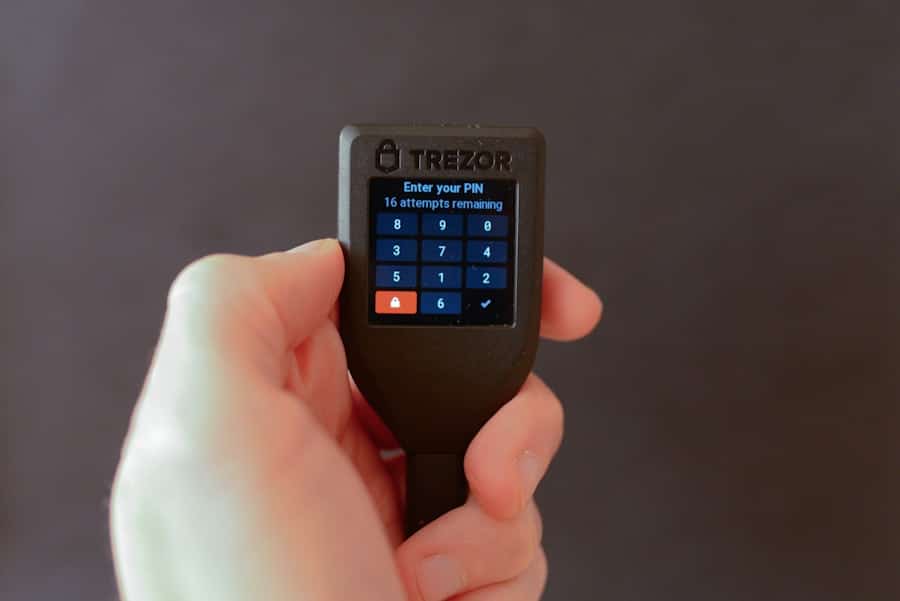
When it comes to security features, both cryptocurrency ledgers and wallets have their strengths and weaknesses. Ledgers are inherently secure due to their decentralized nature and cryptographic foundations. Since they are distributed across numerous nodes in a network, it becomes exceedingly difficult for any single entity to manipulate or compromise the data stored within them.
This decentralized architecture provides an additional layer of protection against attacks and fraud. On the other hand, wallets require careful consideration regarding their security measures. While some wallets offer robust encryption and multi-factor authentication options, others may be more vulnerable to attacks if not properly secured.
Hardware wallets are often regarded as one of the safest options because they store private keys offline, making them less susceptible to hacking attempts. Conversely, software wallets can be more convenient but may expose you to greater risks if not adequately protected. As you evaluate different options, weigh their security features against your personal risk tolerance and usage patterns.
The Advantages and Disadvantages of Using Cryptocurrency Ledger and Wallet
Using cryptocurrency ledgers and wallets comes with its own set of advantages and disadvantages that you should consider before diving into this digital landscape. One significant advantage of ledgers is their transparency; anyone can verify transactions on the blockchain without needing permission from a central authority. This transparency fosters trust among users and helps prevent fraudulent activities within the network.
However, ledgers also have their drawbacks. The decentralized nature means that if there are issues with network consensus or if nodes go offline, it could lead to delays in transaction confirmations or even temporary disruptions in service. Additionally, while ledgers provide an immutable record of transactions, they do not offer any recourse for lost or stolen funds.
When it comes to wallets, their primary advantage lies in convenience; they allow you to manage your assets easily and interact with various cryptocurrencies seamlessly. However, this convenience can come at a cost—if you do not take adequate security measures, you may expose yourself to risks such as hacking or phishing attacks. Furthermore, if you lose access to your wallet or forget your recovery phrase, recovering your funds can be nearly impossible.
Choosing the Right Cryptocurrency Ledger or Wallet for Your Needs
Selecting the right cryptocurrency ledger or wallet requires careful consideration of your individual needs and preferences. Start by assessing how frequently you plan to engage with cryptocurrencies; if you’re an active trader or investor, a wallet with advanced features may be more suitable for you. On the other hand, if you’re looking for long-term storage solutions for your assets, a hardware wallet might be the best choice due to its enhanced security.
Additionally, consider what types of cryptocurrencies you intend to hold. Some wallets support multiple currencies while others may be limited to specific ones. Researching user reviews and expert opinions can also provide valuable insights into which options are most reliable and user-friendly.
Ultimately, choosing the right cryptocurrency ledger or wallet involves balancing convenience with security while aligning with your investment goals. By taking the time to evaluate your options carefully, you can make informed decisions that will help safeguard your digital assets in this ever-evolving landscape.
FAQs
What is a cryptocurrency ledger?
A cryptocurrency ledger is a decentralized digital database that records all transactions across a network. It is maintained by a network of computers, known as nodes, and is used to ensure the integrity and security of the cryptocurrency network.
What is a cryptocurrency wallet?
A cryptocurrency wallet is a digital tool that allows users to store, send, and receive cryptocurrencies. It stores the user’s public and private keys, which are used to access and manage their cryptocurrency holdings.
What is the difference between a cryptocurrency ledger and a wallet?
The main difference between a cryptocurrency ledger and a wallet is that the ledger is a decentralized database that records all transactions on the network, while the wallet is a tool used by individuals to store and manage their cryptocurrency holdings.
How does a cryptocurrency ledger work?
A cryptocurrency ledger works by recording all transactions in a secure and transparent manner. When a transaction is initiated, it is broadcast to the network and added to the ledger after being verified by the network’s nodes. This process ensures the integrity and security of the cryptocurrency network.
How does a cryptocurrency wallet work?
A cryptocurrency wallet works by storing the user’s public and private keys, which are used to access and manage their cryptocurrency holdings. When a user wants to send or receive cryptocurrency, they use their wallet to create and sign transactions, which are then broadcast to the network for verification and inclusion in the ledger.


