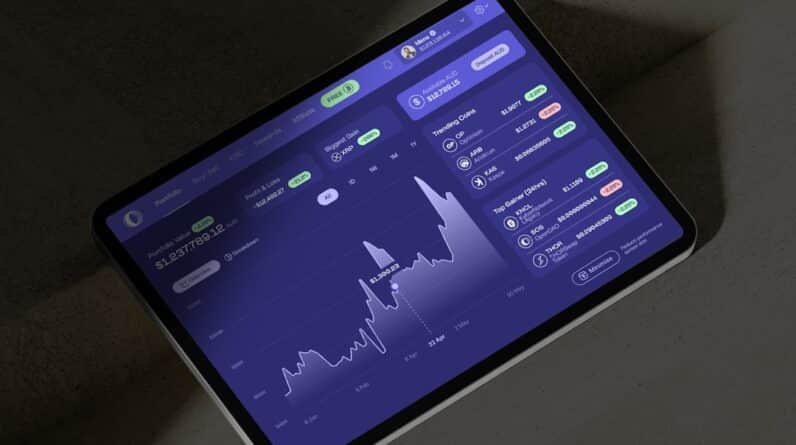
In recent years, the concept of digital currency has gained significant traction, transforming the way you think about money and transactions. Digital currency, often referred to as cryptocurrency, represents a new frontier in financial technology, allowing you to engage in transactions without the need for traditional banking systems. Unlike physical cash or coins, digital currencies exist solely in electronic form, relying on advanced cryptographic techniques to secure transactions and control the creation of new units.
This innovative approach to currency has not only captured the attention of tech enthusiasts but has also sparked interest among investors, businesses, and everyday consumers. As you delve deeper into the world of digital currency, you may find that it offers a plethora of advantages over conventional financial systems. The rise of Bitcoin in 2009 marked the beginning of this digital revolution, paving the way for thousands of alternative cryptocurrencies.
Each of these currencies comes with its unique features and use cases, but they all share a common goal: to provide a decentralized and efficient means of conducting transactions. As you explore this landscape, you will discover how digital currencies are reshaping economies and challenging traditional notions of value and exchange.
Key Takeaways
- Digital currency is a new form of currency that exists only in digital form, allowing for instant transactions and global accessibility.
- Digital currency promotes financial inclusivity by providing access to financial services for individuals who are unbanked or underbanked.
- Borderless transactions are made possible with digital currency, allowing for seamless and efficient cross-border payments and remittances.
- Digital currency offers enhanced security and transparency through the use of blockchain technology, reducing the risk of fraud and ensuring trust in transactions.
- Lower transaction costs are a key benefit of digital currency, as it eliminates the need for intermediaries and reduces fees associated with traditional banking.
Accessibility and Inclusivity
One of the most compelling aspects of digital currency is its potential for accessibility and inclusivity. In a world where millions remain unbanked or underbanked, digital currencies offer a viable alternative to traditional banking services. You may find that with just a smartphone and an internet connection, you can access a range of financial services that were previously out of reach.
This democratization of finance empowers individuals from diverse backgrounds to participate in the global economy, breaking down barriers that have long hindered economic growth. Moreover, digital currencies can be particularly beneficial in regions where banking infrastructure is lacking or unreliable. For instance, if you live in a rural area with limited access to banks, you can still engage in financial transactions using digital currencies.
This newfound accessibility can lead to increased economic participation and entrepreneurship, as individuals can send and receive money without the need for intermediaries. As you consider the implications of this shift, it becomes clear that digital currency has the potential to create a more inclusive financial landscape.
Borderless Transactions

Another significant advantage of digital currency is its ability to facilitate borderless transactions. In an increasingly globalized world, you may find yourself needing to send or receive money across international borders for various reasons—be it for business, remittances, or personal transactions. Traditional banking systems often impose hefty fees and lengthy processing times for cross-border transactions, making it cumbersome and expensive to move money internationally.
However, with digital currencies, you can bypass these obstacles entirely. When you use digital currency for international transactions, you can enjoy near-instantaneous transfers at a fraction of the cost associated with traditional methods. This efficiency not only saves you time but also allows you to retain more of your hard-earned money.
Additionally, the decentralized nature of digital currencies means that you are not subject to the whims of any single government or financial institution. This freedom from centralized control can be particularly appealing in regions where political instability or economic sanctions hinder traditional banking operations.
Security and Transparency
As you navigate the world of digital currency, security and transparency are paramount concerns that deserve your attention. Digital currencies utilize blockchain technology—a decentralized ledger that records all transactions in a secure and transparent manner. This innovative approach ensures that every transaction is verifiable and immutable, meaning that once a transaction is recorded on the blockchain, it cannot be altered or deleted.
This level of security provides you with peace of mind when conducting transactions, knowing that your funds are protected from fraud and unauthorized access. Furthermore, the transparency inherent in blockchain technology allows you to track the flow of funds in real-time. This feature can be particularly advantageous for businesses seeking to enhance their financial accountability and build trust with customers.
By providing a clear record of transactions, digital currencies foster an environment where both individuals and organizations can operate with greater confidence. As you explore this aspect of digital currency, you’ll likely appreciate how it addresses some of the longstanding issues associated with traditional financial systems.
Lower Transaction Costs
When it comes to financial transactions, cost is always a consideration. Traditional banking systems often impose various fees for services such as wire transfers, currency exchanges, and credit card processing. These costs can add up quickly, eating into your profits or savings.
However, one of the most appealing features of digital currency is its potential for significantly lower transaction costs. By eliminating intermediaries and streamlining processes through blockchain technology, digital currencies allow you to conduct transactions at a fraction of the cost. As you engage with digital currencies, you may notice that many platforms charge minimal fees compared to traditional banks.
This reduction in costs can be especially beneficial for small businesses and entrepreneurs who rely on efficient payment solutions to thrive. By saving on transaction fees, you can reinvest those funds into your business or use them for other purposes. The lower transaction costs associated with digital currencies not only enhance your financial flexibility but also contribute to a more competitive marketplace.
Decentralization and Independence

The decentralized nature of digital currency is one of its most revolutionary aspects. Unlike traditional currencies that are controlled by central banks and governments, digital currencies operate on a peer-to-peer network that empowers you as an individual participant in the financial ecosystem. This decentralization means that no single entity has control over your funds or transactions, allowing you to maintain greater independence over your financial decisions.
As you embrace this newfound independence, you may find that it fosters a sense of empowerment in managing your finances. You are no longer reliant on banks or financial institutions that may impose restrictions or fees on your transactions. Instead, you have the freedom to transact directly with others without intermediaries getting in the way.
This shift towards decentralization not only enhances your autonomy but also encourages innovation within the financial sector as new technologies and solutions emerge.
Innovation and Adaptability
The world of digital currency is characterized by rapid innovation and adaptability. As technology continues to evolve, so too do the possibilities for how you can use digital currencies in your daily life. From decentralized finance (DeFi) platforms that offer lending and borrowing services without traditional banks to non-fungible tokens (NFTs) that enable unique digital ownership, the landscape is constantly changing.
This dynamic environment encourages creativity and experimentation, allowing you to explore new ways to engage with money and value. Moreover, as more businesses and individuals adopt digital currencies, the ecosystem becomes increasingly robust and interconnected. You may find that merchants are beginning to accept cryptocurrencies as payment options, further integrating them into everyday commerce.
This adaptability not only enhances your experience as a consumer but also opens up new avenues for investment and wealth creation. As you stay informed about emerging trends in digital currency, you’ll be better equipped to navigate this exciting landscape.
Potential for Financial Inclusion
Perhaps one of the most profound implications of digital currency is its potential for fostering financial inclusion on a global scale. With billions of people lacking access to basic banking services, digital currencies offer a lifeline by providing an alternative means of conducting transactions and accessing financial resources. As you consider the impact of this technology on underserved populations, it becomes evident that digital currency could play a pivotal role in bridging the gap between the banked and unbanked.
By enabling individuals to participate in the global economy without relying on traditional banking infrastructure, digital currencies empower people to take control of their financial futures. Whether it’s through microloans for entrepreneurs or remittances sent home by migrant workers, the possibilities for financial inclusion are vast. As more people gain access to digital currencies, we may witness a transformative shift in economic opportunities worldwide—one that allows individuals from all walks of life to thrive.
In conclusion, as you explore the multifaceted world of digital currency, you’ll uncover its potential to revolutionize finance as we know it. From enhancing accessibility and inclusivity to facilitating borderless transactions and fostering security and transparency, digital currencies offer numerous advantages over traditional systems. As this technology continues to evolve, it holds promise not only for individual empowerment but also for creating a more equitable global economy where everyone has the opportunity to participate and succeed.
FAQs
What is digital currency?
Digital currency is a type of currency that is available only in digital or electronic form, and not in physical form. It is decentralized and typically operates on a technology called blockchain.
What makes digital currency universal?
Digital currency is considered universal because it can be used and accessed by anyone with an internet connection, regardless of their location or the traditional banking infrastructure in their country. This accessibility makes it a universal form of currency.
How does digital currency differ from traditional currency?
Digital currency differs from traditional currency in that it is not issued or regulated by any central authority, such as a government or central bank. It also operates independently of traditional banking systems and can be transferred directly between users without the need for intermediaries.
What are the benefits of universal digital currency?
Universal digital currency offers benefits such as lower transaction fees, faster cross-border transactions, increased financial inclusion for unbanked populations, and greater security and transparency due to the use of blockchain technology.
What are some examples of universal digital currencies?
Examples of universal digital currencies include Bitcoin, Ethereum, and Ripple. These currencies are accessible and usable by anyone with an internet connection, regardless of their location or traditional banking infrastructure.