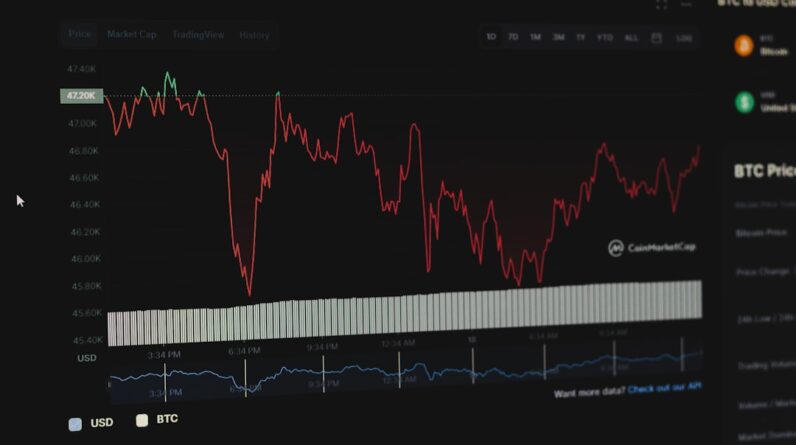
In the ever-evolving landscape of finance, you find yourself at a crossroads between two prominent investment avenues: cryptocurrencies and stocks. Both have garnered significant attention from investors, each offering unique opportunities and challenges. Cryptocurrencies, with their decentralized nature and innovative technology, have emerged as a disruptive force in the financial world.
On the other hand, stocks represent a more traditional investment route, providing ownership in established companies and a history of performance that many investors trust. As you navigate this complex terrain, understanding the nuances of both markets becomes essential for making informed decisions. The allure of cryptocurrencies lies in their potential for high returns and the promise of a new financial paradigm.
You may be drawn to the idea of investing in digital assets like Bitcoin or Ethereum, which have shown remarkable growth over the past decade. Conversely, stocks offer a sense of stability and a track record of long-term growth, appealing to those who prefer a more conventional approach. As you delve deeper into these two investment options, it’s crucial to recognize how they interact with each other and the broader economic landscape.
Key Takeaways
- Crypto and stocks are both investment options that offer potential for returns and carry inherent risks.
- The historical relationship between crypto and stocks has shown periods of correlation and divergence.
- Market volatility and risk are common factors that affect both crypto and stock investments.
- Global events such as economic crises and geopolitical tensions can influence the performance of both markets.
- Regulatory impact on crypto and stocks can create uncertainty and affect investor sentiment.
Historical Relationship between Crypto and Stocks
The Blurring of Lines
However, as the years progressed, the lines began to blur. The rise of major cryptocurrencies coincided with significant events in the stock market, leading to an increasing correlation between the two. In recent years, you may have noticed that movements in the stock market often influence cryptocurrency prices and vice versa.
Interconnectedness and Volatility
For instance, during periods of economic uncertainty or market downturns, both asset classes tend to experience heightened volatility. This interconnectedness can be attributed to several factors, including investor sentiment and the growing acceptance of cryptocurrencies by institutional investors.
Understanding the Dynamics
As you analyze this historical relationship, it becomes evident that understanding the dynamics between these two markets is crucial for developing effective investment strategies.
Market Volatility and Risk

When you invest in either cryptocurrencies or stocks, market volatility is an ever-present factor that can significantly impact your portfolio. Cryptocurrencies are notorious for their price swings; it’s not uncommon for digital assets to experience double-digit percentage changes within a single day. This volatility can be exhilarating for some investors, offering opportunities for substantial gains.
However, it also poses considerable risks, especially if you are not prepared for sudden downturns. Stocks, while generally more stable than cryptocurrencies, are not immune to volatility either. Economic indicators, corporate earnings reports, and geopolitical events can all lead to fluctuations in stock prices.
As you weigh your options, it’s essential to assess your risk tolerance and investment goals. If you prefer a more stable investment environment, stocks may be more suitable for your portfolio. Conversely, if you are willing to embrace higher risk for the potential of greater rewards, cryptocurrencies might be an appealing choice.
Influence of Global Events
Global events play a pivotal role in shaping the performance of both cryptocurrencies and stocks. As you observe the financial markets, you may notice that geopolitical tensions, economic crises, and even natural disasters can trigger significant reactions from investors. For instance, during times of economic uncertainty or political instability, many investors flock to safe-haven assets like gold or government bonds.
However, cryptocurrencies have increasingly been viewed as an alternative store of value during such times. The COVID-19 pandemic serves as a prime example of how global events can impact both markets simultaneously. In early 2020, stock markets around the world plummeted as uncertainty gripped investors.
During this period, cryptocurrencies also experienced sharp declines but later rebounded as governments implemented stimulus measures that fueled speculation in digital assets. As you consider your investment strategy, it’s crucial to stay informed about global events and their potential implications for both cryptocurrencies and stocks.
Regulatory Impact on Crypto and Stocks
Regulation is another critical factor that influences both cryptocurrencies and stocks. As you navigate these markets, understanding the regulatory landscape is essential for making informed decisions. In recent years, governments around the world have begun to take a closer look at cryptocurrencies, implementing regulations aimed at protecting investors while fostering innovation.
This regulatory scrutiny can lead to increased legitimacy for digital assets but can also create uncertainty for investors. In contrast, stocks are subject to well-established regulatory frameworks that govern their trading and reporting practices. The Securities and Exchange Commission (SEC) in the United States plays a significant role in overseeing stock markets and ensuring transparency for investors.
As you evaluate your investment options, consider how regulatory developments may impact both asset classes. A favorable regulatory environment can enhance investor confidence in cryptocurrencies, while stringent regulations may pose challenges for their growth.
Diversification and Portfolio Management

As an investor, diversification is a fundamental principle that can help mitigate risk and enhance returns in your portfolio. By spreading your investments across different asset classes—such as stocks and cryptocurrencies—you can reduce the impact of poor performance in any single investment. When considering diversification strategies, it’s essential to assess how these two markets interact with each other.
You might find that incorporating cryptocurrencies into your portfolio can provide an additional layer of diversification. While stocks tend to move in tandem with broader economic trends, cryptocurrencies often exhibit unique price movements influenced by different factors. This divergence can create opportunities for balancing risk and reward within your investment strategy.
However, it’s crucial to strike a balance; overexposure to highly volatile assets like cryptocurrencies can lead to increased risk.
Correlation and Divergence
The correlation between cryptocurrencies and stocks is a dynamic aspect of financial markets that you should closely monitor. At times, these two asset classes may move in tandem due to shared influences such as investor sentiment or macroeconomic trends. For example, during bullish market conditions where investor confidence is high, both stocks and cryptocurrencies may experience upward momentum.
Conversely, there are periods when cryptocurrencies diverge from stock market trends. This divergence can occur when specific events or developments uniquely impact one asset class while leaving the other relatively unaffected. For instance, regulatory news affecting cryptocurrencies may lead to price fluctuations independent of stock market performance.
As you analyze these correlations and divergences, consider how they can inform your investment decisions and timing.
Future Outlook for Crypto and Stocks
Looking ahead, the future outlook for both cryptocurrencies and stocks presents a landscape filled with potential opportunities and challenges. As technology continues to advance and financial systems evolve, you may witness further integration between these two asset classes. The growing acceptance of cryptocurrencies by institutional investors could pave the way for increased legitimacy and stability within the market.
However, challenges remain on the horizon. Regulatory developments will continue to shape the future of both markets, influencing investor behavior and market dynamics. Additionally, economic factors such as inflation rates and interest rates will play a crucial role in determining the performance of stocks and cryptocurrencies alike.
As you contemplate your investment strategy moving forward, staying informed about these trends will be vital for navigating this complex financial landscape. In conclusion, whether you choose to invest in cryptocurrencies or stocks—or perhaps a combination of both—understanding their historical relationship, market volatility, global influences, regulatory impacts, diversification strategies, correlations, and future outlooks will empower you to make informed decisions tailored to your financial goals. The journey through these dynamic markets is filled with potential rewards but requires careful consideration and ongoing education to navigate successfully.
FAQs
What is cryptocurrency?
Cryptocurrency is a digital or virtual form of currency that uses cryptography for security and operates independently of a central bank.
What are stocks?
Stocks, also known as shares or equities, represent ownership in a company and entitle the holder to a portion of the company’s assets and profits.
What is the relationship between cryptocurrency and stocks?
The relationship between cryptocurrency and stocks is complex and can vary. Some investors view cryptocurrency as an alternative investment to stocks, while others see them as complementary assets in a diversified portfolio.
How are cryptocurrency and stocks similar?
Both cryptocurrency and stocks are investment assets that can be bought and sold on various exchanges. They are also subject to market volatility and can generate returns for investors.
How are cryptocurrency and stocks different?
Cryptocurrency is a digital form of currency that operates on a decentralized network, while stocks represent ownership in a company. Additionally, cryptocurrency markets operate 24/7, while stock markets have specific trading hours.
Can cryptocurrency and stocks influence each other?
Yes, there can be instances where movements in cryptocurrency markets impact stock prices, and vice versa. For example, news about regulatory developments in the cryptocurrency space can affect investor sentiment and impact stock prices of companies involved in the industry.
Should I invest in cryptocurrency or stocks?
The decision to invest in cryptocurrency or stocks depends on individual financial goals, risk tolerance, and investment strategy. It’s important to conduct thorough research and consider seeking advice from a financial advisor before making any investment decisions.