As you delve into the world of cryptocurrency, one of the first concepts you encounter is that of crypto exchanges. These platforms serve as the gateways to the digital currency universe, allowing you to buy, sell, and trade various cryptocurrencies. Whether you are a seasoned trader or a newcomer, understanding how these exchanges operate is crucial for navigating the often volatile landscape of digital assets.
Crypto exchanges come in various forms, each offering unique features and functionalities that cater to different types of users. The primary function of a crypto exchange is to facilitate transactions between buyers and sellers. You can think of them as the modern-day equivalent of stock exchanges, but instead of stocks, they deal with cryptocurrencies like Bitcoin, Ethereum, and countless altcoins.
The ease of access and the potential for profit have attracted millions of users worldwide, making crypto exchanges a vital component of the financial ecosystem. However, as you explore these platforms, it’s essential to consider factors such as security, user experience, and regulatory compliance, which can significantly impact your trading experience.
Key Takeaways
- Crypto exchanges are platforms where users can buy, sell, and trade cryptocurrencies.
- Decentralized exchanges (DEX) operate without a central authority, providing users with more control over their funds.
- Regulation and compliance are important factors for crypto exchanges to ensure the security and protection of users’ assets.
- Security and custody measures are crucial for protecting users’ funds from hacks and theft.
- User experience and interface play a significant role in attracting and retaining users on crypto exchanges.
Decentralized Exchanges
Decentralized exchanges (DEXs) represent a revolutionary shift in how you can trade cryptocurrencies. Unlike traditional exchanges that operate on centralized servers, DEXs allow you to trade directly with other users through smart contracts on a blockchain. This means that you retain control over your funds at all times, eliminating the need to trust a third party with your assets.
As you navigate this new frontier, you may find that DEXs offer a level of privacy and autonomy that centralized exchanges cannot match. One of the most appealing aspects of decentralized exchanges is their ability to facilitate peer-to-peer trading without intermediaries. This not only enhances security but also reduces the risk of hacking incidents that have plagued centralized platforms.
Additionally, DEXs often feature lower fees and a wider variety of tokens available for trading. However, as you explore these platforms, it’s important to be aware of the potential downsides, such as lower liquidity and a steeper learning curve for new users. Understanding how to use DEXs effectively can empower you to take full advantage of the opportunities they present.
Regulation and Compliance

As the cryptocurrency market continues to grow, so does the scrutiny from regulatory bodies around the world. You may find yourself wondering how regulations impact your trading activities and the overall landscape of crypto exchanges. Governments are increasingly recognizing the need for oversight to protect consumers and prevent illicit activities such as money laundering and fraud.
This has led to a patchwork of regulations that vary significantly from one jurisdiction to another. Navigating this regulatory environment can be challenging for both users and exchanges alike. For you as a trader, it’s essential to choose exchanges that comply with local laws and regulations to ensure your investments are protected.
Compliance measures often include Know Your Customer (KYC) protocols and Anti-Money Laundering (AML) policies, which require users to verify their identities before trading. While these measures may seem cumbersome, they are designed to create a safer trading environment for everyone involved.
Security and Custody
When it comes to trading cryptocurrencies, security should be at the forefront of your mind. The decentralized nature of blockchain technology offers inherent security features; however, the platforms you use can still be vulnerable to attacks. As you engage with crypto exchanges, understanding their security measures is crucial for safeguarding your assets.
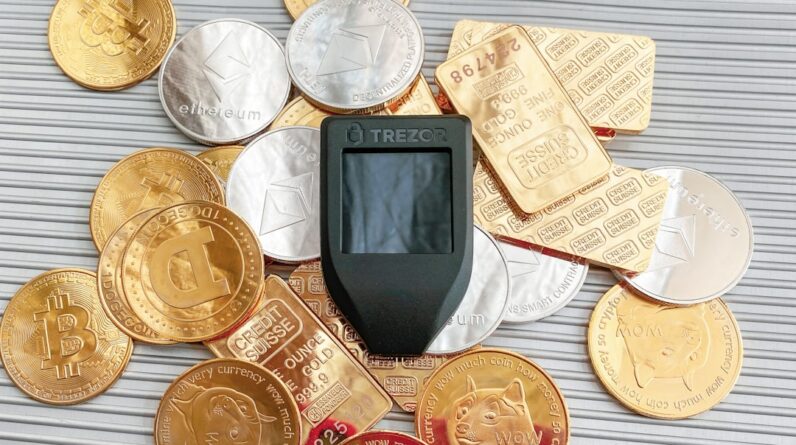
Many exchanges employ advanced security protocols such as two-factor authentication (2FA), cold storage for funds, and regular security audits to protect user data and assets. Custody solutions also play a significant role in ensuring the safety of your investments. Some exchanges offer custodial services where they hold your assets on your behalf, while others provide non-custodial options that allow you to maintain control over your private keys.
Each approach has its pros and cons; custodial services may offer convenience but come with risks associated with trusting a third party. On the other hand, non-custodial solutions require you to take full responsibility for your assets but provide greater control and security in the long run.
User Experience and Interface
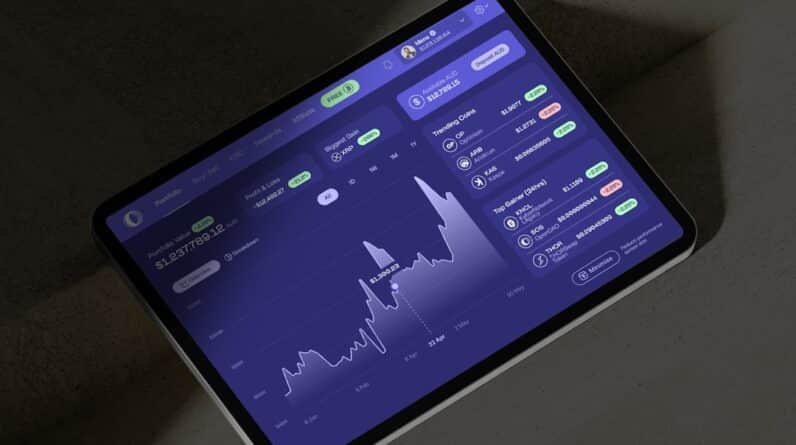
The user experience (UX) and interface design of a crypto exchange can significantly influence your trading journey. A well-designed platform can make it easier for you to navigate complex trading features, while a poorly designed one can lead to frustration and missed opportunities. As you explore different exchanges, pay attention to how intuitive their interfaces are and whether they provide the tools you need for effective trading.
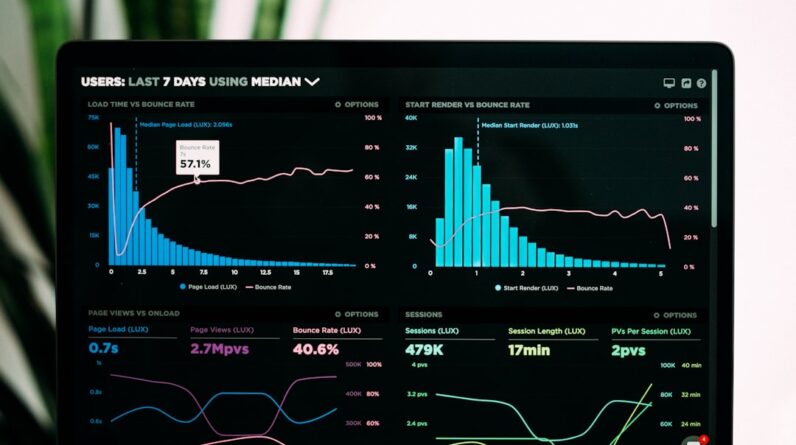
Many exchanges now prioritize user experience by offering customizable dashboards, advanced charting tools, and educational resources for beginners. A seamless onboarding process can also enhance your experience by guiding you through account setup and initial trades. As you evaluate various platforms, consider how their UX aligns with your trading style and preferences.
A positive user experience can empower you to make informed decisions and execute trades more efficiently.
Integration with Traditional Finance

The integration of cryptocurrency exchanges with traditional financial systems marks a significant evolution in how you can manage your assets. As cryptocurrencies gain mainstream acceptance, many exchanges are beginning to offer services that bridge the gap between digital currencies and fiat money. This integration allows you to deposit and withdraw funds in traditional currencies like USD or EUR, making it easier than ever to enter or exit the crypto market.
Moreover, some exchanges are partnering with banks and financial institutions to provide additional services such as debit cards linked to your crypto accounts or investment products that combine traditional assets with cryptocurrencies. This convergence not only enhances your trading options but also legitimizes cryptocurrencies in the eyes of traditional investors. As you explore these integrated services, consider how they can complement your overall investment strategy and provide greater flexibility in managing your portfolio.
Cross-Chain Trading and Interoperability
As the cryptocurrency ecosystem continues to expand, cross-chain trading and interoperability have emerged as critical components for enhancing your trading experience. Cross-chain trading allows you to exchange assets across different blockchain networks without needing a centralized intermediary. This capability opens up new avenues for diversification and investment opportunities that were previously unavailable.
Interoperability between various blockchains is essential for creating a seamless trading experience. As you engage with multiple cryptocurrencies, having the ability to move assets freely between different networks can significantly enhance your trading strategy. Projects focused on interoperability are working tirelessly to develop solutions that enable smooth transactions across various platforms.
By staying informed about these developments, you can position yourself at the forefront of this evolving landscape.
The Rise of Non-Fungible Tokens (NFTs)
In recent years, non-fungible tokens (NFTs) have taken the digital world by storm, capturing the attention of artists, collectors, and investors alike. Unlike traditional cryptocurrencies that are fungible and interchangeable, NFTs represent unique digital assets that can signify ownership of art, music, virtual real estate, and more. As you explore this burgeoning market, you’ll discover how NFTs are reshaping the way we think about ownership and value in the digital age.
The rise of NFTs has also led to new opportunities within crypto exchanges. Many platforms are now incorporating NFT marketplaces where you can buy, sell, or trade these unique tokens alongside traditional cryptocurrencies. This integration not only broadens your investment options but also allows you to participate in a vibrant community of creators and collectors.
As you navigate this exciting space, consider how NFTs might fit into your overall investment strategy and what potential they hold for future growth. In conclusion, understanding the multifaceted world of crypto exchanges is essential for anyone looking to engage with cryptocurrencies effectively. From decentralized platforms that prioritize user autonomy to regulatory considerations that ensure compliance and security measures that protect your assets, each aspect plays a vital role in shaping your trading experience.
By staying informed about trends such as cross-chain trading and the rise of NFTs, you can position yourself strategically within this dynamic landscape. Whether you’re just starting or looking to refine your approach, embracing these insights will empower you on your cryptocurrency journey.
FAQs
What are crypto exchanges?
Crypto exchanges are online platforms that allow users to buy, sell, and trade cryptocurrencies such as Bitcoin, Ethereum, and other digital assets.
What is the future of crypto exchanges?
The future of crypto exchanges is likely to involve increased regulation, improved security measures, and the integration of new technologies such as decentralized finance (DeFi) and non-fungible tokens (NFTs).
How will regulation impact crypto exchanges?
Regulation is expected to bring more legitimacy to the crypto industry, making it safer for investors and reducing the risk of fraud and market manipulation. However, excessive regulation could stifle innovation and limit access to crypto markets.
What role will security play in the future of crypto exchanges?
Security will be a top priority for crypto exchanges, as the industry continues to be a target for hackers and cyber attacks. Exchange platforms will need to invest in robust security measures to protect user funds and data.
How will new technologies like DeFi and NFTs impact crypto exchanges?
Decentralized finance (DeFi) and non-fungible tokens (NFTs) are expected to bring new opportunities and challenges to crypto exchanges. Exchanges will need to adapt to support these new asset classes and provide users with access to a wider range of digital assets.