To embark on your journey into the world of cryptocurrencies, it’s essential to grasp what they are and how they function. At their core, cryptocurrencies are digital or virtual currencies that utilize cryptography for security. Unlike traditional currencies issued by governments, cryptocurrencies operate on decentralized networks based on blockchain technology.
This means that transactions are recorded on a public ledger, ensuring transparency and security while eliminating the need for intermediaries like banks. As you delve deeper, you’ll discover that there are thousands of cryptocurrencies available, each with unique features and purposes. Bitcoin, the first and most well-known cryptocurrency, paved the way for others like Ethereum, Ripple, and Litecoin, each offering different functionalities and use cases.
Understanding the underlying technology is crucial for making informed decisions. Blockchain technology not only supports cryptocurrencies but also has applications in various sectors, including finance, supply chain management, and healthcare. As you explore this digital landscape, you’ll encounter terms like mining, wallets, and smart contracts.
Mining refers to the process of validating transactions and adding them to the blockchain, while wallets are digital tools that allow you to store and manage your cryptocurrencies securely. Smart contracts are self-executing contracts with the terms of the agreement directly written into code, enabling automated transactions without the need for intermediaries. By familiarizing yourself with these concepts, you’ll be better equipped to navigate the complexities of the cryptocurrency market.
Key Takeaways
- Cryptocurrencies are digital or virtual currencies that use cryptography for security and operate independently of a central bank.
- When choosing a cryptocurrency exchange, consider factors such as security, fees, available cryptocurrencies, and user interface.
- Setting up a wallet is essential for storing, sending, and receiving cryptocurrencies. There are different types of wallets, including hardware, software, and paper wallets.
- Buying cryptocurrencies can be done through exchanges, peer-to-peer platforms, or Bitcoin ATMs. It’s important to research and choose a reputable and secure method.
- Selling cryptocurrencies can also be done through exchanges or peer-to-peer platforms. Consider factors such as fees, liquidity, and security when choosing a method.
- Security measures for cryptocurrencies include using strong passwords, enabling two-factor authentication, and being cautious of phishing scams and malware.
- Taxes and regulations for cryptocurrencies vary by country. It’s important to stay informed about the tax implications and legal requirements in your jurisdiction.
- Tips for successful trading include doing thorough research, diversifying your portfolio, setting realistic goals, and staying updated on market trends and news.
Choosing a Cryptocurrency Exchange
Once you have a solid understanding of cryptocurrencies, the next step is selecting a cryptocurrency exchange where you can buy and sell these digital assets. The exchange you choose can significantly impact your trading experience, so it’s essential to consider several factors before making a decision. Start by evaluating the exchange’s reputation and security measures.
Look for platforms that have been in operation for a while and have positive reviews from users. Security breaches can lead to significant losses, so prioritize exchanges that implement robust security protocols, such as two-factor authentication and cold storage for funds. Another critical aspect to consider is the range of cryptocurrencies offered by the exchange.
Some platforms focus on popular coins like Bitcoin and Ethereum, while others provide access to a broader selection of altcoins. Depending on your investment strategy, you may want to choose an exchange that aligns with your interests. Additionally, pay attention to the fees associated with trading on the platform.
Different exchanges have varying fee structures, including trading fees, withdrawal fees, and deposit fees. By comparing these costs across multiple exchanges, you can find one that offers competitive rates while meeting your trading needs.
Setting Up a Wallet

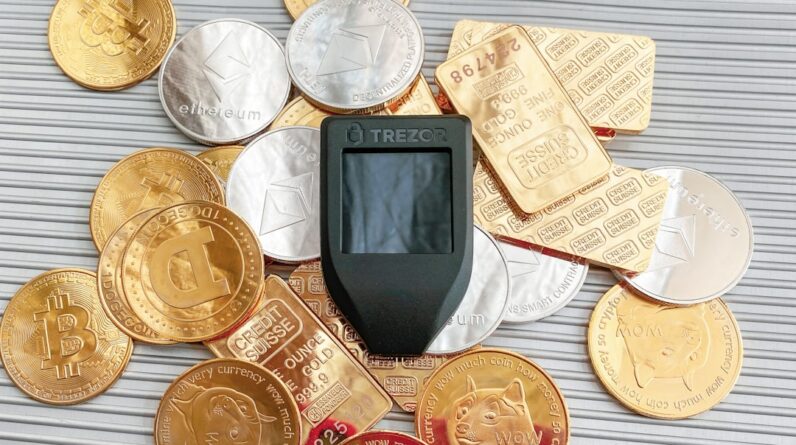
After selecting a cryptocurrency exchange, the next step is to set up a wallet to store your digital assets securely. Wallets come in various forms, including hardware wallets, software wallets, and online wallets. Hardware wallets are physical devices that store your cryptocurrencies offline, providing an extra layer of security against hacking attempts.
If you plan to hold your assets for an extended period or invest significant amounts, a hardware wallet may be the best option for you. On the other hand, software wallets are applications that can be installed on your computer or mobile device. They offer convenience for frequent trading but may be more vulnerable to cyber threats compared to hardware wallets.
Online wallets are web-based services that allow you to access your cryptocurrencies from any device with an internet connection. While they are user-friendly and accessible, they also carry higher risks due to their online nature. As you set up your wallet, ensure that you follow best practices for security, such as enabling two-factor authentication and keeping your recovery phrases secure.
Buying Cryptocurrencies
With your wallet set up and your chosen exchange ready, you can now proceed to buy cryptocurrencies. The process typically begins with creating an account on the exchange and completing any necessary verification steps. Once your account is active, you can deposit funds using various methods such as bank transfers or credit cards.
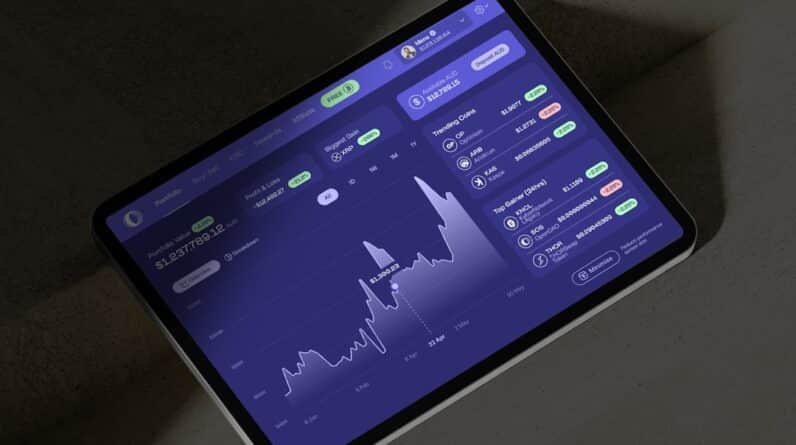
Each exchange has its own deposit options, so choose one that suits your preferences. After funding your account, navigate to the trading section of the exchange where you can select the cryptocurrency you wish to purchase. You’ll often have options to place different types of orders—market orders allow you to buy at the current market price, while limit orders enable you to set a specific price at which you want to buy.
As you make your purchase, keep an eye on transaction fees and ensure that you’re comfortable with the amount being charged. Once your order is executed, the purchased cryptocurrency will be credited to your exchange account. From there, it’s advisable to transfer your assets to your wallet for added security.
Selling Cryptocurrencies
When it comes time to sell your cryptocurrencies, the process is quite similar to buying them. Start by logging into your exchange account and navigating to the trading section. You’ll need to decide whether you want to sell all or part of your holdings based on your investment strategy or market conditions.
Just like when buying, you can choose between market orders and limit orders when selling your assets. Market orders will execute immediately at the current market price, while limit orders allow you to set a specific price at which you want to sell. If you’re looking to maximize profits or minimize losses, limit orders can be particularly useful in volatile markets.
Once your order is filled, the proceeds from the sale will be credited back to your exchange account in fiat currency or another cryptocurrency of your choice. From there, you can withdraw your funds back to your bank account or transfer them to another wallet as needed.
Security Measures

Strong Passwords and Secure Storage
As you navigate the world of cryptocurrencies, prioritizing security is paramount. The decentralized nature of cryptocurrencies means that once a transaction is made, it cannot be reversed; therefore, protecting your assets should be a top priority. Start by using strong passwords for your exchange accounts and wallets—consider using a password manager to generate and store complex passwords securely.
Two-Factor Authentication and Phishing Prevention
Additionally, enable two-factor authentication (2FA) wherever possible. This adds an extra layer of security by requiring a second form of verification beyond just your password when logging in or making transactions. Be cautious about phishing attempts; always verify URLs before entering sensitive information and avoid clicking on suspicious links in emails or messages claiming to be from exchanges or wallet providers.
Software Updates and Data Backups
Regularly updating your software and keeping backups of important data can also help safeguard against potential threats.
Taxes and Regulations
As cryptocurrencies gain popularity worldwide, governments are increasingly focusing on regulations surrounding their use and taxation. It’s crucial for you to understand how these regulations apply in your jurisdiction to avoid potential legal issues down the line. In many countries, cryptocurrencies are treated as assets rather than currency for tax purposes; this means that any gains from buying and selling them may be subject to capital gains tax.
Keep detailed records of all your transactions—this includes dates of purchases and sales, amounts involved, and any associated fees. This information will be invaluable when it comes time to file taxes or report earnings from cryptocurrency trading. Additionally, stay informed about any changes in regulations regarding cryptocurrency in your area; laws can vary significantly from one country to another and may evolve over time.
Tips for Successful Trading
To enhance your trading experience and increase your chances of success in the cryptocurrency market, consider implementing some strategic tips. First and foremost, educate yourself continuously about market trends and developments within the cryptocurrency space. Follow reputable news sources and engage with online communities where traders share insights and experiences.
Diversification is another key strategy; don’t put all your eggs in one basket by investing solely in one cryptocurrency. Instead, consider spreading your investments across multiple assets to mitigate risk. Additionally, establish clear goals for your trading activities—whether you’re looking for short-term gains or long-term investments—and stick to them.
Emotional decision-making can lead to impulsive trades; therefore, having a well-defined strategy can help guide your actions during market fluctuations. In conclusion, navigating the world of cryptocurrencies requires a solid understanding of various concepts and practices—from choosing an exchange and setting up a wallet to buying and selling assets securely. By prioritizing security measures and staying informed about regulations and market trends, you can enhance your trading experience while minimizing risks.
With patience and diligence, you can successfully engage in this exciting digital frontier.
FAQs
What is cryptocurrency?
Cryptocurrency is a digital or virtual form of currency that uses cryptography for security and operates independently of a central bank.
How do I buy cryptocurrencies?
You can buy cryptocurrencies through online exchanges, where you can use traditional currency to purchase various types of cryptocurrencies.
What is a cryptocurrency wallet?
A cryptocurrency wallet is a digital tool that allows you to store, send, and receive cryptocurrencies. It stores the public and private keys that are used to access and manage your cryptocurrency holdings.
How do I sell cryptocurrencies?
You can sell cryptocurrencies on online exchanges by placing a sell order for the amount of cryptocurrency you want to sell and then receiving the equivalent value in traditional currency.
What are the risks of buying and selling cryptocurrencies?
The risks of buying and selling cryptocurrencies include price volatility, security concerns, regulatory changes, and the potential for fraud or hacking. It’s important to do thorough research and consider these risks before investing in cryptocurrencies.