As you delve into the world of finance, you may have encountered the term “cryptocurrency” more frequently than ever before. This digital form of currency has revolutionized the way people think about money, investments, and transactions. Unlike traditional currencies issued by governments, cryptocurrencies operate on decentralized networks based on blockchain technology.
This innovation not only enhances security but also offers a level of transparency that many investors find appealing. As you consider entering this dynamic market, it’s essential to understand the fundamentals of crypto investments, including their potential benefits and pitfalls. Investing in cryptocurrencies can be an exhilarating journey, filled with opportunities for substantial returns.
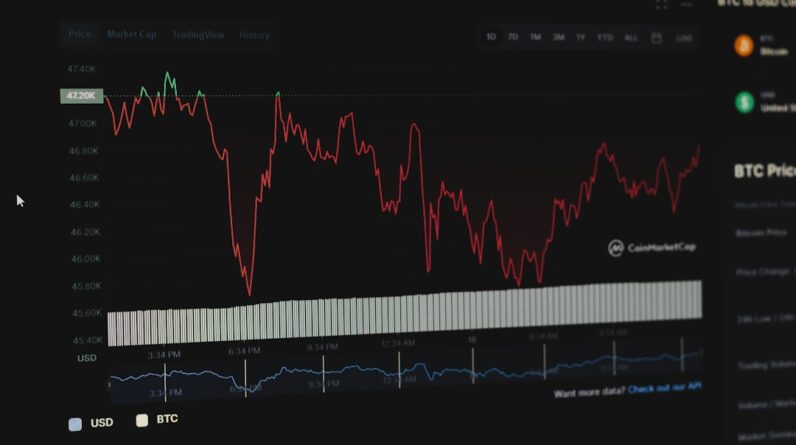
However, it is also fraught with volatility and uncertainty. Prices can soar to new heights or plummet dramatically within a matter of hours, making it crucial for you to stay informed and prepared. As you explore this investment avenue, you will encounter various cryptocurrencies, each with its unique features and use cases.
From Bitcoin, the pioneer of the crypto movement, to Ethereum, which enables smart contracts and decentralized applications, the landscape is rich with possibilities. Understanding these nuances will empower you to make informed decisions as you navigate the crypto investment terrain.
Key Takeaways
- Crypto investments are gaining popularity as an alternative investment option with potential high returns.
- The legal status of crypto investments varies from country to country, with some countries embracing it while others have imposed restrictions.
- Regulations and restrictions on crypto investments are evolving as governments and financial institutions grapple with the challenges of regulating this new asset class.
- Tax implications of crypto investments can be complex and vary depending on the country and the nature of the investment.
- Potential risks and challenges of investing in crypto include market volatility, security concerns, and regulatory uncertainty.
Legal Status of Crypto Investments in Different Countries
The legal status of cryptocurrencies varies significantly from one country to another, creating a complex landscape for potential investors like yourself. In some nations, cryptocurrencies are embraced as legitimate forms of currency or assets, while in others, they face outright bans or severe restrictions. For instance, countries such as the United States and Canada have established regulatory frameworks that allow for the trading and use of cryptocurrencies, albeit with certain guidelines in place.
This regulatory clarity can provide you with a sense of security as you consider investing in these digital assets. Conversely, there are countries where the legal status of cryptocurrencies remains ambiguous or hostile. Nations like China have implemented strict regulations that limit or prohibit cryptocurrency trading and mining activities.
This creates a challenging environment for investors who may be interested in participating in the crypto market from those regions. As you assess your investment options, it is vital to research the legal standing of cryptocurrencies in your country and any countries where you may wish to invest. Understanding these legal frameworks will help you navigate potential pitfalls and ensure compliance with local laws.
Regulations and Restrictions on Crypto Investments

As you explore the world of crypto investments, it is essential to familiarize yourself with the various regulations and restrictions that govern this space. Regulatory bodies in different countries have taken diverse approaches to managing cryptocurrencies, often reflecting their economic priorities and concerns about consumer protection. In many jurisdictions, regulations focus on anti-money laundering (AML) and know-your-customer (KYC) requirements, which aim to prevent illicit activities associated with digital currencies.
These regulations may require exchanges and platforms to verify the identities of their users before allowing them to trade or invest. In addition to AML and KYC regulations, some countries impose restrictions on specific types of crypto activities. For example, initial coin offerings (ICOs) may be heavily regulated or banned altogether in certain jurisdictions due to concerns about fraud and investor protection.
As an investor, it is crucial for you to stay informed about these regulations and how they may impact your ability to invest in cryptocurrencies. By understanding the legal landscape surrounding crypto investments, you can make more informed decisions and mitigate potential risks associated with non-compliance.
Tax Implications of Crypto Investments
When considering crypto investments, one critical aspect that often goes overlooked is the tax implications associated with buying, selling, and holding digital assets. Tax treatment of cryptocurrencies varies widely across different countries, making it essential for you to understand how your investments will be taxed in your jurisdiction. In many places, cryptocurrencies are treated as property rather than currency for tax purposes.
This means that any gains or losses from trading or selling your crypto assets may be subject to capital gains tax. As you navigate the tax landscape of crypto investments, it is important to keep detailed records of your transactions. This includes tracking the purchase price, sale price, and dates of each transaction.
Failure to report your crypto gains accurately could lead to penalties or audits from tax authorities. Additionally, some countries offer tax incentives for long-term holders of cryptocurrencies, allowing you to benefit from lower tax rates if you hold your assets for a specified period. Understanding these nuances can help you optimize your tax strategy and ensure compliance with local laws.
Potential Risks and Challenges of Investing in Crypto
Investing in cryptocurrencies presents a unique set of risks and challenges that you must consider before diving into this volatile market. One of the most significant risks is market volatility; prices can fluctuate dramatically within short time frames due to various factors such as market sentiment, regulatory news, or technological developments. This volatility can lead to substantial gains but also significant losses if you’re not prepared for sudden market shifts.
Another challenge is the security of your investments. While blockchain technology is inherently secure, cryptocurrency exchanges and wallets can be vulnerable to hacking and theft. As an investor, it is crucial for you to take proactive measures to protect your assets by using reputable exchanges, enabling two-factor authentication, and considering hardware wallets for long-term storage.
Additionally, the lack of regulation in some areas can expose you to fraudulent schemes or scams that prey on unsuspecting investors. By being aware of these risks and taking appropriate precautions, you can better navigate the complexities of crypto investments.
Ways to Legally Invest in Crypto in Your Country

If you’re eager to invest in cryptocurrencies legally within your country, there are several avenues available to you. The most common method is through cryptocurrency exchanges that facilitate buying and selling digital assets using fiat currency or other cryptocurrencies. These exchanges often require you to create an account and complete KYC verification before allowing you to trade.
Popular exchanges like Coinbase, Binance, and Kraken offer user-friendly interfaces that cater to both beginners and experienced traders alike. In addition to exchanges, you may also consider investing in cryptocurrency funds or trusts that allow you to gain exposure to digital assets without directly purchasing them yourself. These funds are managed by professionals who handle the buying and selling of cryptocurrencies on your behalf.
This option can be particularly appealing if you’re looking for a more hands-off approach or if you’re unsure about navigating the complexities of individual crypto investments. Regardless of the method you choose, ensure that you’re compliant with local regulations and understand any associated fees or risks involved.
Future Outlook for Crypto Investments
As you look ahead at the future of crypto investments, it’s essential to consider both the potential growth opportunities and challenges that lie ahead. The adoption of cryptocurrencies by mainstream financial institutions and corporations has been steadily increasing over recent years. Major companies are beginning to accept digital currencies as payment methods, while institutional investors are allocating significant portions of their portfolios to cryptocurrencies.
This growing acceptance could signal a shift toward greater legitimacy for digital assets in the financial landscape. However, challenges remain on the horizon as regulatory scrutiny intensifies globally. Governments are grappling with how best to regulate this rapidly evolving market while balancing innovation with consumer protection.
As an investor, staying informed about regulatory developments will be crucial in navigating this landscape effectively. Additionally, technological advancements such as improvements in blockchain scalability and security could further enhance the viability of cryptocurrencies as investment vehicles. By keeping an eye on these trends and developments, you’ll be better positioned to make informed decisions about your crypto investments.
Navigating the Legal Landscape of Crypto Investments
In conclusion, navigating the legal landscape of crypto investments requires diligence and awareness on your part as an investor. Understanding the legal status of cryptocurrencies in your country is paramount; it sets the foundation for how you approach investing in this dynamic market. By familiarizing yourself with regulations and restrictions, tax implications, potential risks, and available investment avenues, you can make informed decisions that align with your financial goals.
As you embark on your journey into crypto investments, remember that knowledge is power. Staying informed about market trends and regulatory changes will empower you to adapt your strategies accordingly. While the world of cryptocurrency presents exciting opportunities for growth and innovation, it also demands careful consideration and risk management from investors like yourself.
By approaching this landscape with caution and curiosity, you’ll be well-equipped to navigate the complexities of crypto investments successfully.
FAQs
What is cryptocurrency?
Cryptocurrency is a digital or virtual form of currency that uses cryptography for security and operates independently of a central bank.
Is cryptocurrency legal in my country?
The legality of cryptocurrency varies by country. Some countries have embraced it, while others have imposed restrictions or outright bans.
Can I legally invest in cryptocurrency in my country?
The legality of investing in cryptocurrency depends on the regulations in your country. Some countries have specific laws governing cryptocurrency investments, while others have not yet established clear guidelines.
What are the risks of investing in cryptocurrency?
Investing in cryptocurrency carries various risks, including price volatility, security vulnerabilities, and regulatory uncertainty. It’s important to thoroughly research and understand these risks before investing.
What should I consider before investing in cryptocurrency?
Before investing in cryptocurrency, consider factors such as regulatory environment, security measures, market volatility, and your own risk tolerance. It’s also important to use reputable exchanges and wallets for transactions.
Are there any legal restrictions on cryptocurrency transactions in my country?
Some countries have imposed restrictions on cryptocurrency transactions, such as banning certain types of transactions or requiring exchanges to adhere to specific regulations. It’s important to be aware of these restrictions before engaging in cryptocurrency transactions.