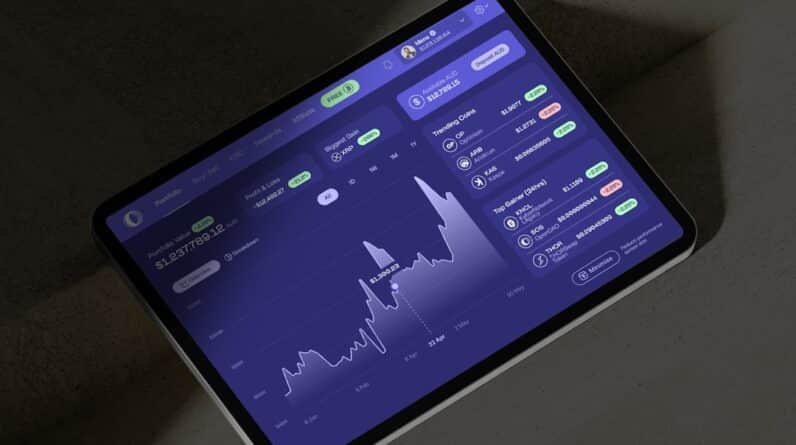
As you embark on your journey into the world of cryptocurrency investments, it’s essential to grasp the foundational concepts that underpin this digital asset class. Cryptocurrency, at its core, is a form of digital or virtual currency that employs cryptography for security. Unlike traditional currencies issued by governments, cryptocurrencies operate on decentralized networks based on blockchain technology.
This decentralized nature means that transactions can occur directly between users without the need for intermediaries, such as banks. Understanding these basics will empower you to navigate the complexities of the crypto market with greater confidence. Moreover, it’s crucial to familiarize yourself with the various types of cryptocurrencies available.
Bitcoin, the first and most well-known cryptocurrency, paved the way for thousands of alternatives, often referred to as altcoins. Each cryptocurrency has its unique features, use cases, and underlying technology. For instance, Ethereum introduced smart contracts, enabling developers to create decentralized applications (dApps) on its platform.
By understanding these distinctions, you can make informed decisions about which cryptocurrencies align with your investment goals and risk tolerance.
Key Takeaways
- Crypto investments involve buying and holding digital assets with the expectation of profit.
- Research and understand the technology, team, and use case of a cryptocurrency before investing.
- Diversify your crypto investment portfolio to spread risk and maximize potential returns.
- Set realistic financial goals and timeframes to manage expectations and reduce emotional decision-making.
- Stay informed about market trends, news, and regulatory developments to make informed investment decisions.
Choosing the Right Cryptocurrency to Invest In
When it comes to selecting the right cryptocurrency for your investment portfolio, thorough research is paramount. You should start by evaluating the market capitalization of different cryptocurrencies, as this metric can provide insight into their relative stability and potential for growth. Generally, larger market cap cryptocurrencies like Bitcoin and Ethereum tend to be less volatile than smaller altcoins.
However, smaller coins can offer significant upside potential if they gain traction in the market. In addition to market capitalization, consider the technology and use case behind each cryptocurrency. Investigate the project’s whitepaper, which outlines its purpose, technology, and roadmap.
Look for projects that solve real-world problems or have a clear value proposition. Engaging with community forums and social media channels can also provide valuable insights into public sentiment and ongoing developments within specific projects. By taking a comprehensive approach to your research, you can identify cryptocurrencies that not only pique your interest but also have the potential for long-term growth.
Creating a Diversified Crypto Investment Portfolio
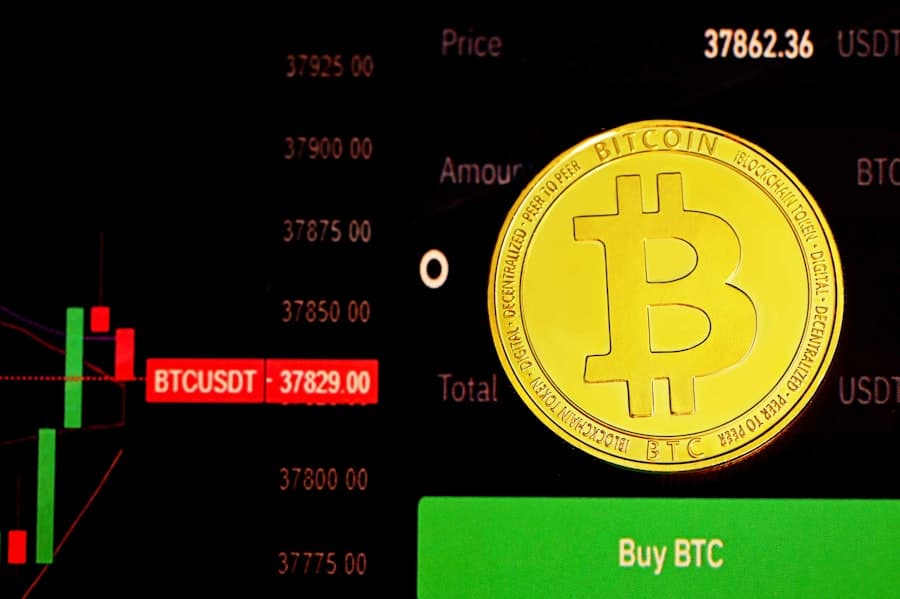
Diversification is a fundamental principle of investing that applies equally to cryptocurrency. By spreading your investments across various cryptocurrencies, you can mitigate risk and enhance your chances of achieving favorable returns. A well-diversified portfolio might include a mix of established coins like Bitcoin and Ethereum, alongside promising altcoins that have strong fundamentals and growth potential.
This strategy allows you to capitalize on different market trends while reducing the impact of volatility associated with any single asset. When constructing your diversified portfolio, consider allocating your investments based on your risk tolerance and investment horizon. For instance, if you are risk-averse, you might choose to allocate a larger portion of your portfolio to more established cryptocurrencies while reserving a smaller percentage for high-risk altcoins.
Conversely, if you have a higher risk tolerance and a longer investment horizon, you may opt for a more aggressive allocation strategy that emphasizes growth-oriented assets. Regularly reviewing and rebalancing your portfolio will ensure that it remains aligned with your financial goals and market conditions.
Setting Realistic Financial Goals and Timeframes
Establishing clear financial goals is a critical step in your crypto investment journey. You should take the time to define what you hope to achieve through your investments—whether it’s building wealth for retirement, funding a major purchase, or simply growing your savings. By setting specific, measurable, achievable, relevant, and time-bound (SMART) goals, you can create a roadmap that guides your investment decisions and keeps you focused on your objectives.
In addition to defining your goals, it’s essential to establish realistic timeframes for achieving them. The cryptocurrency market is known for its volatility, which can lead to significant price fluctuations over short periods. Therefore, understanding your investment horizon will help you manage expectations and avoid making impulsive decisions based on short-term market movements.
Whether you’re looking at a short-term trading strategy or a long-term buy-and-hold approach, having a clear timeframe will help you stay disciplined and committed to your investment plan.
Staying Informed and Updated on Crypto Market Trends
In the fast-paced world of cryptocurrency, staying informed about market trends is vital for making sound investment decisions. You should regularly follow reputable news sources, blogs, and social media channels dedicated to cryptocurrency updates. Engaging with online communities can also provide valuable insights into emerging trends and potential investment opportunities.
By immersing yourself in the latest developments, you can better anticipate market movements and adjust your investment strategy accordingly. Additionally, consider utilizing tools and platforms that offer real-time data and analytics on cryptocurrency prices and market performance. Many websites provide charts, historical data, and technical analysis tools that can help you identify patterns and trends in the market.
By leveraging these resources, you can enhance your understanding of market dynamics and make more informed decisions about when to buy or sell your investments.
Utilizing Different Investment Strategies

As you delve deeper into cryptocurrency investing, you may want to explore various investment strategies that align with your goals and risk tolerance. One popular approach is dollar-cost averaging (DCA), where you invest a fixed amount of money at regular intervals regardless of market conditions. This strategy helps mitigate the impact of volatility by spreading out your purchases over time, allowing you to buy more when prices are low and less when prices are high.
Another strategy worth considering is swing trading, which involves taking advantage of short- to medium-term price movements in the market. This approach requires a keen understanding of technical analysis and market trends but can yield significant profits if executed correctly. Alternatively, if you prefer a more hands-off approach, long-term investing—buying and holding cryptocurrencies for an extended period—can be an effective way to benefit from the overall growth of the crypto market without constantly monitoring price fluctuations.
Managing Risk and Protecting Your Investments
Risk management is an essential aspect of successful cryptocurrency investing. Given the inherent volatility of the crypto market, it’s crucial to implement strategies that protect your investments from significant losses. One effective method is setting stop-loss orders, which automatically sell your assets when they reach a predetermined price point.
This approach can help limit potential losses during market downturns while allowing you to maintain exposure to upward price movements. Additionally, consider diversifying not only across different cryptocurrencies but also across various asset classes. While cryptocurrencies can offer substantial returns, they also come with heightened risks compared to traditional investments like stocks or bonds.
By balancing your portfolio with a mix of asset types, you can reduce overall risk while still participating in the potential upside of the crypto market.
Maximizing Returns and Profits from Crypto Investments
To maximize returns from your cryptocurrency investments, it’s essential to adopt a proactive approach to managing your portfolio. Regularly reviewing your investments allows you to identify underperforming assets that may need to be sold or reallocated. Conversely, keeping an eye on high-performing assets can help you determine when it might be prudent to take profits or reinvest gains into other opportunities.
Moreover, consider exploring yield farming or staking options available within certain cryptocurrencies. These methods allow you to earn passive income by participating in network operations or providing liquidity to decentralized finance (DeFi) platforms. By actively seeking out opportunities to generate additional returns on your investments, you can enhance your overall profitability in the dynamic world of cryptocurrency.
In conclusion, navigating the world of cryptocurrency investments requires a solid understanding of the basics, diligent research in choosing assets, strategic diversification, realistic goal-setting, continuous education on market trends, varied investment strategies, effective risk management practices, and proactive approaches to maximizing returns. By following these principles and remaining adaptable in this ever-evolving landscape, you can position yourself for success in the exciting realm of crypto investing.
FAQs
What is crypto investment?
Crypto investment refers to the practice of investing in cryptocurrencies, such as Bitcoin, Ethereum, and other digital assets, with the expectation of generating a return on investment.
How can I earn from crypto investments?
There are several ways to earn from crypto investments, including buying and holding cryptocurrencies in the hope that their value will increase, trading cryptocurrencies on exchanges, staking or lending cryptocurrencies to earn interest, and participating in initial coin offerings (ICOs) or token sales.
What are the risks associated with crypto investments?
Crypto investments are associated with various risks, including price volatility, regulatory uncertainty, security risks, and the potential for fraud and scams. It’s important for investors to conduct thorough research and exercise caution when investing in cryptocurrencies.
Are there any regulations governing crypto investments?
Regulations governing crypto investments vary by country and are constantly evolving. Some countries have implemented specific regulations for cryptocurrencies and crypto investments, while others have taken a more hands-off approach. It’s important for investors to be aware of the regulatory environment in their jurisdiction.
What are some best practices for crypto investments?
Some best practices for crypto investments include diversifying your investment portfolio, conducting thorough research before investing in any cryptocurrency, staying informed about market trends and developments, and using secure and reputable cryptocurrency exchanges and wallets. It’s also important to only invest what you can afford to lose and to be wary of potential scams and fraudulent schemes.