As you delve into the world of finance, you may have encountered the term “cryptocurrency.” This digital form of currency has revolutionized the way people think about money and transactions. Unlike traditional currencies issued by governments, cryptocurrencies operate on decentralized networks, primarily utilizing blockchain technology. This innovation allows for peer-to-peer transactions without the need for intermediaries like banks.
The allure of cryptocurrencies lies in their potential for high returns, anonymity, and the promise of a financial system that is less susceptible to government control. You might find it fascinating that Bitcoin, the first and most well-known cryptocurrency, was created in 2009 by an anonymous entity known as Satoshi Nakamoto. Since then, thousands of alternative cryptocurrencies, or altcoins, have emerged, each with unique features and purposes.
As you explore this digital landscape, you will discover that cryptocurrencies are not just a passing trend; they represent a significant shift in how we perceive and utilize money. However, with this innovation comes a host of challenges and concerns that warrant careful consideration.
Key Takeaways
- Cryptocurrencies are digital or virtual currencies that use cryptography for security and operate independently of a central bank.
- Security concerns with cryptocurrencies include hacking, scams, and theft due to the decentralized and pseudonymous nature of transactions.
- Blockchain technology, the underlying technology of cryptocurrencies, provides security through its decentralized and immutable ledger.
- Regulatory issues surrounding cryptocurrencies impact security, as regulations can help protect investors and prevent illegal activities.
- Cryptocurrency investments are risky and volatile, with the potential for high returns but also significant losses. Investors should be cautious and informed.
Security Concerns with Cryptocurrencies
As you navigate the cryptocurrency space, one of the most pressing issues you will encounter is security. The decentralized nature of cryptocurrencies means that they are not backed by any central authority, which can lead to vulnerabilities. Cyberattacks on exchanges and wallets have become alarmingly common, resulting in significant financial losses for investors.
You may have heard stories of individuals losing their entire life savings due to hacking incidents or phishing scams. These events highlight the importance of understanding the security landscape surrounding cryptocurrencies. Moreover, the anonymity that cryptocurrencies provide can be a double-edged sword.
While it offers privacy for legitimate users, it also attracts malicious actors who exploit this feature for illegal activities such as money laundering and fraud. As you consider investing in cryptocurrencies, it is crucial to be aware of these risks and to take proactive measures to protect your assets. The security concerns surrounding cryptocurrencies are not just theoretical; they are real challenges that every investor must confront.
Blockchain Technology and Security

To fully grasp the security implications of cryptocurrencies, you must understand the underlying technology: blockchain. This decentralized ledger system records all transactions across a network of computers, ensuring transparency and immutability. Each block in the chain contains a list of transactions, and once added, it cannot be altered without consensus from the network participants.
This feature makes blockchain inherently secure against tampering and fraud. However, while blockchain technology offers robust security measures, it is not infallible. You may encounter vulnerabilities related to smart contracts—self-executing contracts with the terms directly written into code.
If there are flaws in the code, they can be exploited by malicious actors, leading to significant financial losses. Additionally, while blockchain itself is secure, the platforms and exchanges that facilitate cryptocurrency transactions may not be as resilient. As you explore this technology, it is essential to recognize both its strengths and weaknesses in the context of security.
Regulatory Issues and Cryptocurrency Security
As you immerse yourself in the cryptocurrency market, you will quickly realize that regulatory issues play a significant role in shaping its security landscape. Governments around the world are grappling with how to regulate cryptocurrencies effectively. On one hand, regulation can enhance security by establishing standards for exchanges and protecting consumers from fraud.
On the other hand, overly stringent regulations may stifle innovation and drive users to unregulated markets. You might find it interesting that different countries have adopted varying approaches to cryptocurrency regulation. Some nations have embraced cryptocurrencies and blockchain technology, fostering an environment conducive to growth and innovation.
Others have taken a more cautious stance, imposing strict regulations that can hinder market development. As an investor, staying informed about regulatory changes is crucial for understanding the security implications of your investments. The evolving regulatory landscape will undoubtedly impact how cryptocurrencies are perceived and utilized in the future.
Risks and Volatility of Cryptocurrency Investments
Investing in cryptocurrencies is not for the faint-hearted; it comes with inherent risks and volatility that can be daunting. You may have noticed that cryptocurrency prices can fluctuate wildly within short periods, leading to significant gains or losses for investors. This volatility can be attributed to various factors, including market sentiment, regulatory news, technological advancements, and macroeconomic trends.
As you consider entering this market, it’s essential to assess your risk tolerance carefully. The potential for high returns is enticing, but it is accompanied by the possibility of substantial losses. You might find it helpful to adopt a long-term perspective when investing in cryptocurrencies rather than attempting to time the market for short-term gains.
Understanding the risks involved will empower you to make informed decisions and develop a strategy that aligns with your financial goals.
Security Measures for Cryptocurrency Investors

Choosing a Secure Exchange
When it comes to investing in cryptocurrencies, security is a top concern. One of the most important steps you can take is to select a reputable cryptocurrency exchange with a strong track record of security practices. Look for exchanges that offer two-factor authentication (2FA), cold storage options for funds, and regular security audits.
Safeguarding Your Assets with Hardware Wallets
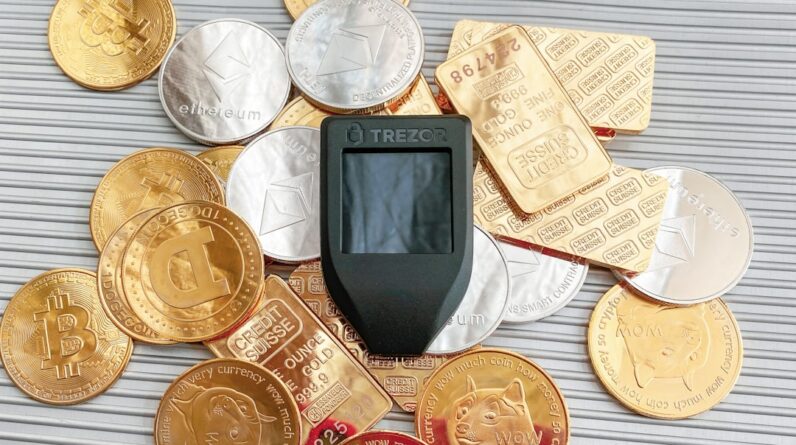
In addition to selecting a secure exchange, consider using hardware wallets to store your cryptocurrencies. Unlike online wallets that are vulnerable to hacking attempts, hardware wallets store your private keys offline, providing an extra layer of protection against cyber threats.
Additional Security Measures
Regularly updating your software and being vigilant about phishing attempts are also crucial steps in safeguarding your investments. By taking these proactive measures, you can significantly reduce your risk exposure in the cryptocurrency space.
Comparison of Cryptocurrency Security to Traditional Investments
When evaluating cryptocurrency security, it is essential to compare it with traditional investments such as stocks and bonds. While both asset classes carry risks, the nature of those risks differs significantly. Traditional investments are typically regulated by government agencies, providing a level of oversight that can enhance investor protection.
In contrast, cryptocurrencies operate in a largely unregulated environment, which can expose investors to greater risks. However, traditional investments are not without their vulnerabilities either. Market manipulation, insider trading, and economic downturns can impact stock prices just as dramatically as market sentiment affects cryptocurrency values.
As you weigh your investment options, consider how each asset class aligns with your risk tolerance and investment strategy. Understanding these differences will help you make informed decisions about where to allocate your resources.
The Future of Cryptocurrency Security
As you look ahead to the future of cryptocurrency security, it is clear that this landscape will continue to evolve rapidly. Innovations in blockchain technology may lead to enhanced security measures that address current vulnerabilities while fostering greater trust among users. Additionally, as regulatory frameworks become more defined globally, you may see increased consumer protection measures that bolster confidence in cryptocurrency investments.
However, challenges will persist as well. Cybersecurity threats will continue to evolve alongside technological advancements, necessitating ongoing vigilance from investors like yourself. The future of cryptocurrency security will likely hinge on a delicate balance between innovation and regulation—ensuring that while new opportunities arise, adequate protections are in place to safeguard investors’ interests.
In conclusion, as you navigate the complex world of cryptocurrencies, understanding security concerns is paramount. By staying informed about potential risks and implementing effective security measures, you can position yourself for success in this dynamic market while contributing to its overall growth and stability.
FAQs
What are cryptocurrencies?
Cryptocurrencies are digital or virtual currencies that use cryptography for security and operate independently of a central bank. They are decentralized and typically use blockchain technology to gain transparency and security.
Are cryptocurrencies a secure form of investment?
The security of cryptocurrencies as an investment can vary. While blockchain technology provides a high level of security, the market for cryptocurrencies can be volatile and susceptible to hacking and fraud.
What are the risks associated with investing in cryptocurrencies?
Some of the risks associated with investing in cryptocurrencies include price volatility, regulatory uncertainty, potential for hacking and fraud, and lack of consumer protection.
What measures can be taken to secure cryptocurrency investments?
Investors can take measures to secure their cryptocurrency investments, such as using secure wallets, implementing two-factor authentication, and staying informed about potential security threats and best practices.
What are some factors to consider before investing in cryptocurrencies?
Before investing in cryptocurrencies, it is important to consider factors such as the level of risk tolerance, understanding of the market and technology, regulatory environment, and potential for long-term growth or decline.