What if you decided to invest $100 in Bitcoin? What could that mean for you in terms of financial opportunity or risk? Bitcoin, the world’s first decentralized digital currency, has made headlines since its inception in 2009, captivating the imaginations of investors, tech enthusiasts, and even the general public alike. So, what does putting $100 into Bitcoin actually entail? Let’s take a closer look.
Understanding Bitcoin Basics
Before you think about investing, it’s crucial to understand what Bitcoin is and how it operates. Bitcoin is a form of cryptocurrency, which means it uses cryptography for security and operates on a technology called blockchain. The blockchain is a transparent, decentralized ledger that records all transactions.
What is Bitcoin?
Bitcoin is often referred to as digital gold. Instead of physical coins, Bitcoin exists only in a digital format. It is created through a process called mining, where powerful computers solve complex mathematical problems to validate transactions on the blockchain. You might be wondering where the value comes from. Essentially, Bitcoin’s value stems from supply and demand dynamics, technology, and the trust users place in the network.
How Does Blockchain Work?
Blockchain technology allows Bitcoin to operate without a central authority, such as a bank or government. So, transactions can be made between users directly, without intermediaries. Each block contains a list of transactions and is added to the chain in a linear, chronological order. This innovative structure ensures security and transparency, making fraud harder to achieve.
The Current State of Bitcoin
As of your reading, Bitcoin has experienced significant volatility over the years. It has reached astronomical highs, with ups and downs that can leave casual investors feeling bewildered. Understanding the current state of Bitcoin is essential before you make moves with your $100.
Bitcoin’s Price Trends
When you think about investing, tracking price trends is invaluable. Bitcoin has seen a remarkable rise since its creation, but it hasn’t been a straight line. Here’s a quick look at Bitcoin’s price in recent years:
| Year | Bitcoin Price (Approx) |
|---|---|
| 2010 | $0.08 |
| 2015 | $500 |
| 2020 | $7,200 |
| 2021 | $64,000 |
| 2023 | $30,000 (Approx) |
This table illustrates just how much Bitcoin’s price has fluctuated. Your $100 investment today might buy you significantly less Bitcoin than it would have just a few years ago.
Factors Influencing Bitcoin Prices
Several elements contribute to Bitcoin’s price fluctuations, including:
- Supply and Demand: Like any commodity, when demand outstrips supply, prices rise.
- Market Sentiment: News events can lead to sudden spikes or drops in price.
- Regulatory Environment: Changes in laws around cryptocurrency can impact price.
- Technological Developments: Updates or improvements to the Bitcoin protocol can influence its perceived value.
Understanding these factors will help you navigate the world of Bitcoin more confidently.

Making Your First Investment
Now that you have a solid grasp of what Bitcoin is, let’s focus on how you can invest your $100 effectively.
Choosing a Cryptocurrency Exchange
Your first step will be selecting a cryptocurrency exchange or platform where you can purchase Bitcoin. Some popular exchanges include Coinbase, Binance, and Kraken. Each has its own fee structure, user interface, and range of services.
Tips for Selecting an Exchange:
- User Friendliness: Look for an exchange that is straightforward and easy for beginners to navigate.
- Security Measures: Research how the platform secures user data and assets.
- Fees: Compare transaction fees, withdrawal fees, and any other charges.
Setting Up Your Account
Once you’ve chosen an exchange, you’ll need to create an account. This typically involves providing some personal information and going through a verification process. While this may feel tedious, it’s a necessary step for security and regulatory compliance.
Funding Your Account
After setting up your account, the next step is funding it. You can transfer money from a bank account or credit card, depending on the platform’s accepted methods. Remember that the exchange might impose certain fees for deposits or trades.
Buying Bitcoin
When your account is funded, buying Bitcoin should be fairly straightforward. You’ll have the option to buy specific amounts. With $100, you may choose to purchase a fraction of Bitcoin since most exchanges allow fractional investments.
What Happens to Your $100 Investment?
So, you’ve purchased Bitcoin with your $100. What happens next?
Holding Bitcoin
After acquiring Bitcoin, you have a few choices: holding it, trading it for other cryptocurrencies, or even cashing out into fiat currency later. If you decide to hold, you’ll witness how the market shifts and how your investment performs over time.
Long-Term Holding (HODL)
Many investors practice what’s known as “HODLing”—a playful term derived from a misspelled forum post that means holding onto your assets for the long term. If approached strategically, this in itself can yield substantial returns when Bitcoin appreciates over the years.
Trading Bitcoin
Alternatively, you might consider trading. Trading cryptocurrency can be more intricate and requires a solid understanding of market dynamics. You might employ technical analysis, market trends, or even algorithms to assist in your trading decisions.
Risks of Trading
While trading has the potential to multiply your investment quickly, it’s also fraught with high risks. Prices can shift dramatically within minutes, and the emotional toll of these swings can be challenging.
Cashing Out
If your investment appreciates significantly, you may want to cash out at some point. Cashing out refers to selling your Bitcoin for fiat currency, such as the US dollar. Fees for withdrawing and selling can vary by exchange, so keeping this in mind is essential to avoid unexpected costs.

The Risks of Investing in Bitcoin
While the potential rewards can be substantial, it’s essential to be aware of the risks that come with investing in Bitcoin.
Volatility
Bitcoin is notoriously volatile. One day it may soar to new heights, and the next it can plummet. This volatility can lead to rapid profits or losses, depending on market conditions.
Regulatory Risks
The regulatory landscape surrounding cryptocurrencies is constantly evolving. Governments and financial institutions around the world are still trying to understand how to approach cryptocurrencies. Such regulations can affect not only prices but how easily you can use or exchange Bitcoin.
Security Risks
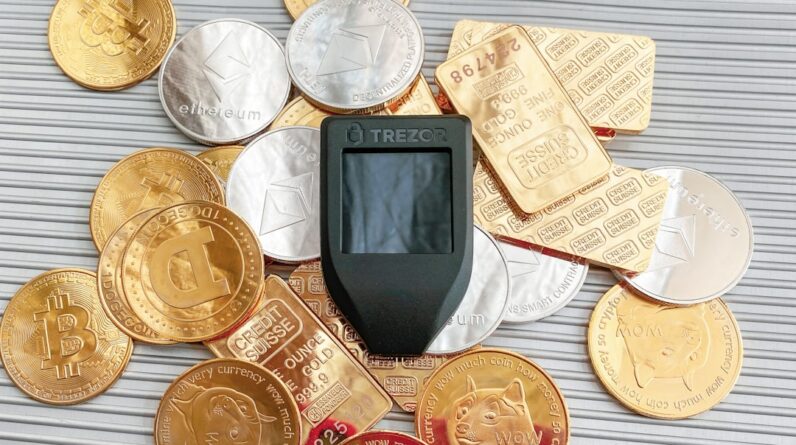
Storing your Bitcoin securely is crucial. While exchanges implement various security measures, they are not foolproof. Hacks and scams have occurred, so it’s advisable to consider transferring your Bitcoin to a personal wallet for better protection.
Types of Wallets
- Hot Wallets: These are wallets connected to the internet, allowing quick access to funds but are more vulnerable to hacks.
- Cold Wallets: These are offline storage methods, such as hardware wallets. They offer enhanced security but can be less convenient for quick transactions.
Bitcoin’s Future Outlook
What does the future hold for Bitcoin? While no one can predict with certainty, various factors may shape its trajectory.
Institutional Interest
More and more institutional investors are showing interest in Bitcoin. Major companies like Tesla and Square have held Bitcoin on their balance sheets, signaling a growing acceptance in traditional finance.
Technological Changes
Improvements and upgrades, such as the potential transition from proof-of-work to more sustainable practices, could enhance Bitcoin’s appeal and practical use. These upgrades could attract an even broader audience—both casual users and investors.
Regulatory Landscape
The coming years will likely see more defined regulations governing cryptocurrencies, which can have both positive and negative effects. Clear regulations may buttress Bitcoin’s legitimacy, while restrictions could dampen enthusiasm.

Conclusion
You may be wondering what your future could look like if you invest $100 in Bitcoin. Yes, the potential is thrilling, but so are the risks. By understanding Bitcoin’s basics, the current trends, carefully selecting an exchange, and considering long-term strategies, you can position yourself to make informed decisions.
Just remember to stay cautious. The world of cryptocurrency is laden with uncertainty, but also opportunity. Whether you decide to hold, trade, or become more actively involved in the crypto space, make sure to keep your knowledge up to date. In essence, keep learning, stay engaged, and be smart about your investments. After all, your financial future deserves your attention and care.