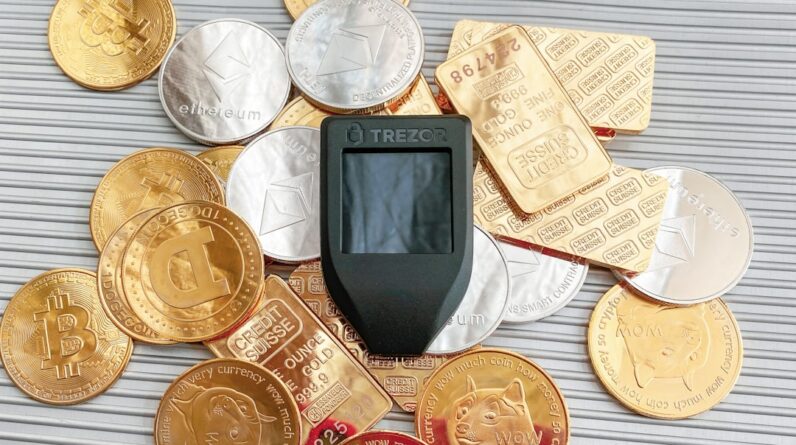
In recent years, the cryptocurrency landscape has witnessed a remarkable transformation, primarily driven by the emergence and proliferation of altcoins. While Bitcoin remains the flagship cryptocurrency, altcoins have carved out their own niches, attracting a diverse array of investors and users. The term “altcoin” refers to any cryptocurrency other than Bitcoin, and it encompasses thousands of different digital currencies, each with unique features and purposes.
This rise can be attributed to several factors, including technological innovation, market demand, and the desire for alternatives to Bitcoin. As you delve into the world of altcoins, you will find that many of them were created to address specific issues or to enhance the capabilities of blockchain technology. For instance, Ethereum introduced smart contracts, enabling developers to build decentralized applications (dApps) on its platform.
Other altcoins, like Ripple and Litecoin, have focused on improving transaction speeds and reducing costs. This diversification has not only expanded the cryptocurrency market but has also fostered a sense of competition that drives innovation and development within the space.
Key Takeaways
- Altcoins have seen a significant rise in popularity and adoption, offering alternatives to Bitcoin with unique features and use cases.
- Altcoins have had a major impact on the cryptocurrency market, influencing trends, trading volumes, and market dynamics.
- Technological advancements in altcoins have led to innovations such as smart contracts, privacy features, and scalability solutions.
- The diversification of altcoins has created a wide range of options for investors and users, catering to different needs and preferences.
- Altcoins face challenges such as regulatory uncertainty and market volatility, but also present opportunities for innovation and growth in the cryptocurrency space.
- Altcoins serve various use cases including decentralized finance (DeFi), non-fungible tokens (NFTs), and cross-border payments, expanding the potential applications of blockchain technology.
- The future of altcoins is promising, with ongoing development and adoption expected to drive further growth and evolution in the market.
- Key considerations for investing in altcoins include thorough research, understanding the technology and team behind the project, and assessing the potential risks and rewards.
The Impact of Altcoins on the Cryptocurrency Market
The rise of altcoins has significantly impacted the overall cryptocurrency market, reshaping investor sentiment and market dynamics. As altcoins gain traction, they often lead to increased trading volumes and market capitalization, which can create a more vibrant ecosystem for digital assets. You may notice that as new altcoins emerge, they often attract attention from both retail and institutional investors, leading to heightened interest in the entire cryptocurrency sector.
Moreover, the presence of altcoins has contributed to a more diverse investment landscape. With thousands of options available, you can tailor your investment strategy to align with your risk tolerance and financial goals. This diversification can help mitigate risks associated with investing in a single asset like Bitcoin.
However, it also introduces complexities, as you must navigate the myriad of choices and evaluate the potential of each altcoin based on its technology, use case, and market position.
The Technological Advancements of Altcoins

One of the most compelling aspects of altcoins is their role in driving technological advancements within the blockchain space. Many altcoins are built on innovative protocols that enhance scalability, security, and functionality. For example, Cardano employs a unique proof-of-stake consensus mechanism that aims to improve energy efficiency while maintaining decentralization.
As you explore these advancements, you will find that they often address limitations present in earlier cryptocurrencies. Additionally, altcoins frequently experiment with new features that push the boundaries of what blockchain technology can achieve. You might encounter projects focused on privacy enhancements, such as Monero and Zcash, which prioritize user anonymity in transactions.
Others may emphasize interoperability between different blockchains, allowing for seamless communication and data exchange across platforms. These technological innovations not only enhance the capabilities of individual altcoins but also contribute to the overall evolution of the cryptocurrency ecosystem.
The Diversification of Altcoins
The sheer variety of altcoins available today offers you an unprecedented opportunity for diversification in your investment portfolio. With thousands of options at your fingertips, you can explore various sectors within the cryptocurrency market, including decentralized finance (DeFi), non-fungible tokens (NFTs), and stablecoins. Each category presents unique investment opportunities and risks, allowing you to tailor your strategy based on your interests and financial objectives.
As you consider diversifying your investments with altcoins, it’s essential to conduct thorough research on each project. Understanding the underlying technology, use case, and team behind an altcoin can help you make informed decisions. Additionally, diversification can serve as a hedge against volatility; while Bitcoin may experience significant price fluctuations, other altcoins may perform differently under various market conditions.
This strategy can help you manage risk while still participating in the potential growth of the cryptocurrency market.
The Challenges and Opportunities for Altcoins
While the rise of altcoins presents numerous opportunities for investors and users alike, it is not without its challenges. One significant hurdle is regulatory uncertainty; as governments around the world grapple with how to classify and regulate cryptocurrencies, altcoins may face scrutiny that could impact their adoption and value. You may find that staying informed about regulatory developments is crucial for navigating this evolving landscape.
Another challenge lies in the sheer number of altcoins available. With thousands of projects vying for attention, it can be overwhelming to discern which ones have genuine potential and which may be mere speculative bubbles. As an investor, you must exercise due diligence and critically evaluate each project’s fundamentals before committing your resources.
However, this challenge also presents an opportunity; by identifying promising altcoins early on, you could position yourself for significant gains as these projects mature and gain traction in the market.
Altcoins and Their Use Cases

Addressing Real-World Problems
Many altcoins are designed to solve specific issues or improve existing systems. For example, Chainlink provides decentralized oracles that enable smart contracts to access off-chain data securely. This functionality is crucial for various applications in finance, insurance, and supply chain management.
Social Impact and Community-Driven Initiatives
Some altcoins focus on social impact or community-driven initiatives. Projects like Basic Attention Token (BAT) aim to revolutionize digital advertising by rewarding users for their attention while providing advertisers with more effective targeting options.
Evaluating Altcoin Use Cases
When considering investing in altcoins, it’s essential to evaluate their use cases critically. Understanding how a particular project addresses a specific need can provide valuable insights into its long-term viability and potential for growth.
The Future of Altcoins
Looking ahead, the future of altcoins appears promising yet uncertain. As blockchain technology continues to evolve, you can expect ongoing innovation within the altcoin space. New projects will likely emerge that leverage advancements in artificial intelligence, machine learning, and other cutting-edge technologies to create even more sophisticated solutions.
This constant evolution will keep the cryptocurrency market dynamic and may lead to new trends that reshape how we think about digital assets. However, challenges such as regulatory scrutiny and market volatility will persist. As an investor or enthusiast in this space, it’s crucial to remain adaptable and informed about emerging trends and potential risks.
The future may hold exciting opportunities for those willing to navigate this complex landscape thoughtfully. By staying engaged with developments in the altcoin market and continuously educating yourself about new projects and technologies, you can position yourself to capitalize on future growth.
Key Considerations for Investing in Altcoins
When considering investing in altcoins, there are several key factors you should keep in mind to make informed decisions. First and foremost is conducting thorough research on each project. Look into the team behind the altcoin, their track record in the industry, and their vision for the future.
Understanding the technology behind the coin and its use case will help you gauge its potential for success. Additionally, consider your risk tolerance when investing in altcoins. The volatility associated with these assets can be significant; prices can fluctuate dramatically within short periods.
Diversifying your portfolio by investing in multiple altcoins can help mitigate some risks while still allowing you to participate in potential gains across different projects. Finally, stay updated on market trends and regulatory developments that could impact your investments; being informed will empower you to make strategic decisions as you navigate this exciting yet unpredictable landscape. In conclusion, the rise of altcoins has transformed the cryptocurrency market in profound ways.
From technological advancements to diverse use cases and investment opportunities, altcoins offer a wealth of possibilities for those willing to explore them. By understanding their impact on the market and considering key factors when investing, you can position yourself for success in this ever-evolving digital landscape.
FAQs
What are altcoins?
Altcoins are alternative cryptocurrencies to Bitcoin. They were created as alternatives to Bitcoin and operate on their own independent blockchain networks.
How have altcoins evolved beyond Bitcoin?
Altcoins have evolved beyond Bitcoin by offering different features and functionalities. They have introduced new consensus mechanisms, privacy features, smart contract capabilities, and other innovations that differentiate them from Bitcoin.
What are some examples of altcoins?
Some examples of altcoins include Ethereum, Ripple, Litecoin, and Cardano. These altcoins have gained popularity and market value, and each offers unique features and use cases.
What are the benefits of altcoins compared to Bitcoin?
Altcoins offer benefits such as faster transaction speeds, lower fees, enhanced privacy features, and the ability to support smart contracts and decentralized applications (dApps). These features make altcoins attractive for different use cases compared to Bitcoin.
What are the risks associated with investing in altcoins?
Investing in altcoins carries risks such as price volatility, regulatory uncertainty, security vulnerabilities, and the potential for project failure. It’s important for investors to conduct thorough research and due diligence before investing in altcoins.