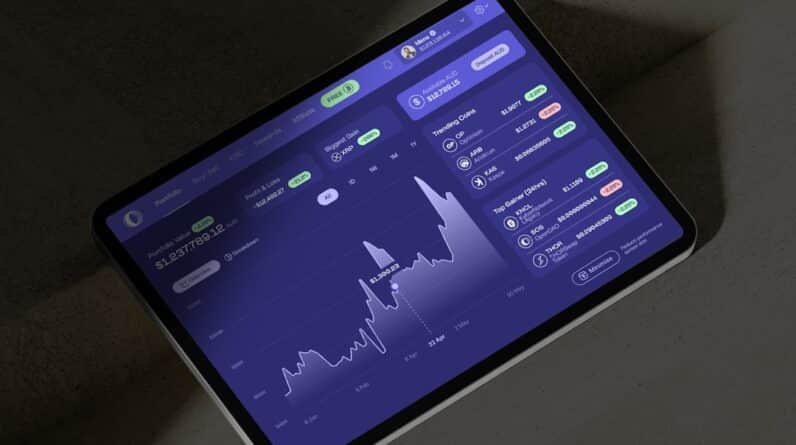
Have you ever thought about creating your own cryptocurrency while sitting in your bedroom? The idea might seem whimsical, but with the right knowledge and tools, it’s more feasible than you might think. Cryptocurrency has gained immense popularity, and many dream of creating their own digital currency. The question is, what does it actually take to make that happen?

Understanding Cryptocurrency
Before you embark on your journey to create your own cryptocurrency, it’s crucial to understand what cryptocurrency is. In its essence, cryptocurrency is a form of digital or virtual currency that uses cryptography for security. Unlike traditional currencies, cryptocurrencies operate on technology called blockchain, a decentralized ledger that records all transactions.
The Basics of Blockchain Technology
At the heart of most cryptocurrencies is blockchain technology, which enables secure, transparent transactions without a central authority. Each block in the chain contains transaction data, a timestamp, and a reference to the previous block, linking them together. This structure makes it nearly impossible to alter any data once recorded, enhancing security and trust.
What Makes Cryptocurrency Special?
Cryptocurrencies are particularly appealing due to their decentralized nature, limited supply, and potential for anonymity. This means no single entity controls them, making them immune to government intervention or inflationary pressures that affect fiat currencies. However, their value can be highly volatile, leading to significant risks.
The Steps to Creating Your Own Cryptocurrency
Now that you have a basic understanding of cryptocurrencies and blockchain, let’s dive into the steps you can take to create your own cryptocurrency.
Step 1: Define Your Purpose
What do you want to achieve with your cryptocurrency? Defining a clear purpose is crucial. Are you looking to solve a specific problem, facilitate transactions, or create a new ecosystem? Understanding your goal will guide many of your decisions moving forward.
Step 2: Choose the Right Blockchain Platform
You have multiple options when it comes to the platform for your cryptocurrency. Here are some popular ones:
| Platform | Best For | Technical Skill Level |
|---|---|---|
| Ethereum | Smart contracts and DApps | Moderate to High |
| Binance Smart Chain | Low transaction fees | Low to Moderate |
| Solana | High-speed transactions | Moderate |
| Cardano | Academic approach to development | Moderate to High |
Consider your technical expertise, your goals, and the specific features you want before choosing a platform. Each has its strengths and weaknesses, so doing your research is essential.
Step 3: Decide on a Consensus Mechanism
Consensus mechanisms are vital to how transactions are validated in blockchain technology. The two most common are:
- Proof of Work (PoW): Miners solve complex mathematical problems to validate transactions. It requires significant computational power and is used by Bitcoin.
- Proof of Stake (PoS): Validators hold coins to confirm transactions, which is more energy-efficient compared to PoW.
Your choice of consensus mechanism will impact the efficiency, security, and scalability of your cryptocurrency.
Step 4: Design Your Nodes
Nodes are fundamental components of a cryptocurrency network. They can be public, private, or a combination of both, depending on how you envision your currency operating. Consider the following when designing your nodes:
- Public Nodes: Anyone can participate in the network, making it fully decentralized.
- Private Nodes: Restricted access can enhance privacy and control but reduces decentralization.
Think about what aligns best with your goals and values.
Step 5: Establish Blockchain’s Internal Architecture
Determining how your blockchain will function at a technical level is crucial. This includes:
- Permissions: Will users need permission to access the network?
- Key Management: How will users manage their private keys?
- Data Structure: How will you’ll organize data for transactions?
Having a clear structure helps create a more efficient ecosystem and enhances user experience.
Step 6: Integrate APIs
Application Programming Interfaces (APIs) can significantly enhance the functionality of your cryptocurrency. They allow your platform to interact with external applications and services, which can enrich the user experience.
Consider these common APIs that you might find useful:
| API Type | Purpose |
|---|---|
| Payment APIs | Facilitate transactions and payments |
| Wallet APIs | Enable users to manage their wallets |
| Data APIs | Provide market information and historical data |
Choosing the right APIs can elevate your cryptocurrency’s functionality and appeal.
Step 7: Design User Interfaces
The success of your cryptocurrency can hinge on how user-friendly the interface is. Spend time designing intuitive and easy-to-navigate interfaces for your users. Consider the following aspects:
- Wallet Interface: Users should easily understand how to send, receive, and manage their coins.
- Exchange Interface: If your cryptocurrency will be tradable, a clean and informative exchange interface is crucial.
Remember, first impressions matter. A polished interface often results in higher adoption rates.
Legal Considerations
Creating and launching a cryptocurrency isn’t just about the tech; legal considerations are paramount. Regulations vary by country, and it’s essential to understand the legal landscape surrounding cryptocurrencies in your jurisdiction.
Compliance with Regulations
Before proceeding with your cryptocurrency launch, investigate the regulations that apply. Key considerations may include:
- Securities Laws: Does your cryptocurrency qualify as a security? If it does, you’ll need to comply with securities regulations.
- KYC and AML: Know Your Customer (KYC) and Anti-Money Laundering (AML) regulations may require you to verify the identities of your users.
- Tax Regulations: Understand how cryptocurrencies are taxed in your jurisdiction to ensure compliance.
Consulting with a legal expert familiar with cryptocurrency is advisable to navigate these regulations effectively.
Marketing Your Cryptocurrency
Once you’ve developed your cryptocurrency, the next step is to market it. You want to generate interest and adoption among potential users.
Building a Community
Having a community around your cryptocurrency can significantly enhance its success. Consider these strategies to build and engage your community:
- Social Media: Use platforms like Twitter, Reddit, and Discord to engage with your audience and share updates.
- Influencer Partnerships: Collaborate with cryptocurrency influencers to help promote your project and reach wider audiences.
- Educational Content: Providing users with educational resources regarding your cryptocurrency can foster trust and understanding.
Creating a loyal community can be a game-changer in establishing legitimacy and engagement for your cryptocurrency.
Launching an Initial Coin Offering (ICO)
If your plan involves raising funds, consider launching an ICO. This is a fundraising mechanism where new cryptocurrencies sell to investors in exchange for established cryptocurrencies like Bitcoin or Ethereum.
However, keep in mind that ICOs are subject to scrutiny, so it’s vital to ensure full compliance with regulations and maintain transparency.
Offering Incentives
Incentivizing early adopters can help garner initial interest. This could include:
| Incentive Type | Description |
|---|---|
| Airdrops | Free tokens to users who meet specified criteria |
| Referral Programs | Rewards for users who bring in new participants |
| Discounts on Fees | Lower transaction fees for early users |
Incentives can create buzz and encourage users to get involved early on.

Maintenance and Updates
Creating your cryptocurrency is just the beginning; maintaining and updating it is crucial for longevity. Continuous assessment and improvement will help keep your community engaged and your technology up-to-date.
Regular Updates
Stay active with regular updates to inform your users about enhancements, features, or necessary changes. Consider the following:
- Technical Updates: Relay information about security updates or features.
- Community Engagement: Share insights, plans for future development, or respond to user feedback.
Transparent communication creates trust and keeps the community engaged.
Bug Fixes and Security Enhancements
Regularly assess the security of your cryptocurrency and fix any bugs promptly. Consider implementing routine audits to identify and address vulnerabilities before they become significant issues.
Potential Challenges
While the prospect of creating your own cryptocurrency is exciting, be aware of potential challenges.
High Competition
Cryptocurrency is an increasingly crowded space, with thousands of currencies vying for attention. Finding a unique value proposition is key to standing out.
Regulatory Hurdles
Navigating the legal landscape can be daunting. Regulations can change quickly, and what works now might not be compliant tomorrow. Staying informed is crucial.
Technical Expertise
Developing a cryptocurrency requires a certain level of technical skill. If you’re not well-versed in programming, consider partnering with a skilled developer or team.

Conclusion
Creating your own cryptocurrency from the comfort of your bedroom is more achievable than ever, thanks to technology and resources available today. By understanding blockchain, defining your purpose, and navigating the necessary legal and technical aspects, you can bring your vision to life.
With dedication, community building, and ongoing maintenance, your cryptocurrency could thrive in the bustling digital economy. Stay aware of challenges, and don’t hesitate to seek guidance when needed. Your journey into the world of digital currency can be as rewarding as it is exciting!