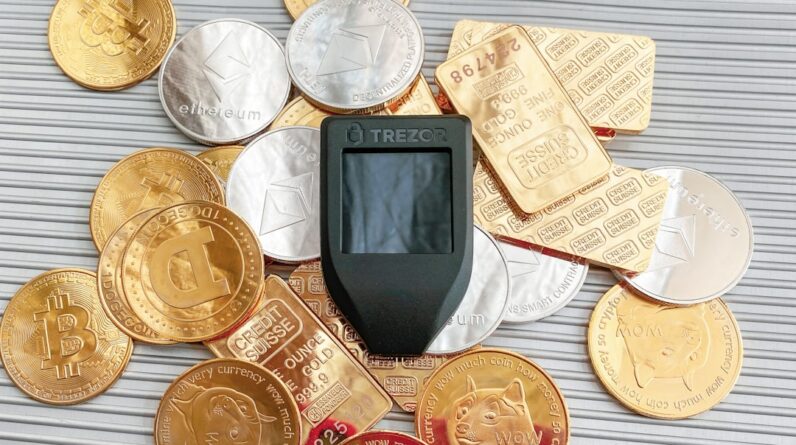
As you navigate through the landscape of personal finance, it’s fascinating to observe how wallets have transformed over the years. Initially, wallets were simple leather pouches designed to carry coins and paper currency. They served a practical purpose, allowing individuals to store their money securely while providing easy access for transactions.
As society evolved and the use of credit and debit cards became prevalent, wallets adapted to accommodate these new forms of payment. You may remember the days when a wallet was a bulky accessory, stuffed with cards, cash, and receipts, reflecting your financial habits and lifestyle. Today, the concept of a wallet has undergone a radical transformation with the advent of digital technology.
Digital wallets, or e-wallets, have emerged as a convenient alternative to their physical counterparts. These virtual wallets allow you to store not only traditional currency but also cryptocurrencies, loyalty cards, and even tickets for events. The shift from physical to digital wallets signifies a broader trend towards cashless transactions, driven by the need for speed and efficiency in an increasingly fast-paced world.
As you embrace this change, you may find that digital wallets offer enhanced security features and ease of use, making them an attractive option for managing your finances.
Key Takeaways
- Wallets have evolved from physical to digital, allowing for easier access and management of cryptocurrency.
- The importance of keys in cryptocurrency security cannot be overstated, as they are essential for accessing and protecting digital assets.
- Understanding blockchain technology is crucial for grasping the concept of cryptocurrency and its secure, decentralized nature.
- Different types of wallets, such as hot and cold wallets, offer varying levels of security and accessibility for cryptocurrency holders.
- Private and public keys play a vital role in cryptocurrency transactions, ensuring secure and verifiable exchanges of digital assets.
The Importance of Keys in Cryptocurrency Security
When you delve into the world of cryptocurrency, understanding the significance of keys becomes paramount. In this digital realm, your keys serve as the gatekeepers to your assets. Each cryptocurrency wallet is equipped with a pair of keys: a public key and a private key.
The public key functions like your bank account number; it can be shared with others to receive funds. However, the private key is akin to your password; it must be kept secret and secure at all costs. If someone gains access to your private key, they can control your cryptocurrency holdings without your consent.
The importance of safeguarding your private key cannot be overstated. You may have heard stories of individuals losing their life savings due to compromised keys or inadequate security measures. To protect yourself, consider using hardware wallets or secure software solutions that offer robust encryption.
Additionally, employing two-factor authentication can add an extra layer of security to your cryptocurrency transactions. By prioritizing the protection of your keys, you can ensure that your digital assets remain safe from potential threats.
Understanding Blockchain Technology

To fully appreciate the world of cryptocurrency, it’s essential to grasp the underlying technology that powers it: blockchain. At its core, blockchain is a decentralized ledger that records transactions across multiple computers in a secure and transparent manner. This technology eliminates the need for intermediaries, such as banks or payment processors, allowing for peer-to-peer transactions that are both efficient and cost-effective.
As you explore blockchain, you’ll discover its potential to revolutionize various industries beyond finance. One of the most compelling aspects of blockchain technology is its immutability. Once a transaction is recorded on the blockchain, it cannot be altered or deleted, ensuring a permanent and verifiable record.
This feature enhances trust among users, as everyone can access the same information without relying on a central authority. As you consider the implications of blockchain technology, think about how it could transform supply chains, voting systems, and even healthcare records by providing transparency and accountability in ways that were previously unimaginable.
Different Types of Wallets: Hot vs Cold
As you venture further into cryptocurrency ownership, understanding the different types of wallets available is crucial for managing your assets effectively. Wallets can be broadly categorized into two types: hot wallets and cold wallets. Hot wallets are connected to the internet and are designed for quick access and convenience.
They are ideal for everyday transactions and trading but come with increased security risks due to their online nature. If you frequently buy or sell cryptocurrencies, you might find hot wallets appealing for their ease of use. On the other hand, cold wallets offer a more secure option for long-term storage of your digital assets.
These wallets are not connected to the internet, making them less vulnerable to hacking attempts and cyber threats. Cold wallets can take various forms, including hardware devices or even paper wallets where your keys are printed out and stored offline. If you plan to hold onto your cryptocurrencies for an extended period without frequent transactions, cold wallets may provide you with peace of mind knowing that your assets are safeguarded from online risks.
The Role of Private and Public Keys in Cryptocurrency Transactions
In the realm of cryptocurrency transactions, understanding the roles of private and public keys is essential for navigating this digital landscape securely. When you initiate a transaction, you use your private key to sign it, effectively proving that you are the rightful owner of the funds being transferred. This cryptographic signature ensures that only you can authorize the transaction, adding a layer of security that is fundamental to the integrity of cryptocurrency systems.
Conversely, the public key acts as your address on the blockchain where others can send you funds. It’s important to remember that while you can share your public key freely without compromising your security, your private key must remain confidential at all times. This dual-key system not only facilitates secure transactions but also enhances privacy by allowing users to maintain anonymity while engaging in financial activities.
As you engage with cryptocurrencies, keeping these key roles in mind will help you navigate transactions with confidence.
The Impact of Blockchain Technology on Financial Systems

Democratizing Access to Financial Services
This shift has the potential to democratize access to financial services, particularly in underserved regions where banking infrastructure is lacking. Moreover, blockchain technology enhances transparency and reduces fraud in financial transactions. With every transaction recorded on an immutable ledger accessible to all participants in the network, trust is built through transparency rather than reliance on third-party verification.
Enhancing Transparency and Reducing Fraud
The decentralized nature of blockchain technology allows for a more secure and transparent financial system. By recording every transaction on an immutable ledger, blockchain reduces the risk of fraud and builds trust among participants in the network.
Reshaping the Future of Finance
As you consider the future of finance, think about how blockchain could reshape lending practices, cross-border payments, and even investment opportunities by creating more efficient and equitable systems.
Tips for Securely Storing Cryptocurrency
As you embark on your cryptocurrency journey, ensuring the security of your digital assets should be a top priority. Here are some practical tips to help you store your cryptocurrencies securely. First and foremost, consider using hardware wallets for long-term storage.
These devices keep your private keys offline and away from potential online threats, providing an added layer of protection against hacking attempts. Additionally, always enable two-factor authentication (2FA) on any exchange or wallet service you use. This extra step requires not only your password but also a second form of verification—such as a code sent to your mobile device—making it significantly harder for unauthorized users to gain access to your accounts.
Regularly updating your passwords and using strong, unique combinations can further enhance your security posture. By implementing these strategies, you can safeguard your cryptocurrency investments against potential risks.
The Future of Cryptocurrency Technology
Looking ahead, the future of cryptocurrency technology appears promising yet complex. As more individuals and institutions embrace digital currencies, we can expect continued innovation in this space. One potential development is the integration of cryptocurrencies into mainstream financial systems, allowing for seamless transactions between traditional currencies and digital assets.
This convergence could lead to greater acceptance and usage of cryptocurrencies in everyday life. Moreover, advancements in blockchain technology may pave the way for new applications beyond finance. From supply chain management to identity verification, the potential uses for blockchain are vast and varied.
As you keep an eye on these trends, consider how they might impact not only your personal investments but also the broader economic landscape. The evolution of cryptocurrency technology is just beginning, and staying informed will empower you to navigate this dynamic environment effectively.
FAQs
What is cryptocurrency technology?
Cryptocurrency technology refers to the underlying infrastructure and protocols that enable the existence and operation of digital currencies such as Bitcoin, Ethereum, and others. It includes concepts such as blockchain, wallets, keys, and mining.
What is a cryptocurrency wallet?
A cryptocurrency wallet is a digital tool that allows users to store, send, and receive their digital assets, such as Bitcoin or Ethereum. It stores the user’s private keys, which are used to access and manage their cryptocurrency holdings.
What are cryptocurrency keys?
Cryptocurrency keys are digital codes that are used to access and control a user’s cryptocurrency holdings. There are two types of keys: public keys, which are used to receive funds, and private keys, which are used to authorize the sending of funds.
What is a blockchain?
A blockchain is a decentralized and distributed digital ledger that records all transactions across a network of computers. It is the technology that underpins most cryptocurrencies and ensures the security and immutability of transaction data.
What is cryptocurrency mining?
Cryptocurrency mining is the process by which new transactions are added to a blockchain and new coins are minted. It involves solving complex mathematical puzzles using computer hardware, and it is essential for the security and operation of many cryptocurrencies.