To embark on your journey into the world of cryptocurrency, it is essential to grasp the fundamental concepts that underpin this digital revolution. At its core, cryptocurrency is a form of digital or virtual currency that uses cryptography for security. Unlike traditional currencies issued by governments, cryptocurrencies operate on decentralized networks based on blockchain technology.
This means that transactions are recorded on a public ledger, ensuring transparency and security while eliminating the need for intermediaries like banks. As you delve deeper into the realm of cryptocurrency, you will encounter various types of digital currencies, each with its unique features and purposes. Bitcoin, the first and most well-known cryptocurrency, paved the way for thousands of alternatives, often referred to as altcoins.
These can range from Ethereum, which enables smart contracts and decentralized applications, to stablecoins designed to maintain a stable value against fiat currencies. Understanding these distinctions will empower you to make informed decisions as you navigate the ever-evolving landscape of digital assets.
Key Takeaways
- Cryptocurrency is a digital or virtual form of currency that uses cryptography for security and operates independently of a central bank.
- When choosing a cryptocurrency exchange, consider factors such as security, fees, available cryptocurrencies, and user interface.
- Setting up a secure wallet is essential for storing and managing your cryptocurrency assets, and options include hardware, software, and paper wallets.
- Research and analyze cryptocurrency projects by considering factors such as technology, team, community, and market potential.
- Creating a diversified portfolio can help spread risk and maximize potential returns by investing in a variety of cryptocurrencies and projects.
Choosing the Right Cryptocurrency Exchange
Key Factors to Consider
Start by considering factors such as user experience, trading fees, and the variety of cryptocurrencies available for trading. Some exchanges cater to beginners with user-friendly interfaces, while others may offer advanced trading tools for seasoned investors.
Security Measures
Security should be at the forefront of your decision-making process. Look for exchanges that implement robust security measures, such as two-factor authentication (2FA), cold storage for funds, and a solid track record of protecting user assets.
Regulatory Compliance
Additionally, consider the regulatory compliance of the exchange in your jurisdiction. A reputable exchange will adhere to local laws and regulations, providing you with an added layer of protection as you engage in cryptocurrency trading.
Setting Up a Secure Wallet

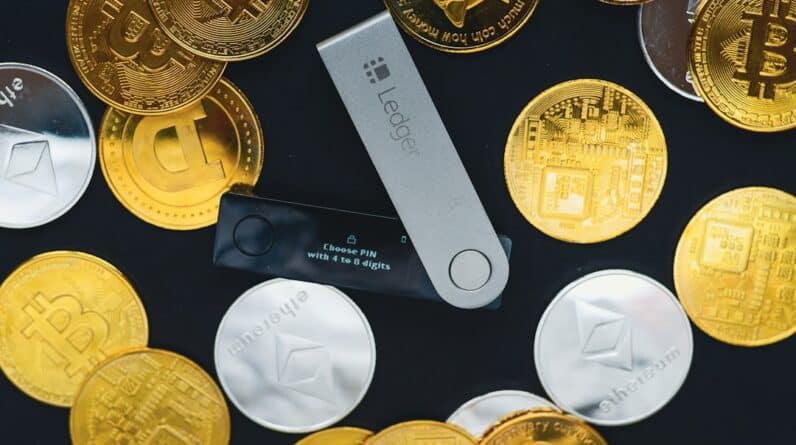
Once you have chosen an exchange and made your initial purchases, the next step is to set up a secure wallet to store your cryptocurrencies safely. Wallets come in various forms, including hardware wallets, software wallets, and mobile wallets. Hardware wallets are often considered the most secure option, as they store your private keys offline, making them less vulnerable to hacking attempts.
If you plan to hold your assets long-term, investing in a hardware wallet can provide peace of mind. On the other hand, software wallets offer convenience for daily transactions and trading. These wallets can be accessed via desktop or mobile applications and are generally user-friendly.
However, it’s essential to choose reputable software wallets with strong security features. Regardless of the type of wallet you select, always remember to back up your wallet and keep your recovery phrases secure. This precaution ensures that you can regain access to your funds in case of device loss or failure.
Researching and Analyzing Cryptocurrency Projects
Before investing in any cryptocurrency project, thorough research is paramount. Start by examining the project’s whitepaper, which outlines its goals, technology, and use cases. A well-written whitepaper should provide clear insights into how the project aims to solve real-world problems or improve existing systems.
Pay attention to the team behind the project; their experience and expertise can significantly influence its success. In addition to the whitepaper, consider exploring community engagement and sentiment surrounding the project. Platforms like Reddit and Twitter can provide valuable insights into how active and supportive the community is.
A strong community often indicates a project’s potential for growth and sustainability. Furthermore, keep an eye on partnerships and collaborations that may enhance the project’s credibility and market reach. By conducting comprehensive research and analysis, you can make informed investment decisions that align with your financial goals.
Creating a Diversified Portfolio
As you begin to invest in cryptocurrencies, creating a diversified portfolio is essential for managing risk and maximizing potential returns. Diversification involves spreading your investments across various assets rather than concentrating them in a single cryptocurrency. This strategy helps mitigate losses if one asset underperforms while allowing you to capitalize on gains from others.
When building your portfolio, consider allocating funds to different categories of cryptocurrencies. For instance, you might invest in established coins like Bitcoin and Ethereum while also exploring promising altcoins with growth potential. Additionally, consider including stablecoins to provide stability during market volatility.
By diversifying your investments across various assets and sectors within the cryptocurrency space, you can create a balanced portfolio that aligns with your risk tolerance and investment objectives.
Managing Risk and Setting Investment Goals

Investing in cryptocurrencies can be exhilarating but also comes with inherent risks due to market volatility. To navigate this landscape successfully, it’s crucial to establish clear investment goals and develop a risk management strategy. Start by defining your financial objectives—whether you aim for short-term gains or long-term wealth accumulation—and assess your risk tolerance accordingly.
Implementing risk management techniques can help protect your investments from significant losses. Consider setting stop-loss orders to automatically sell assets if they fall below a certain price point. Additionally, avoid investing more than you can afford to lose; this principle will help you maintain a level-headed approach during market fluctuations.
By combining well-defined investment goals with effective risk management strategies, you can enhance your chances of achieving success in the cryptocurrency market.
Staying Informed and Updated on Market Trends
The cryptocurrency market is dynamic and constantly evolving, making it essential for you to stay informed about current trends and developments. Regularly following reputable news sources, blogs, and social media channels dedicated to cryptocurrency can provide valuable insights into market movements and emerging technologies. Engaging with online communities can also help you gain different perspectives on market sentiment and potential investment opportunities.
Moreover, consider utilizing analytical tools and platforms that offer real-time data on price movements, trading volumes, and market capitalization. These resources can assist you in making informed decisions based on current market conditions rather than relying solely on speculation or hearsay. By staying updated on market trends and developments, you position yourself to adapt your investment strategy effectively in response to changing circumstances.
Seeking Professional Advice and Guidance
While self-education is vital in the world of cryptocurrency investing, seeking professional advice can provide additional insights and guidance tailored to your specific financial situation. Financial advisors with expertise in cryptocurrencies can help you navigate complex investment decisions while considering factors such as tax implications and regulatory compliance. When choosing a financial advisor, look for someone who understands both traditional finance and the unique aspects of cryptocurrency investing.
They should be able to provide personalized strategies that align with your investment goals while helping you manage risks effectively. By combining your knowledge with professional guidance, you can enhance your investment strategy and work towards achieving your financial aspirations in the ever-changing landscape of cryptocurrency. In conclusion, entering the world of cryptocurrency requires a solid understanding of its fundamentals, careful selection of exchanges and wallets, thorough research on projects, diversification of portfolios, effective risk management strategies, staying informed about market trends, and seeking professional advice when necessary.
By following these steps diligently, you can navigate this exciting yet volatile market with confidence and make informed decisions that align with your financial goals.
FAQs
What is cryptocurrency?
Cryptocurrency is a digital or virtual form of currency that uses cryptography for security and operates independently of a central bank. It is decentralized and typically uses a technology called blockchain to achieve transparency, security, and immutability.
How do I start investing in cryptocurrency?
To start investing in cryptocurrency, you will need to open an account with a cryptocurrency exchange, complete the verification process, and deposit funds into your account. Once your account is funded, you can start buying and selling various cryptocurrencies.
What are the risks of investing in cryptocurrency?
Investing in cryptocurrency comes with several risks, including price volatility, regulatory uncertainty, security risks, and the potential for fraud or hacking. It’s important to thoroughly research and understand these risks before investing.
What are the different types of cryptocurrencies available for investment?
There are thousands of cryptocurrencies available for investment, with Bitcoin and Ethereum being the most well-known. Other popular cryptocurrencies include Ripple, Litecoin, and Cardano, among many others.
Should I invest in cryptocurrency?
The decision to invest in cryptocurrency should be based on your individual financial situation, risk tolerance, and investment goals. It’s important to conduct thorough research and consider seeking advice from a financial advisor before making any investment decisions.