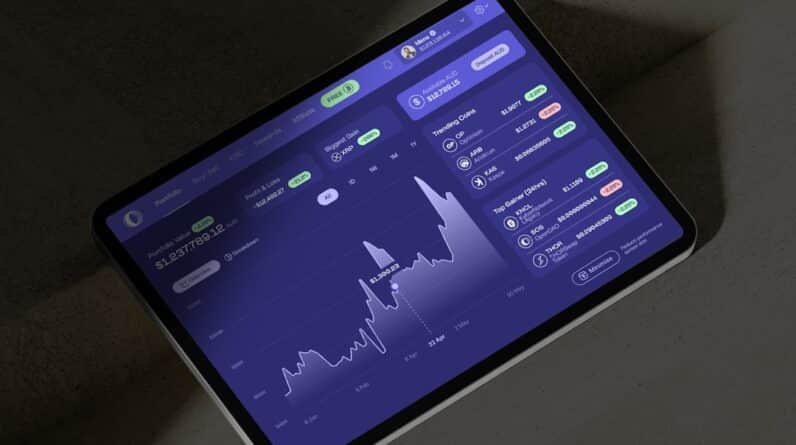
To embark on your journey into the world of cryptocurrency, it is essential to grasp the fundamental concepts that underpin this digital financial landscape. At its core, cryptocurrency is a form of digital or virtual currency that employs cryptography for security. Unlike traditional currencies issued by governments, cryptocurrencies operate on decentralized networks based on blockchain technology.
This means that transactions are recorded on a public ledger, ensuring transparency and security while eliminating the need for intermediaries like banks. As you delve deeper into the realm of cryptocurrency, you will encounter various types, each with its unique features and purposes. Bitcoin, the first and most well-known cryptocurrency, was created in 2009 as a response to the global financial crisis.
Since then, thousands of alternative cryptocurrencies, or altcoins, have emerged, each offering different functionalities and use cases. Understanding these distinctions is crucial as you navigate the market, as it will help you identify which cryptocurrencies align with your interests and investment strategies.
Key Takeaways
- Cryptocurrency is a digital or virtual form of currency that uses cryptography for security and operates independently of a central bank.
- The risks of investing in cryptocurrency include volatility, security concerns, and regulatory uncertainty, while the rewards include potential high returns and diversification opportunities.
- When considering investment goals, it’s important to assess your risk tolerance, time horizon, and financial objectives to determine the role of cryptocurrency in your portfolio.
- Market volatility in cryptocurrency can be extreme, with prices fluctuating significantly in short periods of time, making it important to stay informed and be prepared for potential losses.
- Regulatory and legal concerns surrounding cryptocurrency include issues related to taxation, money laundering, and the lack of consumer protection, which can impact its attractiveness as an investment option.
Evaluating the Risks and Rewards
Investing in cryptocurrency can be both exhilarating and daunting. The potential for high returns is one of the primary attractions for many investors. Cryptocurrencies have experienced meteoric rises in value, with some early adopters reaping substantial profits.
However, it is vital to recognize that with high rewards come significant risks. The market is notoriously volatile, with prices capable of swinging dramatically within short periods. This volatility can lead to substantial gains but also devastating losses.
As you evaluate the risks and rewards associated with cryptocurrency investments, consider your risk tolerance and financial situation. Are you prepared to weather the ups and downs of a highly unpredictable market? It’s essential to conduct thorough research and stay informed about market trends and developments.
By understanding the potential pitfalls and rewards, you can make more informed decisions that align with your financial goals.
Considering Your Investment Goals

Before diving headfirst into cryptocurrency investing, take a moment to reflect on your investment goals. Are you looking for short-term gains, or are you more interested in long-term wealth accumulation? Your objectives will significantly influence your investment strategy and the types of cryptocurrencies you choose to invest in.
For instance, if you are seeking quick profits, you might be drawn to more volatile coins that have the potential for rapid price increases. Conversely, if you prefer a more stable approach, you may want to focus on established cryptocurrencies with a proven track record. Additionally, consider how cryptocurrency fits into your overall investment portfolio.
Diversification is a key principle in investing; therefore, it’s wise to assess how much of your total investment capital you are willing to allocate to cryptocurrencies. Balancing your portfolio with a mix of traditional assets and digital currencies can help mitigate risks while still allowing you to capitalize on the growth potential of the crypto market.
Examining Market Volatility
Market volatility is an inherent characteristic of cryptocurrency that can be both a blessing and a curse. On one hand, this volatility creates opportunities for traders and investors to capitalize on price fluctuations. Many individuals have made significant profits by buying low and selling high during periods of rapid price changes.
However, this same volatility can lead to substantial losses if the market moves against your position. As you navigate this unpredictable landscape, it’s crucial to develop strategies for managing volatility. One approach is to adopt a long-term investment mindset, focusing on the underlying technology and potential of cryptocurrencies rather than getting caught up in daily price movements.
Additionally, employing risk management techniques such as setting stop-loss orders can help protect your investments from sudden downturns. By understanding and preparing for market volatility, you can better position yourself for success in the world of cryptocurrency.
Exploring Regulatory and Legal Concerns
As you consider investing in cryptocurrency, it’s essential to be aware of the regulatory and legal landscape surrounding digital currencies. Governments around the world are still grappling with how to regulate cryptocurrencies effectively, leading to a patchwork of laws and regulations that can vary significantly from one jurisdiction to another. This uncertainty can create challenges for investors, as changes in regulations can impact the value and legality of certain cryptocurrencies.
Staying informed about regulatory developments is crucial for any cryptocurrency investor. For instance, some countries have embraced cryptocurrencies and blockchain technology, while others have imposed strict regulations or outright bans. Understanding these legal frameworks will not only help you navigate potential pitfalls but also allow you to make informed decisions about where and how to invest in cryptocurrencies.
Comparing Cryptocurrency to Traditional Investments

When considering where to allocate your investment capital, it’s essential to compare cryptocurrency with traditional investment options such as stocks, bonds, and real estate. Each asset class has its unique characteristics, risks, and rewards. For example, traditional investments often provide more stability and predictable returns over time compared to the high volatility associated with cryptocurrencies.
However, cryptocurrencies offer distinct advantages that may appeal to certain investors. The potential for high returns in a relatively short period is one such advantage. Additionally, cryptocurrencies operate outside traditional financial systems, providing an alternative for those seeking greater financial independence or privacy.
As you weigh these factors, consider how each asset class aligns with your investment philosophy and risk tolerance.
Seeking Professional Advice
Navigating the complex world of cryptocurrency can be overwhelming, especially if you are new to investing or lack experience in this area. Seeking professional advice can be a valuable step in ensuring that your investment decisions are well-informed and aligned with your financial goals. Financial advisors who specialize in cryptocurrency can provide insights into market trends, risk management strategies, and portfolio diversification tailored to your unique situation.
When choosing a financial advisor, look for someone with a solid understanding of both traditional investments and cryptocurrencies. This dual expertise will enable them to offer comprehensive guidance that considers all aspects of your financial landscape. Additionally, don’t hesitate to ask questions and seek clarification on any topics that may be unclear; a good advisor will be happy to help you understand the complexities of cryptocurrency investing.
Making Informed Decisions for Your Financial Future
Ultimately, making informed decisions about cryptocurrency investing requires a combination of research, self-reflection, and professional guidance. As you explore this exciting yet unpredictable market, remember that knowledge is power. Stay updated on industry news, technological advancements, and regulatory changes that could impact your investments.
Moreover, take the time to assess your own financial situation and investment goals regularly. The cryptocurrency landscape is constantly evolving; therefore, being adaptable and open to change will serve you well as an investor. By approaching cryptocurrency with a well-rounded perspective and a commitment to ongoing education, you can position yourself for success in this dynamic financial frontier while safeguarding your financial future.
FAQs
What is cryptocurrency?
Cryptocurrency is a digital or virtual form of currency that uses cryptography for security and operates independently of a central bank.
Is investing in cryptocurrency risky?
Yes, investing in cryptocurrency is considered risky due to its volatile nature and the lack of regulation in the market.
What are the potential benefits of investing in cryptocurrency?
Potential benefits of investing in cryptocurrency include the possibility of high returns, diversification of investment portfolio, and the opportunity to participate in a growing market.
What are the potential drawbacks of investing in cryptocurrency?
Potential drawbacks of investing in cryptocurrency include the high volatility, lack of regulation, security risks, and the potential for loss of investment.
Should I put money into cryptocurrency?
The decision to invest in cryptocurrency should be based on individual financial goals, risk tolerance, and understanding of the market. It is important to conduct thorough research and consider seeking advice from financial professionals before investing in cryptocurrency.