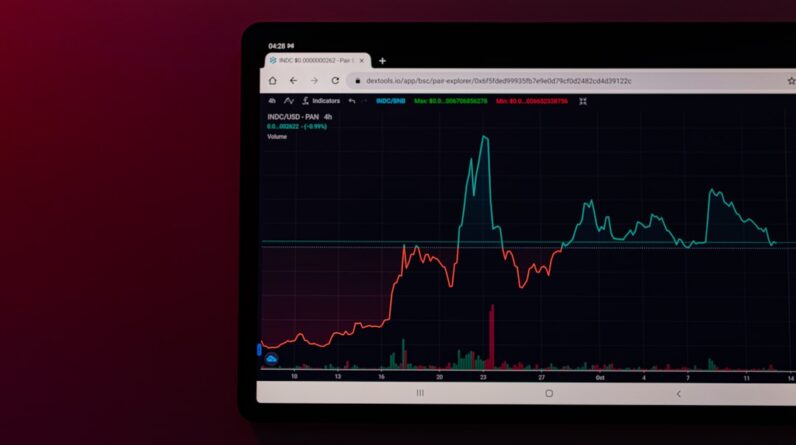
As you embark on your journey into the world of cryptocurrency investing, it’s essential to grasp the fundamental concepts that underpin this dynamic market. Cryptocurrency has emerged as a revolutionary financial instrument, offering opportunities for both seasoned investors and newcomers alike. The allure of potentially high returns, coupled with the innovative technology behind digital currencies, has drawn millions into this space.
However, while the prospects are enticing, the volatility and complexity of the market necessitate a thorough understanding before you dive in. Investing in cryptocurrencies is not merely about buying and holding; it requires a strategic approach and a willingness to adapt to rapidly changing conditions. As you navigate this landscape, you will encounter various terms, technologies, and investment strategies that can seem overwhelming at first.
Yet, with patience and diligence, you can develop a robust understanding of how to make informed decisions that align with your financial goals. This article aims to guide you through the essential aspects of crypto investing, equipping you with the knowledge needed to thrive in this exciting yet unpredictable environment.
Key Takeaways
- Crypto investing involves buying and holding digital assets with the expectation of profit.
- Blockchain is a decentralized, distributed ledger technology that underpins cryptocurrencies.
- When choosing a cryptocurrency to invest in, consider factors such as technology, team, and market demand.
- Risk management and diversification are crucial in minimizing potential losses in crypto investing.
- Technical analysis and market trends can help in making informed decisions about buying and selling cryptocurrencies.
Understanding the Basics of Blockchain Technology
To truly appreciate cryptocurrency investing, you must first understand the technology that powers it: blockchain. At its core, blockchain is a decentralized ledger that records transactions across multiple computers in a way that ensures security and transparency. This technology eliminates the need for intermediaries, such as banks, allowing for peer-to-peer transactions that are both efficient and cost-effective.
As you delve deeper into blockchain, you’ll discover how it underpins not just cryptocurrencies but also a myriad of applications across various industries. The decentralized nature of blockchain means that no single entity has control over the entire network, which enhances security and reduces the risk of fraud. Each transaction is grouped into blocks and linked together in chronological order, creating an immutable chain of data.
This transparency is one of the key features that attract investors to cryptocurrencies; it allows you to verify transactions and trust the integrity of the system without relying on a central authority. Understanding these principles will provide you with a solid foundation as you explore different cryptocurrencies and their unique use cases.
Choosing the Right Cryptocurrency to Invest In

With thousands of cryptocurrencies available in the market, selecting the right one to invest in can be daunting. As you begin your research, consider factors such as market capitalization, technology, use case, and community support. Market capitalization gives you an idea of a cryptocurrency’s size and stability; larger market caps often indicate more established projects with a proven track record.
However, don’t overlook smaller projects that may have significant growth potential if they solve real-world problems or offer innovative solutions. Additionally, take the time to understand the technology behind each cryptocurrency. Some coins are built on their own blockchains, while others operate on existing platforms like Ethereum.
Investigating the underlying technology can help you assess whether a cryptocurrency has long-term viability. Furthermore, consider the community surrounding each project; active communities often indicate strong support and ongoing development, which can be crucial for a cryptocurrency’s success. By carefully evaluating these factors, you can make more informed decisions about where to allocate your investment.
Risk Management and Diversification in Crypto Investing
As with any investment, risk management is paramount in cryptocurrency investing. The market is notoriously volatile, with prices capable of swinging dramatically within short periods. To protect your capital and minimize potential losses, it’s essential to establish a clear risk management strategy.
This may involve setting stop-loss orders to automatically sell your assets if they fall below a certain price or limiting the amount of capital you allocate to any single investment. Diversification is another critical component of risk management. By spreading your investments across multiple cryptocurrencies rather than concentrating your funds in one or two assets, you can mitigate the impact of poor performance from any single investment.
Consider creating a diversified portfolio that includes established coins like Bitcoin and Ethereum alongside promising altcoins. This approach not only helps reduce risk but also positions you to capitalize on various market trends and opportunities as they arise.
Technical Analysis and Market Trends
To navigate the crypto market effectively, you should familiarize yourself with technical analysis (TA). This method involves analyzing price charts and historical data to identify patterns and trends that can inform your trading decisions. As you learn about TA, you’ll encounter various tools and indicators such as moving averages, Relative Strength Index (RSI), and Fibonacci retracements.
These tools can help you gauge market sentiment and predict potential price movements. Understanding market trends is equally important in crypto investing. The market often moves in cycles, influenced by factors such as news events, regulatory changes, and technological advancements.
By keeping an eye on these trends and understanding how they impact prices, you can make more informed decisions about when to enter or exit positions. Combining technical analysis with an awareness of broader market trends will enhance your ability to navigate this fast-paced environment successfully.
Fundamental Analysis and Evaluating Crypto Projects

While technical analysis focuses on price movements, fundamental analysis (FA) delves into the intrinsic value of a cryptocurrency project. This involves assessing factors such as the team behind the project, its roadmap, partnerships, and overall market demand for its product or service. As you evaluate different cryptocurrencies, consider conducting thorough research on their whitepapers—documents that outline the project’s goals, technology, and implementation strategy.
Additionally, pay attention to community engagement and developer activity on platforms like GitHub. A strong team with a clear vision and active development can significantly enhance a project’s chances of success. By combining both technical and fundamental analysis in your investment strategy, you can gain a more comprehensive understanding of each cryptocurrency’s potential and make well-informed decisions.
Building a Cryptocurrency Investment Portfolio
Creating a well-balanced cryptocurrency investment portfolio is crucial for long-term success in this volatile market. Start by determining your investment goals—whether you’re looking for short-term gains or long-term growth—and assess your risk tolerance accordingly. Based on these factors, allocate your capital across different cryptocurrencies while considering diversification strategies discussed earlier.
As you build your portfolio, remember to regularly review and adjust your holdings based on market conditions and performance metrics. The crypto landscape is constantly evolving; new projects emerge while others may falter or become obsolete. Staying informed about industry developments will enable you to make timely adjustments to your portfolio, ensuring that it remains aligned with your investment objectives.
Managing and Monitoring Your Crypto Investments
Once you’ve established your cryptocurrency portfolio, effective management is key to maximizing returns and minimizing risks. Regularly monitoring your investments allows you to stay informed about price movements and market trends that could impact your holdings. Utilize portfolio tracking tools or apps that provide real-time updates on your assets’ performance, making it easier for you to make informed decisions.
In addition to monitoring prices, keep an eye on news related to regulatory changes or technological advancements that could affect the crypto market as a whole. Engaging with online communities or following reputable sources can help you stay updated on important developments. By actively managing and monitoring your investments, you’ll be better equipped to navigate the complexities of the crypto market and seize opportunities as they arise.
In conclusion, cryptocurrency investing offers exciting opportunities for those willing to educate themselves about this rapidly evolving landscape. By understanding blockchain technology, choosing the right cryptocurrencies, implementing risk management strategies, conducting thorough analyses, building a diversified portfolio, and actively managing your investments, you can position yourself for success in this dynamic market. As you continue your journey in crypto investing, remember that knowledge is power; staying informed will empower you to make sound decisions that align with your financial goals.