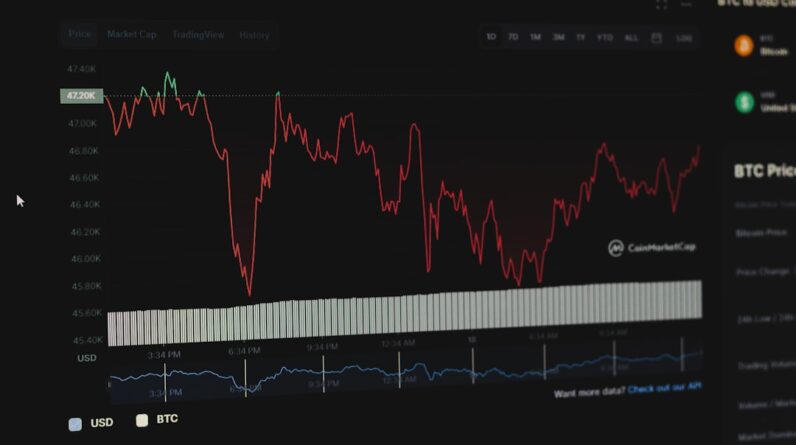
Have you ever thought about how complicated international trade can be? You may perceive it as a daunting maze of regulations, currencies, and logistical hurdles. But what if there was a solution that could simplify this intricate process? Enter cryptocurrency—a digital transformation that, for many, promises an easier path for global trade.

Understanding Cryptocurrency
To appreciate the potential of cryptocurrency in international trade, it is crucial to grasp the basics of what cryptocurrency is. At its core, cryptocurrency is a form of digital or virtual currency that uses cryptography for security. Unlike traditional currencies, cryptocurrencies operate on decentralized networks based on blockchain technology, ensuring transparency and security in transactions.
The Mechanism Behind Cryptocurrency
How does cryptocurrency actually work? Each transaction is recorded on a blockchain—a type of public ledger that documents all transactions across a network. This system eliminates the need for intermediaries like banks, making transfer times faster and often more cost-effective. The decentralized nature of cryptocurrencies also enhances security, reducing the risk of fraud or manipulation.
Popular Cryptocurrencies
There are numerous cryptocurrencies, but a few stand out in the international trade landscape:
- Bitcoin (BTC): Often considered the pioneer of cryptocurrencies, Bitcoin allows peer-to-peer transactions across the globe.
- Ethereum (ETH): Known for its smart contract functionality, Ethereum enables automated agreement execution between parties, reducing the need for third-party intervention.
- Ripple (XRP): Ripple is designed primarily for real-time global payments, making it a strong contender for enhancing international trade efficiency.
- Stablecoins: These are cryptocurrencies pegged to a stable asset like the US dollar, providing a less volatile option for businesses wary of price fluctuations.
The Challenges of Traditional International Trade
Before delving into how cryptocurrencies can reshape international trade, it’s essential to understand the hurdles that currently exist.
Currency Exchange Issues
When dealing with international transactions, currency exchange can lead to additional costs and delays. Fluctuating exchange rates might affect the cost of goods, complicating pricing strategies for businesses. Imagine trying to sell a product at a price that can change by the time the transaction is completed. It adds stress, doesn’t it?
Transaction Times and Fees
International wire transfers can take several days, and the fees often escalate. These unnecessary delays can stifle business operations and impact cash flow, leaving companies struggling to maintain momentum in a fast-paced global market.
Regulatory Hurdles and Compliance
Each country has its own regulations related to international trade, which can be overwhelming to navigate. Compliance with these regulations requires significant resources and expertise, which smaller businesses, in particular, may lack. Keeping up with documentation, tariffs, and customs can feel like a full-time job, making many entrepreneurs question their ability to compete globally.
How Cryptocurrency Can Transform International Trade
Now, let’s turn to the exciting part—how cryptocurrency holds the potential to make international trade easier. By addressing the very hurdles that make global commerce a challenge, cryptocurrency might just be the answer many businesses have been looking for.
Simplified Currency Exchange
One appealing aspect of using cryptocurrency for international trade is that it transcends traditional currency exchange. Instead of dealing with multiple currencies that may fluctuate in value, you can transact using a single cryptocurrency. This eliminates the need for conversion fees and protects businesses from currency volatility.
Faster Transactions
With cryptocurrency, transactions can occur almost instantly, regardless of geographic distances. This speed allows for quicker access to funds, ensuring that cash flow remains healthy. Imagine placing an order and having the payment settle in minutes instead of days. It makes conducting business much more appealing, right?
Reduced Transaction Fees
Transaction fees associated with cryptocurrencies tend to be lower than those imposed by traditional banking systems. By minimizing fees, businesses can boost their profit margins and reinvest those savings back into their operations, helping to fuel growth and success.
Enhanced Security and Transparency
Cryptocurrencies leverage blockchain technology, known for its secure and transparent characteristics. Every transaction is recorded on a public ledger, making it nearly impossible to alter historical data. Enhanced security not only protects businesses from fraud but also builds trust with partners and customers.
Easier Compliance with Smart Contracts
Smart contracts, made possible by blockchain technology, simplify agreements between parties by automating the execution of contract terms. This added layer simplifies compliance and significantly reduces disputes, as all parties are bound to the transparent terms coded into a smart contract. Imagine being able to trust that contractual obligations will be met without constant monitoring.
Global Reach Without Borders
Cryptocurrency provides businesses with a truly global reach. You can engage with suppliers or customers in any location without the fear of currency restrictions or complicated transaction processes. Your marketplace is no longer defined by borders, but rather by your ambition and vision.
Case Studies in International Trade Using Crypto
Let’s look at some real-world examples where cryptocurrency has successfully been integrated into international trade, demonstrating its potential benefits.
Case Study: Overstock.com
Overstock.com, an online retailer, was one of the first major e-commerce sites to accept Bitcoin as a payment method. By enabling Bitcoin transactions, Overstock caters to a global customer base while minimizing transaction fees. This innovative move not only attracted new customers but also positioned the company as a leader in the e-commerce space.
Case Study: ShipChain
ShipChain, a logistics and shipping company, utilizes blockchain technology to track freight across global supply chains. Through the use of their token, they aim to streamline the shipping process, improving transparency, and automating various logistics operations. By using cryptocurrencies and blockchain, the company solved previous inefficiencies and enhanced overall security.
Case Study: Walmart
Walmart is exploring the use of blockchain technology for food supply chains, focusing on enhancing food safety and traceability. By incorporating smart contracts, they can create safer and more efficient global supply chains while enabling real-time tracking and accountability.

The Future of Cryptocurrency in International Trade
While the current benefits of cryptocurrency for international trade are promising, the future holds even more potential. As the technology matures and adoption grows, we could witness even more revolutionary changes.
Increased Adoption by Governments
If governments start to embrace cryptocurrencies and integrate them into their economies, the global trade landscape could change dramatically. When central banks adopt digital currencies, they may increase confidence in the usability of cryptocurrencies for trade, leading to widespread acceptance.
Improved Technological Infrastructure
As the technology supporting cryptocurrencies evolves, transaction speeds and security features will likely improve. Enhanced infrastructure will make cryptocurrency banking platforms more user-friendly, encouraging businesses to adopt these systems seamlessly.
Regulatory Framework Developments
We can expect that governments will establish clearer regulations around the use of cryptocurrencies in international trade. A solid framework will not only protect consumers but will also incentivize businesses to incorporate cryptocurrencies into their financial strategies, making international transactions smoother.
The Argument Against Cryptocurrency in Trade
While there are many positives associated with the potential of cryptocurrency to enhance international trade, it’s essential to address concerns as well.
Volatility Concerns
Cryptocurrencies are known for their price volatility, which can impact businesses that rely on stable pricing. Sudden changes in value can lead to unexpected costs or revenue challenges, making it hard for merchants to price their goods accurately.
Regulatory Uncertainty
The regulatory landscape surrounding cryptocurrency is still developing. Businesses might be hesitant to adopt cryptocurrencies if they aren’t entirely confident in the surrounding legal frameworks. Compliance risks can become a significant concern for organizations looking to operate internationally.
Lack of Consumer Awareness
For many consumers and small businesses, the concept of cryptocurrency remains unfamiliar. Without proper knowledge or education on its use, adopting a cryptocurrency-based payment system may seem too risky or complicated, making it a hard sell.

Final Thoughts
So, can crypto make international trade easier? It seems that it certainly has the potential to do just that. By addressing problems like currency exchange complexities, transaction delays, and high fees, cryptocurrencies create opportunities for a more streamlined, efficient approach to global commerce.
That said, the journey ahead is one of adaptation and evolution. As you consider the integration of cryptocurrency into your own trade practices, keep in mind the balance between enthusiasm and caution. Staying informed is key in this continually evolving landscape.
Maybe now you see international trade in a different light—one where cryptocurrency offers a bridge across borders, uniting businesses in a way that was once unimaginable. The question is, are you ready to take the leap into this new realm?