In an increasingly digital world, the concept of identity has evolved significantly. You may find yourself navigating a landscape where traditional forms of identification are becoming less relevant. Decentralized identity management is emerging as a revolutionary approach to how you establish and maintain your digital identity.
This innovative framework allows you to take control of your personal information, ensuring that you can manage it securely and privately without relying on centralized authorities. As you delve into this topic, you’ll discover how decentralized identity can empower you, offering greater autonomy over your data. The shift towards decentralized identity management is driven by the need for enhanced security and privacy in an age where data breaches and identity theft are rampant.
You might be aware of the numerous incidents where personal information has been compromised, leading to significant financial and emotional distress. By leveraging decentralized technologies, such as blockchain, you can create a more secure and resilient identity system. This article will explore the intricacies of decentralized identity management, focusing on how it integrates with cryptocurrency and blockchain technology to provide you with a robust solution for managing your digital identity.
Key Takeaways
- Decentralized identity management offers a new approach to managing digital identities, putting users in control of their own data.
- Crypto and blockchain technology provide the foundation for decentralized identity management, offering security, transparency, and immutability.
- Creating a secure digital identity with crypto involves the use of cryptographic keys and digital signatures to verify identity and authenticate transactions.
- Managing personal data and privacy with crypto allows individuals to selectively disclose information and maintain control over their digital footprint.
- Accessing decentralized services with crypto identity enables seamless and secure interactions across various platforms and applications.
Understanding Crypto and Blockchain Technology
To fully appreciate the potential of decentralized identity management, it’s essential to grasp the fundamentals of cryptocurrency and blockchain technology. At its core, cryptocurrency is a form of digital or virtual currency that uses cryptography for security. You may have heard of popular cryptocurrencies like Bitcoin and Ethereum, which operate on decentralized networks, allowing for peer-to-peer transactions without the need for intermediaries.
This decentralization is a key feature that enhances security and reduces the risk of fraud. Blockchain technology serves as the backbone of cryptocurrencies, functioning as a distributed ledger that records all transactions across a network of computers. Each block in the chain contains a list of transactions, and once added, it cannot be altered without consensus from the network participants.
This immutability ensures that your data remains secure and tamper-proof. As you explore decentralized identity management, understanding how blockchain operates will help you appreciate its role in creating a secure digital identity that you can control.
Creating a Secure Digital Identity with Crypto

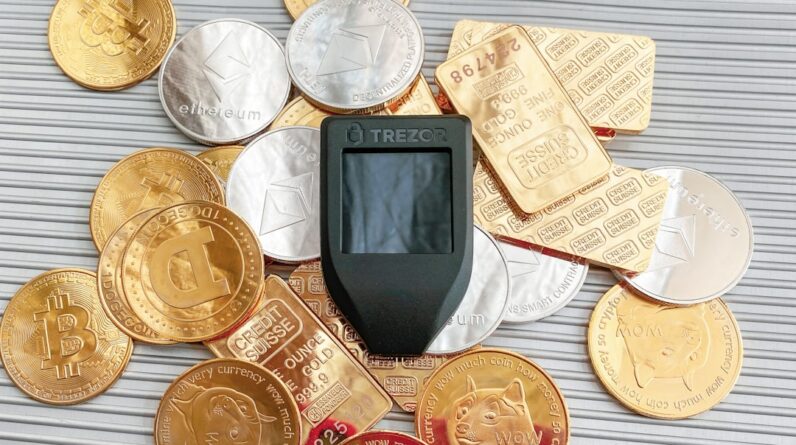
Creating a secure digital identity using cryptocurrency involves several steps that empower you to take charge of your personal information. The first step is to establish a digital wallet, which serves as your gateway to the world of cryptocurrencies and decentralized applications. This wallet allows you to store your digital assets securely while also providing a platform for managing your identity.
You can choose between various wallet types, including hardware wallets for enhanced security or software wallets for convenience. Once you have your wallet set up, you can begin to create your decentralized identity. This process typically involves generating a unique cryptographic key pair: a public key that others can see and a private key that only you should possess.
Your public key acts as your digital address, while your private key is crucial for signing transactions and proving ownership of your identity. By utilizing these keys, you can create verifiable credentials that represent various aspects of your identity, such as age, education, or professional qualifications, all while maintaining control over who has access to this information.
Managing Personal Data and Privacy with Crypto
Managing personal data in a decentralized environment offers you unprecedented control over your privacy. Traditional systems often require you to share sensitive information with multiple entities, increasing the risk of data breaches and misuse. In contrast, decentralized identity management allows you to selectively share only the necessary information with trusted parties while keeping the rest private.
This selective disclosure is a game-changer in protecting your personal data. Moreover, blockchain technology enhances your privacy by enabling pseudonymous transactions. When you engage in activities using your decentralized identity, your real-world identity remains hidden behind cryptographic keys.
This means that even if someone were to access your transaction history, they would not be able to link it back to your actual identity without additional information. As you navigate this new landscape, you’ll find that managing your personal data becomes more straightforward and secure, allowing you to interact with various services without compromising your privacy.
Accessing Decentralized Services with Crypto Identity
With a secure digital identity established through cryptocurrency, you can seamlessly access a wide range of decentralized services. These services span various sectors, including finance, healthcare, and social networking, all designed to operate without centralized control. For instance, decentralized finance (DeFi) platforms allow you to lend, borrow, or trade assets directly with other users while maintaining full control over your funds.
Your crypto identity also enables you to participate in decentralized applications (dApps) that require authentication without relying on traditional login methods. Instead of creating multiple accounts with different usernames and passwords, you can use your decentralized identity to log in securely across various platforms. This streamlined access not only enhances user experience but also reduces the risk of password-related security breaches.
Protecting Against Identity Theft and Fraud with Crypto

Identity theft and fraud are pervasive issues in today’s digital landscape, but decentralized identity management offers robust solutions to mitigate these risks. By utilizing cryptographic techniques and blockchain technology, you can significantly reduce the likelihood of unauthorized access to your personal information. Since your private key is stored securely within your wallet and not on centralized servers, it becomes much harder for malicious actors to compromise your identity.
Additionally, the transparency inherent in blockchain technology allows for real-time monitoring of transactions associated with your decentralized identity. If any suspicious activity occurs, you can quickly identify it and take appropriate action to protect yourself. This proactive approach empowers you to maintain control over your identity while minimizing the potential for fraud or misuse.
Integrating Crypto Identity with Existing Systems
As decentralized identity management gains traction, integrating it with existing systems becomes crucial for widespread adoption. You may wonder how this integration can occur without disrupting current processes or requiring significant changes from users. Fortunately, many organizations are exploring ways to incorporate decentralized identities into their existing frameworks seamlessly.
For instance, businesses can adopt decentralized identity solutions that allow customers to verify their identities without collecting excessive personal information. By implementing these solutions, companies can enhance their security measures while providing users with a more streamlined experience. As you consider the implications of integrating crypto identity with existing systems, you’ll find that it opens up new possibilities for innovation while addressing long-standing issues related to privacy and security.
Future Developments in Crypto Identity Management
The future of crypto identity management is promising, with ongoing developments poised to reshape how we interact with digital identities. As technology continues to evolve, you can expect advancements in user experience, security features, and interoperability between different platforms. For instance, improvements in biometric authentication methods may enhance the security of decentralized identities by allowing users to verify their identities using unique physical traits.
Moreover, regulatory frameworks are likely to emerge as governments recognize the importance of decentralized identity management in protecting citizens’ privacy rights. These regulations could provide guidelines for how organizations implement crypto identities while ensuring compliance with data protection laws. As these developments unfold, you’ll find yourself at the forefront of a transformative movement that empowers individuals to reclaim control over their digital identities in an increasingly interconnected world.
In conclusion, decentralized identity management represents a significant shift in how you manage your personal information online. By leveraging cryptocurrency and blockchain technology, you can create a secure digital identity that prioritizes privacy and autonomy. As this landscape continues to evolve, embracing these innovations will enable you to navigate the digital world with confidence and security.
FAQs
What is decentralized identity management?
Decentralized identity management refers to the concept of individuals having control over their own digital identities without the need for a central authority or intermediary. This can be achieved through the use of blockchain technology and cryptographic techniques.
What is crypto in the context of decentralized identity management?
Crypto, short for cryptocurrency, refers to digital or virtual currencies that use cryptography for security and operate on decentralized networks, typically based on blockchain technology. In the context of decentralized identity management, crypto can be used to secure and manage digital identities in a decentralized manner.
How can crypto be used for decentralized identity management?
Crypto can be used for decentralized identity management by leveraging blockchain technology to create and manage digital identities in a secure and decentralized manner. This can involve the use of cryptographic techniques to verify and authenticate identities, as well as the use of blockchain-based systems to store and manage identity information.
What are the benefits of using crypto for decentralized identity management?
Using crypto for decentralized identity management offers several benefits, including increased security, privacy, and control over personal data. It also reduces the reliance on centralized authorities and minimizes the risk of identity theft and fraud.
What are some examples of crypto-based decentralized identity management systems?
Some examples of crypto-based decentralized identity management systems include self-sovereign identity (SSI) solutions, blockchain-based identity platforms, and decentralized identity protocols such as Decentralized Identity Foundation (DIF) and W3C’s Verifiable Credentials. These systems leverage crypto and blockchain technology to enable individuals to have greater control over their digital identities.