In the ever-evolving landscape of finance, you find yourself at a crossroads between two distinct yet increasingly intertwined investment avenues: cryptocurrency and stocks. Both options offer unique opportunities and challenges, appealing to a wide range of investors from seasoned professionals to curious newcomers. As you delve into these markets, it’s essential to understand their fundamental differences and similarities, as well as the potential rewards and risks associated with each.
Cryptocurrency, a digital or virtual form of currency that relies on cryptography for security, has gained immense popularity in recent years. Unlike traditional stocks, which represent ownership in a company, cryptocurrencies operate on decentralized networks using blockchain technology. This innovation has not only disrupted the financial sector but has also created a new paradigm for how you think about value and investment.
On the other hand, stocks have a long-standing history as a means of raising capital for businesses while providing investors with dividends and capital appreciation. Understanding these two investment vehicles is crucial as you navigate the complexities of modern finance.
Key Takeaways
- Cryptocurrency and stocks are both investment options with their own unique characteristics and risks.
- Volatility and price fluctuations are common in both cryptocurrency and stock markets, making them high-risk investments.
- The regulatory environment and legal risks surrounding cryptocurrency and stocks can impact their value and stability.
- Market liquidity and trading volume are important factors to consider when investing in cryptocurrency and stocks.
- Security and hacking risks are prevalent in both cryptocurrency and stock trading, requiring investors to take precautions to protect their assets.
Volatility and Price Fluctuations
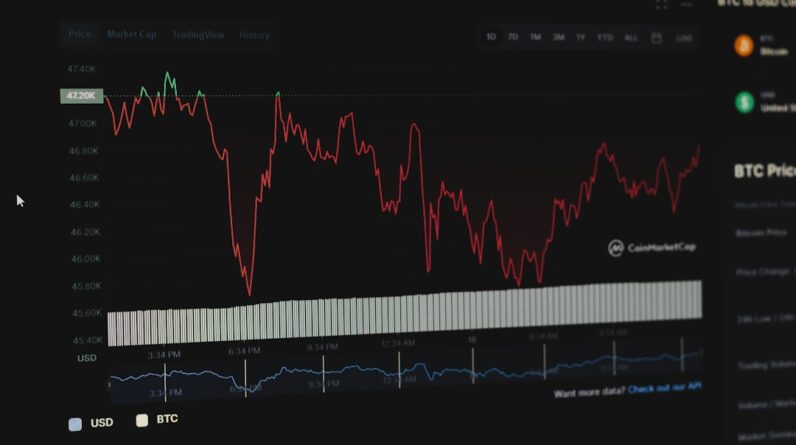
One of the most striking characteristics of cryptocurrency is its volatility. As you explore this market, you may notice that prices can swing dramatically within short periods. This volatility can be both exhilarating and terrifying; while it presents opportunities for significant gains, it also poses substantial risks.
For instance, a sudden surge in interest or news can lead to rapid price increases, but equally, negative news can trigger steep declines. As an investor, you must be prepared for these fluctuations and develop strategies to manage your risk effectively. In contrast, stocks tend to exhibit more stability over time, although they are not immune to volatility.
Market conditions, economic indicators, and company performance can all influence stock prices. While you may find that stocks generally experience gradual growth or decline, there are still moments of intense volatility, particularly during earnings reports or economic downturns. Understanding the nature of price fluctuations in both markets will help you make informed decisions about your investment strategy and risk tolerance.
Regulatory Environment and Legal Risks

As you consider investing in either cryptocurrency or stocks, it’s essential to be aware of the regulatory environment surrounding each asset class. The stock market is heavily regulated by government agencies such as the Securities and Exchange Commission (SEC) in the United States. These regulations are designed to protect investors and ensure fair trading practices.
When you invest in stocks, you can feel more secure knowing that there are established rules governing the market. Conversely, the regulatory landscape for cryptocurrencies is still evolving. Many countries are grappling with how to classify and regulate digital currencies, leading to a patchwork of laws that can vary significantly from one jurisdiction to another.
This uncertainty can create legal risks for investors like you. For example, some countries have outright banned cryptocurrency trading, while others have embraced it with open arms. Staying informed about the regulatory developments in your region is crucial to navigating the potential pitfalls associated with cryptocurrency investments.
Market Liquidity and Trading Volume
Liquidity is another critical factor to consider when comparing cryptocurrency and stocks. In financial markets, liquidity refers to how easily an asset can be bought or sold without significantly affecting its price. Stocks generally enjoy high liquidity due to their established markets and large trading volumes.
When you decide to buy or sell shares, you can typically do so quickly and at a fair market price. Cryptocurrency markets, on the other hand, can vary widely in terms of liquidity. While major cryptocurrencies like Bitcoin and Ethereum often have substantial trading volumes, smaller or less popular coins may experience significant liquidity issues.
This disparity can lead to challenges when trying to execute trades at desired prices. As an investor, understanding the liquidity of the assets you are interested in is vital for making timely decisions and minimizing slippage.
Security and Hacking Risks
Security is a paramount concern for anyone investing in either cryptocurrency or stocks. In the stock market, your investments are typically held in brokerage accounts that are subject to regulatory oversight and security measures. While no system is entirely foolproof, established brokerages often have robust protocols in place to protect your assets from fraud and theft.
In contrast, the world of cryptocurrency presents unique security challenges. The decentralized nature of digital currencies means that you are responsible for safeguarding your assets. Hacking incidents have become alarmingly common in the crypto space, with exchanges and wallets being targeted by cybercriminals.
As you navigate this landscape, it’s essential to adopt best practices for securing your investments, such as using hardware wallets and enabling two-factor authentication. Being proactive about security will help mitigate the risks associated with investing in cryptocurrencies.
Long-Term Investment Potential

When evaluating investment options, considering long-term potential is crucial for your financial strategy. Stocks have a long history of providing returns through capital appreciation and dividends over time. Many investors view stocks as a reliable way to build wealth gradually through compounding returns.
If you adopt a buy-and-hold strategy with well-researched companies, you may find that stocks can offer stability and growth over the long haul. Cryptocurrencies present a different narrative regarding long-term investment potential. While some investors see them as a revolutionary asset class poised to disrupt traditional finance, others remain skeptical about their sustainability.
The rapid rise of certain cryptocurrencies has led to significant gains for early adopters; however, the market’s speculative nature raises questions about which coins will endure over time. As you consider your investment horizon, it’s essential to weigh the potential rewards against the inherent risks associated with this relatively new asset class.
Investor Knowledge and Education
Your success as an investor hinges on your knowledge and understanding of the markets in which you choose to participate. In the stock market, there is a wealth of resources available to help you learn about fundamental analysis, technical analysis, and various investment strategies. Many educational platforms offer courses and materials tailored to different levels of expertise, allowing you to build your skills over time.
In contrast, the cryptocurrency space can be more challenging to navigate due to its rapid evolution and complexity. While there are numerous resources available online, distinguishing between credible information and misinformation can be daunting. As an investor in cryptocurrencies, it’s vital to stay informed about technological advancements, market trends, and regulatory changes that could impact your investments.
Engaging with reputable communities and following thought leaders in the space can enhance your understanding and help you make informed decisions.
Evaluating Risk in Cryptocurrency and Stocks
As you weigh your options between investing in cryptocurrency or stocks, it’s essential to evaluate the risks associated with each asset class carefully. Both markets offer unique opportunities for growth but come with their own set of challenges that require diligent research and risk management strategies. By understanding the volatility, regulatory environment, liquidity issues, security concerns, long-term potential, and the importance of education in both realms, you can make informed decisions that align with your financial goals.
Ultimately, whether you choose to invest in cryptocurrency or stocks—or perhaps both—your success will depend on your ability to navigate these complex markets with knowledge and caution. By staying informed and continuously educating yourself about the evolving landscape of finance, you can position yourself for success while managing the inherent risks associated with each investment avenue.
FAQs
What is cryptocurrency?
Cryptocurrency is a digital or virtual form of currency that uses cryptography for security and operates independently of a central bank.
What are stocks?
Stocks, also known as shares or equities, represent ownership in a company and entitle the holder to a portion of the company’s assets and earnings.
How risky is cryptocurrency compared to stocks?
Cryptocurrency is generally considered to be more volatile and risky compared to stocks. The value of cryptocurrencies can fluctuate significantly in a short period of time, leading to potential high returns but also high losses. Stocks, on the other hand, tend to have more stable and predictable returns over the long term.
What factors contribute to the risk of cryptocurrency?
The risk of cryptocurrency is influenced by factors such as market speculation, regulatory changes, security vulnerabilities, and technological developments. Additionally, the lack of intrinsic value and the absence of a central authority to regulate the cryptocurrency market contribute to its risk.
What factors contribute to the risk of stocks?
The risk of stocks is influenced by factors such as market volatility, economic conditions, company performance, and industry trends. Additionally, external events such as geopolitical tensions and natural disasters can impact stock prices.
What are some ways to mitigate the risk of investing in cryptocurrency?
Investors can mitigate the risk of investing in cryptocurrency by diversifying their portfolio, conducting thorough research, and staying informed about market trends and regulatory developments. Additionally, using secure and reputable cryptocurrency exchanges and wallets can help protect against security risks.
What are some ways to mitigate the risk of investing in stocks?
Investors can mitigate the risk of investing in stocks by diversifying their portfolio across different industries and asset classes, conducting fundamental analysis of companies, and staying informed about market conditions. Additionally, setting clear investment goals and maintaining a long-term perspective can help mitigate the impact of short-term market fluctuations.