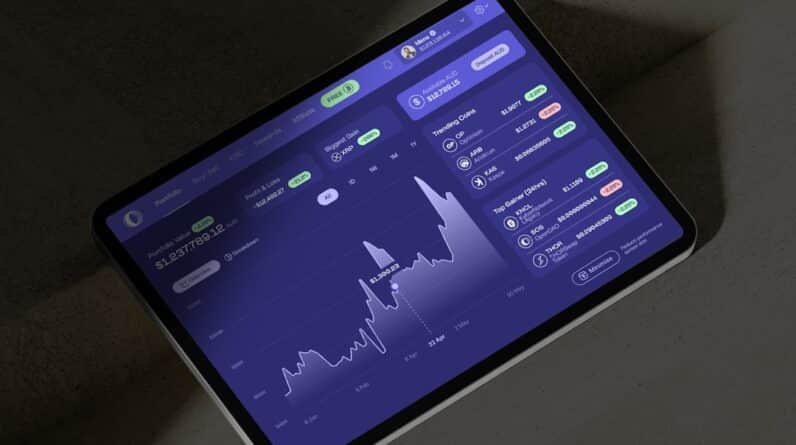
In recent years, the financial landscape has undergone a significant transformation, largely driven by the emergence of cryptocurrencies. You may have heard of Bitcoin, Ethereum, and a myriad of other digital currencies that have captured the attention of investors and the general public alike. Unlike traditional investments such as stocks, bonds, and real estate, cryptocurrencies operate on decentralized networks using blockchain technology.
This innovation not only facilitates peer-to-peer transactions but also introduces a new paradigm in how you might think about value and investment. As you delve deeper into the world of finance, you may find yourself weighing the merits of cryptocurrencies against traditional investment vehicles. While stocks and bonds have long been the bedrock of investment portfolios, cryptocurrencies offer a unique alternative that appeals to a growing demographic of tech-savvy investors.
The allure of digital currencies lies in their potential for high returns, their decentralized nature, and the innovative technology that underpins them. However, as with any investment, understanding the nuances between these two categories is crucial for making informed decisions.
Key Takeaways
- Cryptocurrencies offer a new and alternative investment option compared to traditional investments like stocks and bonds.
- Volatility and risk are inherent in the cryptocurrency market, making it important for investors to carefully consider their risk tolerance.
- Liquidity in the cryptocurrency market can vary, with some assets being more easily tradable than others.
- Regulation and security measures are crucial for the protection of investors in the cryptocurrency space.
- Cryptocurrencies have the potential for high returns, but also come with a higher level of risk compared to traditional investments.
Volatility and Risk
One of the most striking characteristics of cryptocurrencies is their volatility. You may have noticed that the prices of digital currencies can swing dramatically within short periods, sometimes experiencing gains or losses of double-digit percentages in a single day. This volatility can be both a blessing and a curse.
On one hand, it presents opportunities for substantial profits; on the other hand, it poses significant risks that can lead to considerable financial losses. If you are considering investing in cryptocurrencies, it is essential to be prepared for this rollercoaster ride. In contrast, traditional investments tend to exhibit more stability over time.
While stock markets can certainly experience downturns, they generally do not fluctuate as wildly as cryptocurrencies. This relative stability can provide a sense of security for investors who prefer a more predictable approach to wealth accumulation. However, it is important to recognize that lower volatility often comes with lower potential returns.
As you navigate your investment journey, you will need to assess your risk tolerance and determine whether the high-risk, high-reward nature of cryptocurrencies aligns with your financial goals.
Liquidity

Liquidity refers to how easily an asset can be converted into cash without significantly affecting its price. In the realm of traditional investments, stocks and bonds are typically considered highly liquid assets. You can buy or sell shares on major exchanges with relative ease, allowing you to access your funds quickly when needed.
This liquidity is one of the reasons why many investors feel comfortable allocating a portion of their portfolios to these traditional assets. Cryptocurrencies, on the other hand, present a mixed bag when it comes to liquidity. While major cryptocurrencies like Bitcoin and Ethereum enjoy high trading volumes and can be easily bought or sold on various exchanges, smaller or less popular coins may not have the same level of liquidity.
If you decide to invest in these lesser-known digital currencies, you might find it challenging to sell your holdings without impacting their market price significantly. As you consider your investment strategy, it’s crucial to evaluate the liquidity of the assets you are interested in and how that might affect your ability to access your funds when necessary.
Regulation and Security
The regulatory landscape surrounding cryptocurrencies is still evolving, which can create both opportunities and challenges for investors like yourself. In many countries, regulatory bodies are working to establish frameworks that govern the use and trading of digital currencies. While this increased oversight can enhance security and protect investors from fraud, it can also introduce uncertainty regarding how regulations may impact the market in the future.
Security is another critical aspect to consider when investing in cryptocurrencies. Unlike traditional investments that are often backed by established institutions, cryptocurrencies rely on blockchain technology for security and transparency. However, this does not mean they are immune to risks.
You may have heard stories about exchanges being hacked or investors losing access to their digital wallets due to forgotten passwords or phishing scams. As you explore cryptocurrency investments, it is vital to educate yourself about best practices for securing your assets and staying informed about potential risks.
Potential for High Returns
One of the most enticing aspects of investing in cryptocurrencies is their potential for high returns. You may have seen headlines about early adopters who turned modest investments into life-changing sums of money as the value of their digital assets skyrocketed. This potential for exponential growth is a significant draw for many investors looking to diversify their portfolios and capitalize on emerging trends.
However, it is essential to approach these opportunities with caution. While some individuals have indeed reaped substantial rewards from their cryptocurrency investments, others have faced devastating losses due to market fluctuations or poor investment choices. As you consider entering this space, it is crucial to conduct thorough research and develop a well-thought-out investment strategy that balances potential rewards with an understanding of the inherent risks involved.
Accessibility and Inclusivity

One of the most compelling features of cryptocurrencies is their accessibility. Unlike traditional financial systems that may require extensive documentation or minimum investment amounts, cryptocurrencies can often be purchased with minimal barriers to entry. This democratization of finance allows individuals from various backgrounds and economic situations to participate in the market.
You might find it refreshing that anyone with an internet connection can access cryptocurrency exchanges and start investing with relatively small amounts. This inclusivity extends beyond just individual investors; it also has implications for global finance as a whole. In many parts of the world, traditional banking services are limited or non-existent, leaving millions without access to basic financial tools.
Cryptocurrencies offer an alternative that can empower individuals in underserved communities by providing them with a means to store value and conduct transactions without relying on traditional banks. As you explore this new frontier, consider how cryptocurrencies could play a role in fostering financial inclusion on a global scale.
Transparency and Accountability
Transparency is a hallmark of blockchain technology, which underpins most cryptocurrencies. Each transaction is recorded on a public ledger that anyone can access and verify. This level of transparency can foster trust among users and investors alike, as it allows you to track the movement of funds and ensure that transactions are legitimate.
In contrast, traditional financial systems often operate behind closed doors, making it challenging for individuals to understand how their money is being managed. However, while blockchain technology offers transparency at its core, it is essential to recognize that not all projects are created equal. Some cryptocurrencies may lack adequate oversight or accountability measures, leading to potential scams or fraudulent activities.
As you navigate this landscape, it is crucial to conduct thorough research on any cryptocurrency project you consider investing in and ensure that it adheres to principles of transparency and accountability.
Future Outlook and Adoption
As you look toward the future of cryptocurrencies, it’s clear that this space is rapidly evolving. Institutional interest in digital currencies has surged in recent years, with major companies and financial institutions beginning to embrace blockchain technology and explore ways to integrate cryptocurrencies into their operations. This growing acceptance could pave the way for broader adoption among mainstream consumers and investors.
However, challenges remain on the horizon. Regulatory hurdles, technological limitations, and public perception will all play significant roles in shaping the future of cryptocurrencies. As you contemplate your investment strategy, staying informed about industry trends and developments will be crucial for navigating this dynamic landscape successfully.
The future may hold exciting opportunities for those willing to embrace change and adapt to new financial paradigms. In conclusion, as you weigh the pros and cons of investing in cryptocurrencies versus traditional investments, it’s essential to consider factors such as volatility, liquidity, regulation, potential returns, accessibility, transparency, and future outlook. By doing so, you can make informed decisions that align with your financial goals and risk tolerance while navigating this exciting new frontier in finance.
FAQs
What are cryptocurrencies?
Cryptocurrencies are digital or virtual currencies that use cryptography for security and operate on decentralized networks based on blockchain technology.
What are traditional investments?
Traditional investments refer to assets such as stocks, bonds, real estate, and commodities that have a track record of performance and are traded on established financial markets.
How do cryptocurrencies compare to traditional investments in terms of volatility?
Cryptocurrencies are known for their high volatility, with prices often experiencing significant fluctuations in short periods of time. Traditional investments, while not immune to volatility, generally exhibit lower levels of price fluctuation.
What are the differences in regulation between cryptocurrencies and traditional investments?
Traditional investments are subject to regulation by government authorities and financial institutions, with established rules and oversight in place. Cryptocurrencies, on the other hand, operate in a less regulated environment, with varying levels of oversight depending on the jurisdiction.
What are the liquidity differences between cryptocurrencies and traditional investments?
Traditional investments typically have higher liquidity, meaning they can be easily bought or sold without significantly impacting their market price. Cryptocurrencies, especially those with lower market capitalization, may have lower liquidity and higher price slippage.
How do cryptocurrencies and traditional investments differ in terms of accessibility?
Cryptocurrencies are generally more accessible to a wider range of investors, as they can be bought and sold through online exchanges and digital wallets. Traditional investments often require a brokerage account and may have higher barriers to entry for certain asset classes.
What are the differences in risk and return between cryptocurrencies and traditional investments?
Cryptocurrencies are often considered higher risk due to their volatility and the relative infancy of the market. Traditional investments, while not without risk, may offer more predictable returns and a longer track record of performance.