Bitcoin, the pioneering cryptocurrency, has revolutionized the way you think about money and transactions. At its core, Bitcoin is a decentralized digital currency that operates on a technology called blockchain. This means that it is not controlled by any central authority, such as a government or financial institution.
Instead, transactions are verified by a network of computers, known as nodes, which work together to maintain the integrity of the system. This decentralized nature is one of the key features that make Bitcoin appealing to many investors and users alike. Accessibility is another significant aspect of Bitcoin that you should consider.
Unlike traditional banking systems, which can be cumbersome and often exclude individuals without access to banking services, Bitcoin allows anyone with an internet connection to participate in the financial ecosystem. You can buy, sell, and trade Bitcoin from anywhere in the world, making it a truly global currency. Furthermore, the process of acquiring Bitcoin has become increasingly user-friendly over the years, with numerous platforms and exchanges available to facilitate transactions.
This ease of access has contributed to Bitcoin’s growing popularity and acceptance as a legitimate form of currency.
Key Takeaways
- Bitcoin is a digital currency that can be accessed and used by anyone with an internet connection, making it highly accessible.
- When investing in Bitcoin, it’s important to consider the legal implications and regulatory environment, as laws and regulations vary by country.
- Investing in Bitcoin comes with both risks and benefits, including potential for high returns but also volatility and security concerns.
- To buy and store Bitcoin, investors can use cryptocurrency exchanges and digital wallets, but should also be aware of security measures to protect their investment.
- Before investing in Bitcoin, factors to consider include market trends, personal risk tolerance, and long-term investment goals.
Legal Considerations for Investing in Bitcoin
As you contemplate investing in Bitcoin, it is crucial to understand the legal landscape surrounding cryptocurrencies. The regulatory environment varies significantly from one country to another, and even within regions of the same country. In some jurisdictions, Bitcoin is recognized as a legal form of payment, while in others, it may be subject to strict regulations or outright bans.
Before you invest, it is essential to familiarize yourself with the laws governing cryptocurrency in your area to ensure compliance and avoid potential legal issues. Additionally, tax implications are an important consideration when investing in Bitcoin. In many countries, cryptocurrencies are treated as assets rather than currency, meaning that any gains you realize from buying and selling Bitcoin may be subject to capital gains tax.
You should keep detailed records of your transactions to accurately report your earnings and losses when filing your taxes. Consulting with a tax professional who understands cryptocurrency can help you navigate these complexities and ensure that you remain compliant with local laws.
Risks and Benefits of Investing in Bitcoin
Investing in Bitcoin comes with its share of risks and benefits that you must weigh carefully. On one hand, Bitcoin has shown remarkable growth since its inception, with many early adopters reaping substantial rewards. The potential for high returns is one of the primary attractions for investors.
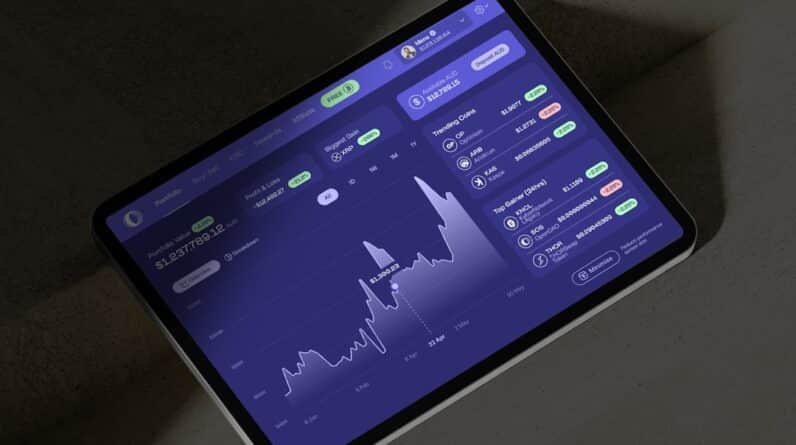
Additionally, Bitcoin’s decentralized nature offers a level of security and privacy that traditional financial systems cannot provide. As more businesses and individuals adopt Bitcoin for transactions, its value may continue to rise, making it an appealing investment opportunity. However, the volatility of Bitcoin cannot be overlooked.
The price of Bitcoin can fluctuate dramatically within short periods, leading to significant gains or losses for investors. This unpredictability can be daunting, especially for those who are new to investing or have a low risk tolerance. Furthermore, the lack of regulation in the cryptocurrency market can expose you to scams and fraudulent schemes.
It is essential to conduct thorough research and stay informed about market trends to mitigate these risks effectively.
How to Buy and Store Bitcoin
If you’ve decided to invest in Bitcoin, the next step is understanding how to buy and store it securely. The process typically begins with selecting a cryptocurrency exchange where you can purchase Bitcoin using traditional currency or other cryptocurrencies. Popular exchanges like Coinbase, Binance, and Kraken offer user-friendly interfaces that make it easy for you to create an account, verify your identity, and start trading.
Once you’ve chosen an exchange, you’ll need to link your bank account or credit card to fund your purchases. After acquiring Bitcoin, storing it securely is paramount. While you could leave your funds on the exchange where you bought them, this approach carries risks associated with hacking and exchange failures.
Instead, consider transferring your Bitcoin to a personal wallet. There are several types of wallets available: hot wallets (online) and cold wallets (offline). Hot wallets are convenient for frequent transactions but are more vulnerable to cyber threats.
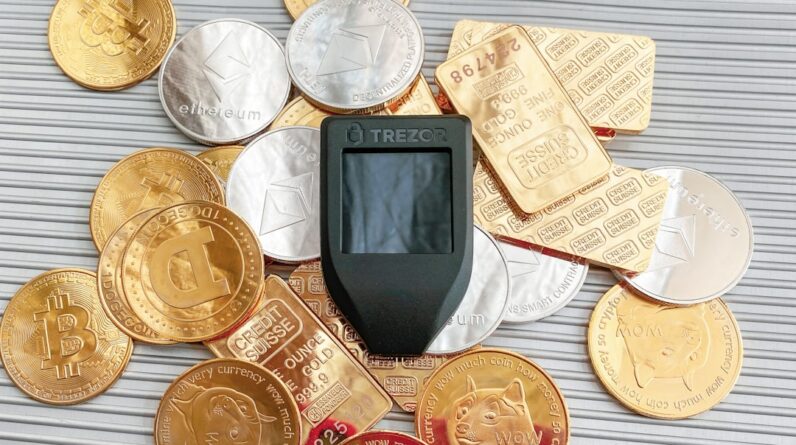
Cold wallets, such as hardware wallets or paper wallets, provide enhanced security by keeping your private keys offline. By choosing the right storage method for your needs, you can protect your investment from potential risks.
Factors to Consider Before Investing in Bitcoin
Before diving into the world of Bitcoin investment, there are several factors you should consider carefully. First and foremost is your risk tolerance. As mentioned earlier, Bitcoin’s price volatility can lead to significant fluctuations in value.
If you’re uncomfortable with the idea of potentially losing a substantial portion of your investment in a short time frame, it may be wise to reconsider or limit your exposure to Bitcoin. Another important factor is your investment strategy. Are you looking for short-term gains through active trading or long-term growth by holding onto your investment?
Your approach will influence how much time and effort you’re willing to dedicate to monitoring market trends and making informed decisions. Additionally, consider diversifying your investment portfolio by allocating funds across various asset classes rather than putting all your eggs in one basket with Bitcoin alone.
Alternative Ways to Invest in Bitcoin

If direct investment in Bitcoin feels too risky or complicated for you, there are alternative ways to gain exposure to this cryptocurrency without actually owning it outright. One option is investing in cryptocurrency exchange-traded funds (ETFs), which allow you to invest in a diversified portfolio of cryptocurrencies without having to manage individual assets yourself. These funds are traded on traditional stock exchanges and can provide a more regulated investment vehicle for those wary of direct cryptocurrency investments.
Another alternative is investing in companies that are heavily involved in the cryptocurrency space. This could include firms that mine Bitcoin, develop blockchain technology, or provide services related to digital currencies. By investing in these companies, you can indirectly benefit from the growth of the cryptocurrency market while potentially mitigating some risks associated with direct investment in Bitcoin itself.
Regulatory Environment for Bitcoin Investments
The regulatory environment surrounding Bitcoin investments is continually evolving as governments around the world grapple with how to approach cryptocurrencies. In some countries, regulatory frameworks have been established that provide clarity for investors and businesses alike. These regulations often focus on anti-money laundering (AML) measures and know-your-customer (KYC) requirements aimed at preventing illicit activities within the cryptocurrency space.
However, in other regions, uncertainty remains prevalent as authorities debate how best to regulate this emerging asset class. This lack of clarity can create challenges for investors like you who seek to navigate the market responsibly. Staying informed about changes in regulations and understanding how they may impact your investments is crucial for making sound decisions in this dynamic landscape.
Is Bitcoin Investment Right for You?
Ultimately, whether investing in Bitcoin is right for you depends on various personal factors including your financial goals, risk tolerance, and understanding of the cryptocurrency market. While the potential for high returns is enticing, it is essential to approach this investment with caution and diligence. By educating yourself about the intricacies of Bitcoin—its accessibility, legal considerations, risks and benefits—you can make informed decisions that align with your financial objectives.
As you weigh your options, remember that investing in Bitcoin is not just about chasing profits; it’s also about understanding a transformative technology that has the potential to reshape our financial systems. If you’re willing to invest time into learning about this digital currency and stay updated on market trends and regulations, you may find that Bitcoin offers unique opportunities worth exploring. However, if you’re uncomfortable with its inherent risks or lack confidence in navigating this complex landscape, it may be prudent to consider alternative investments that align more closely with your comfort level and financial strategy.
FAQs
What is Bitcoin?
Bitcoin is a digital currency that was created in 2009 by an unknown person using the name Satoshi Nakamoto. It is a decentralized form of currency, meaning it is not controlled by any government or financial institution.
Can anyone invest in Bitcoin?
Yes, anyone can invest in Bitcoin as long as they have access to the internet and a way to purchase Bitcoin, such as through a cryptocurrency exchange.
How can I invest in Bitcoin?
To invest in Bitcoin, you can open an account with a cryptocurrency exchange, purchase Bitcoin using traditional currency, and store it in a digital wallet.
Is investing in Bitcoin risky?
Investing in Bitcoin carries a certain level of risk, as the value of Bitcoin can be highly volatile. It is important to do thorough research and understand the risks before investing in Bitcoin.
Are there any restrictions on who can invest in Bitcoin?
There are generally no restrictions on who can invest in Bitcoin, as it is a decentralized form of currency. However, some countries may have regulations or restrictions on cryptocurrency investments.
Can I invest in Bitcoin through my retirement account?
Some retirement account providers may offer the option to invest in Bitcoin through a self-directed IRA. It is important to consult with a financial advisor or tax professional before making any investment decisions with retirement funds.