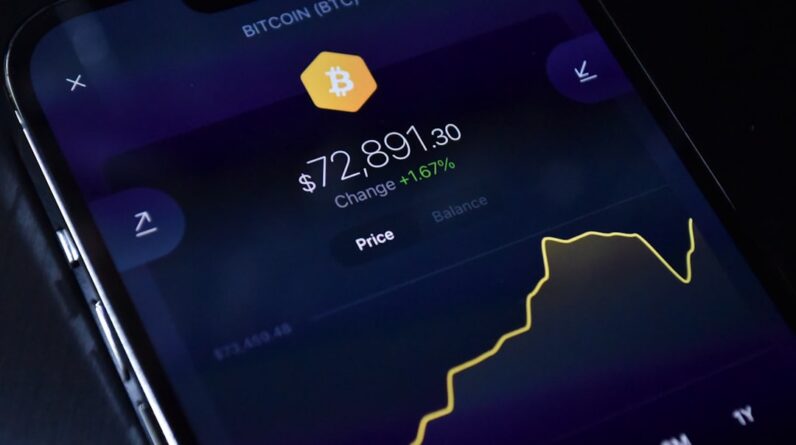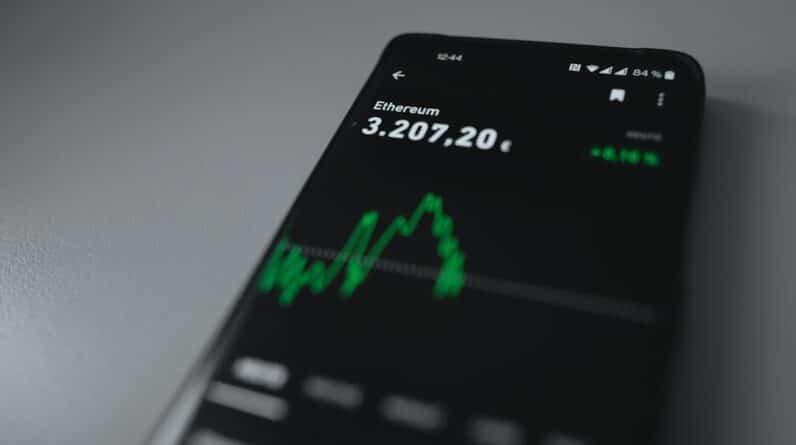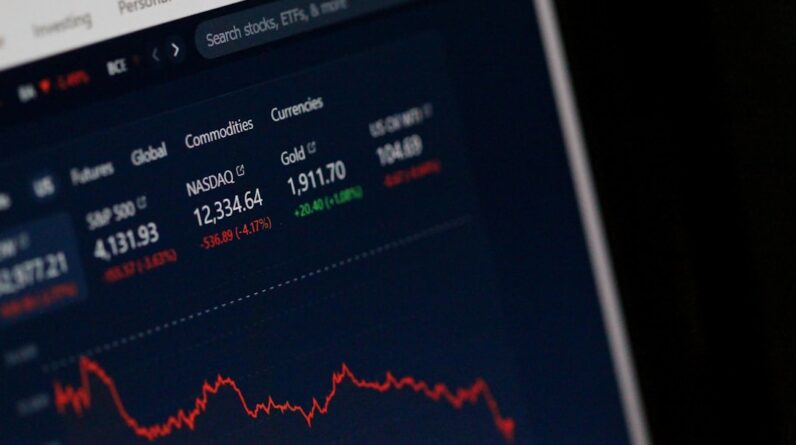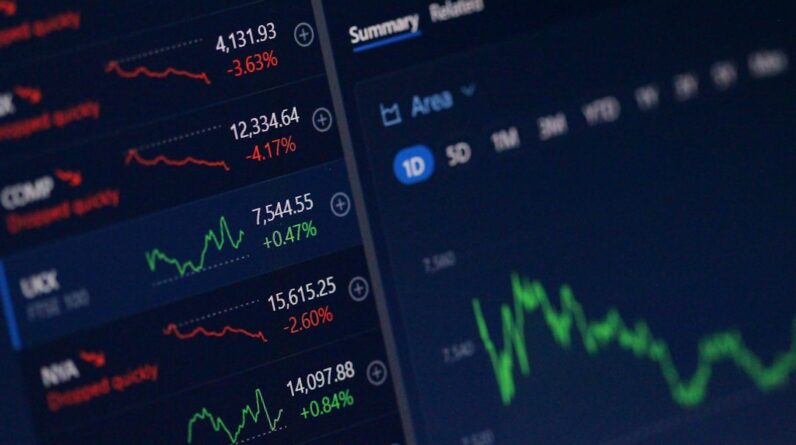
As you embark on your journey into the world of cryptocurrency, understanding the fundamentals of cryptocurrency tracking is essential. Cryptocurrency tracking involves monitoring the performance of your digital assets, including their price movements, market capitalization, and trading volume. This process is crucial for making informed investment decisions, as it allows you to assess the health of your portfolio and identify potential opportunities or risks.
By keeping a close eye on your investments, you can better navigate the volatile nature of the cryptocurrency market. Moreover, tracking your cryptocurrency investments helps you understand market trends and sentiment. You’ll find that prices can fluctuate dramatically within short periods, influenced by various factors such as news events, regulatory changes, and technological advancements.
By familiarizing yourself with these dynamics, you can develop a more strategic approach to buying, selling, or holding your assets. Ultimately, effective tracking empowers you to make data-driven decisions that align with your financial goals.
Key Takeaways
- Cryptocurrency tracking involves monitoring the performance and market trends of digital assets.
- Choosing the right tracking tools and platforms is essential for effective monitoring and management of cryptocurrency investments.
- Setting up a portfolio tracker helps in organizing and analyzing the performance of various cryptocurrencies in one place.
- Tracking cryptocurrency performance and market trends is crucial for making informed investment decisions.
- Implementing risk management strategies is important to mitigate potential losses in the volatile cryptocurrency market.
Choosing the Right Tracking Tools and Platforms
When it comes to tracking your cryptocurrency investments, selecting the right tools and platforms is paramount. With a plethora of options available, you need to consider what features are most important to you. Some platforms offer comprehensive dashboards that provide real-time data on price movements, while others may focus on portfolio management or tax reporting.
Take the time to explore various tools and identify which ones align with your specific needs and preferences. Additionally, user experience plays a significant role in your choice of tracking tools. You want a platform that is intuitive and easy to navigate, allowing you to access information quickly without feeling overwhelmed.
Look for platforms that offer mobile applications, enabling you to track your investments on the go. Furthermore, consider whether the platform supports multiple cryptocurrencies, as this will be essential if you plan to diversify your portfolio in the future. By carefully evaluating your options, you can find a tracking tool that enhances your investment experience.
Setting Up a Portfolio Tracker

Once you’ve chosen a suitable tracking tool, the next step is setting up your portfolio tracker. This process typically involves inputting your cryptocurrency holdings, including the amount and purchase price of each asset. Many platforms allow you to import data directly from exchanges or wallets, streamlining the setup process.
As you enter your information, ensure that you keep accurate records of your transactions, as this will be vital for future analysis and tax reporting. After setting up your portfolio tracker, take advantage of its features to monitor your investments effectively. Most trackers provide insights into your portfolio’s overall performance, including gains and losses over time.
You can also set alerts for price changes or market movements, helping you stay informed about significant developments that may impact your investments. By actively engaging with your portfolio tracker, you can make timely decisions that align with your investment strategy.
Tracking Cryptocurrency Performance and Market Trends
Tracking cryptocurrency performance goes beyond merely observing price changes; it involves analyzing market trends and understanding the broader context of your investments. To do this effectively, familiarize yourself with key indicators such as trading volume, market capitalization, and price charts. These metrics can provide valuable insights into market sentiment and help you identify potential entry or exit points for your trades.
In addition to technical analysis, staying updated on news and developments within the cryptocurrency space is crucial. Major events such as regulatory announcements, technological upgrades, or partnerships can significantly influence market dynamics. By following reputable news sources and engaging with online communities, you can gain a deeper understanding of the factors driving price movements.
This knowledge will empower you to make informed decisions about when to buy or sell your assets.
Implementing Risk Management Strategies
As you navigate the unpredictable landscape of cryptocurrency investing, implementing risk management strategies is essential for protecting your capital. One effective approach is diversification—spreading your investments across multiple cryptocurrencies can help mitigate risks associated with individual assets. By diversifying your portfolio, you reduce the impact of a poor-performing asset on your overall investment.
Another critical aspect of risk management is setting clear investment goals and limits. Determine how much capital you are willing to invest and establish stop-loss orders to minimize potential losses. This proactive approach allows you to exit positions before they incur significant losses while maintaining discipline in your trading strategy.
Additionally, regularly reviewing and adjusting your risk management strategies based on market conditions will help ensure that you remain aligned with your financial objectives.
Tax Reporting and Compliance for Cryptocurrency Investments
Navigating the tax implications of cryptocurrency investments can be complex but is crucial for maintaining compliance with regulatory requirements. In many jurisdictions, cryptocurrencies are treated as taxable assets, meaning that any gains or losses from trading must be reported on your tax returns. Familiarize yourself with the specific regulations in your country regarding cryptocurrency taxation to avoid potential penalties.
To simplify the tax reporting process, consider using tools that automatically track your transactions and generate reports for tax purposes. Many portfolio trackers offer features that calculate capital gains and losses based on your trading history. Keeping detailed records of all transactions—including dates, amounts, and prices—will also facilitate accurate reporting during tax season.
By staying organized and informed about tax obligations, you can ensure that your cryptocurrency investments remain compliant with local laws.
Staying Informed and Updated on Regulatory Changes
The regulatory landscape surrounding cryptocurrencies is constantly evolving, making it essential for you to stay informed about any changes that may impact your investments. Governments around the world are implementing new regulations aimed at addressing concerns related to security, fraud, and taxation in the cryptocurrency space. By keeping abreast of these developments, you can better understand how they may affect your investment strategy.
To stay updated on regulatory changes, consider following reputable news sources and industry experts who specialize in cryptocurrency regulation. Engaging with online forums or communities can also provide valuable insights into emerging trends and potential impacts on the market. By proactively seeking information about regulatory developments, you can adapt your investment approach accordingly and mitigate any risks associated with non-compliance.
Seeking Professional Assistance for Complex Tracking Needs
As your cryptocurrency investments grow in complexity, you may find it beneficial to seek professional assistance for tracking and managing your portfolio. Financial advisors who specialize in cryptocurrencies can provide tailored guidance based on your unique financial situation and investment goals. They can help you navigate intricate tax implications, develop risk management strategies, and optimize your overall investment approach.
Additionally, professional assistance can be invaluable if you’re dealing with multiple exchanges or wallets. Managing diverse assets across various platforms can become overwhelming without proper organization and tracking systems in place. A financial advisor can help streamline this process by implementing effective tracking solutions that ensure all aspects of your portfolio are accounted for accurately.
By enlisting professional support when needed, you can enhance your investment experience and focus on achieving long-term financial success. In conclusion, effectively tracking your cryptocurrency investments requires a combination of understanding the basics, choosing the right tools, setting up a robust portfolio tracker, analyzing performance trends, implementing risk management strategies, ensuring tax compliance, staying informed about regulations, and seeking professional assistance when necessary. By taking these steps seriously and remaining proactive in managing your investments, you’ll be better equipped to navigate the dynamic world of cryptocurrencies successfully.
FAQs
What is cryptocurrency investment tracking?
Cryptocurrency investment tracking involves monitoring and managing the performance of your cryptocurrency investments. This includes keeping track of the value of your holdings, analyzing their performance over time, and making informed decisions based on this information.
Why is it important to track cryptocurrency investments?
Tracking cryptocurrency investments is important for monitoring the performance of your portfolio, identifying trends, and making informed decisions about buying, selling, or holding assets. It also helps in assessing the overall profitability and risk of your investments.
What are the common methods for tracking cryptocurrency investments?
Common methods for tracking cryptocurrency investments include using portfolio tracking apps, spreadsheets, and dedicated cryptocurrency tracking platforms. These tools allow users to input and monitor their holdings, track their value in real-time, and analyze their performance.
What are the key metrics to track when monitoring cryptocurrency investments?
Key metrics to track when monitoring cryptocurrency investments include the current value of your holdings, the percentage change in value over time, the overall performance of your portfolio, and any fees or expenses incurred.
How can I track the performance of individual cryptocurrencies in my portfolio?
You can track the performance of individual cryptocurrencies in your portfolio by using cryptocurrency tracking platforms that provide real-time price data, historical charts, and performance analytics for specific coins. These platforms also allow you to set up alerts for price movements and news updates related to your holdings.