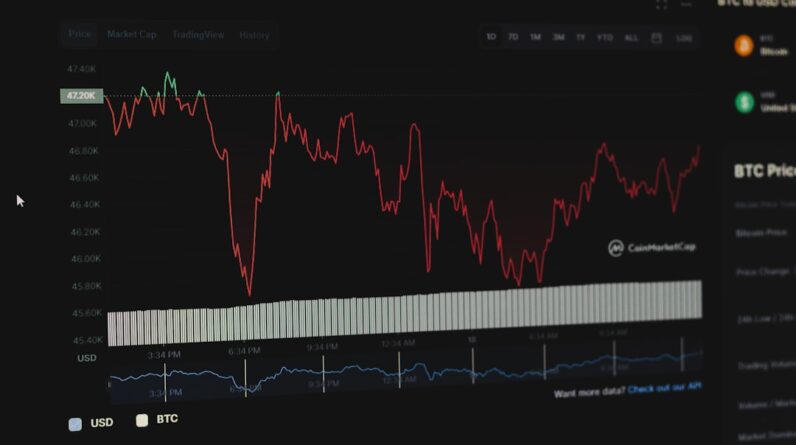
In the rapidly evolving world of cryptocurrency, trading algorithms have emerged as powerful tools that can significantly enhance your trading strategies. These algorithms, which are essentially sets of rules and calculations, automate the process of buying and selling digital assets. By leveraging technology, you can execute trades at speeds and frequencies that would be impossible for a human trader.
This automation not only saves time but also allows you to capitalize on market opportunities that may arise in the blink of an eye. As you delve deeper into the realm of crypto trading, you’ll discover that these algorithms can be tailored to suit your specific trading style and risk tolerance. Whether you are a day trader looking to make quick profits or a long-term investor aiming for steady growth, there is likely an algorithm that can align with your goals.
Understanding the fundamentals of these trading algorithms is crucial for anyone looking to navigate the complexities of the cryptocurrency market effectively.
Key Takeaways
- Crypto trading algorithms use mathematical models and data analysis to make automated trading decisions in the cryptocurrency market.
- Data analysis plays a crucial role in identifying patterns and trends in the cryptocurrency market, which is essential for developing effective trading algorithms.
- Crypto trading algorithms operate based on predefined rules and parameters, executing trades automatically without human intervention.
- Factors such as market sentiment, liquidity, and price movements influence the performance of crypto trading algorithms.
- Market volatility can impact the performance of crypto trading algorithms, leading to potential gains or losses for traders.
The Role of Data Analysis in Crypto Trading Algorithms
Data analysis is at the heart of crypto trading algorithms, serving as the foundation upon which these automated systems operate. As a trader, you must recognize that the cryptocurrency market is driven by vast amounts of data, including price movements, trading volumes, and market sentiment. By analyzing this data, you can identify patterns and trends that inform your trading decisions.
Algorithms utilize sophisticated statistical techniques to process this information, allowing them to make predictions about future price movements. Moreover, the ability to analyze historical data is invaluable. By examining past market behavior, you can develop models that help you anticipate how cryptocurrencies might react under similar conditions in the future.
This predictive capability is what sets successful trading algorithms apart from those that fail to deliver results. As you engage with these algorithms, you’ll find that they can adapt to changing market conditions, continuously refining their strategies based on new data inputs.
Understanding the Mechanics of Crypto Trading Algorithms

To fully appreciate the power of crypto trading algorithms, it’s essential to understand their underlying mechanics. At their core, these algorithms operate on predefined rules that dictate when to buy or sell a particular cryptocurrency. These rules can be based on technical indicators, such as moving averages or relative strength index (RSI), or they can incorporate more complex strategies involving machine learning and artificial intelligence.
As you explore different algorithms, you’ll encounter various types, including market-making algorithms, arbitrage algorithms, and trend-following algorithms. Each type serves a distinct purpose and employs different strategies to achieve its objectives. For instance, market-making algorithms aim to provide liquidity by placing buy and sell orders simultaneously, while arbitrage algorithms exploit price discrepancies across different exchanges.
Understanding these mechanics will empower you to choose or design an algorithm that aligns with your trading philosophy.
Factors Influencing Crypto Trading Algorithms
Several factors influence the effectiveness of crypto trading algorithms, and as a trader, you must be aware of these variables to optimize your strategies. Market conditions play a significant role; for instance, during periods of high volatility, certain algorithms may perform better than others. Additionally, external factors such as regulatory changes or macroeconomic events can impact market sentiment and subsequently affect algorithm performance.
Another critical factor is the quality of data being fed into the algorithm. Inaccurate or outdated data can lead to poor decision-making and ultimately result in losses. Therefore, ensuring that your algorithm has access to real-time data from reliable sources is paramount.
Furthermore, the parameters you set within the algorithm—such as risk thresholds and trade sizes—will also influence its performance. By continuously monitoring and adjusting these factors, you can enhance the effectiveness of your trading algorithm.
The Impact of Market Volatility on Crypto Trading Algorithms
Market volatility is a defining characteristic of the cryptocurrency landscape, and it has profound implications for crypto trading algorithms. As a trader, you must understand that high volatility can create both opportunities and risks. On one hand, rapid price fluctuations can lead to significant profits if your algorithm is designed to capitalize on these movements.
On the other hand, increased volatility can also result in substantial losses if your algorithm fails to react appropriately. To navigate this volatility effectively, many traders employ algorithms that incorporate risk management strategies tailored to fluctuating market conditions. For example, some algorithms may use stop-loss orders to limit potential losses during turbulent periods.
Others might adjust their trading frequency based on volatility metrics, executing trades more aggressively when markets are stable and pulling back during chaotic times. By understanding how your algorithm interacts with market volatility, you can better position yourself for success in this unpredictable environment.
The Importance of Risk Management in Crypto Trading Algorithms

Risk management is a critical component of any successful trading strategy, and it becomes even more vital when dealing with crypto trading algorithms. As you engage with these automated systems, it’s essential to implement robust risk management practices to protect your capital from unforeseen market movements. This involves setting clear parameters for how much you’re willing to risk on each trade and establishing stop-loss levels to minimize potential losses.
Additionally, diversification is a key aspect of risk management in crypto trading. By spreading your investments across multiple cryptocurrencies or trading strategies, you can reduce the impact of adverse price movements on your overall portfolio. Many traders also utilize position sizing techniques to ensure that no single trade has an outsized effect on their capital.
By incorporating these risk management principles into your algorithmic trading approach, you can enhance your chances of long-term success while minimizing potential pitfalls.
The Evolution of Crypto Trading Algorithms
The landscape of crypto trading algorithms has evolved significantly since the inception of cryptocurrencies. Initially, traders relied on simple rule-based systems that executed trades based on basic technical indicators. However, as the market matured and technology advanced, so too did the complexity of these algorithms.
Today’s algorithms often incorporate machine learning and artificial intelligence, allowing them to learn from historical data and adapt their strategies in real-time. As you explore this evolution, you’ll notice that the rise of high-frequency trading (HFT) has also influenced algorithm development. HFT strategies leverage advanced technology to execute thousands of trades per second, capitalizing on minute price discrepancies across exchanges.
This shift has led to increased competition among traders and necessitated the development of more sophisticated algorithms capable of keeping pace with rapid market changes.
The Future of Crypto Trading Algorithms
Looking ahead, the future of crypto trading algorithms appears promising yet challenging. As technology continues to advance, we can expect even more sophisticated algorithms that leverage big data analytics and artificial intelligence to enhance trading performance. These innovations will likely lead to greater efficiency in executing trades and improved predictive capabilities based on real-time market analysis.
However, with these advancements come new challenges. The increasing complexity of algorithms may lead to greater risks if not managed properly. Additionally, regulatory scrutiny surrounding algorithmic trading in cryptocurrencies is likely to intensify as governments seek to protect investors and ensure market integrity.
As a trader navigating this evolving landscape, staying informed about technological advancements and regulatory developments will be crucial for leveraging crypto trading algorithms effectively in the future. In conclusion, crypto trading algorithms represent a powerful tool for traders looking to navigate the complexities of the cryptocurrency market. By understanding their mechanics, incorporating robust data analysis and risk management practices, and staying attuned to market volatility and evolving technologies, you can position yourself for success in this dynamic environment.
As you continue your journey in crypto trading, embracing these automated systems will undoubtedly enhance your ability to make informed decisions and capitalize on emerging opportunities.
FAQs
What is a crypto trading algorithm?
A crypto trading algorithm is a set of rules and instructions designed to automatically execute trades in the cryptocurrency market based on predetermined criteria and market conditions.
How do crypto trading algorithms work?
Crypto trading algorithms work by analyzing market data, such as price movements and trading volume, to identify potential trading opportunities. They then execute buy or sell orders based on the predefined rules and parameters set by the trader or developer.
What are the benefits of using crypto trading algorithms?
Some benefits of using crypto trading algorithms include the ability to execute trades 24/7, the elimination of emotional decision-making, the ability to backtest strategies, and the potential for faster execution of trades.
What are the different types of crypto trading algorithms?
There are various types of crypto trading algorithms, including trend-following algorithms, mean-reversion algorithms, arbitrage algorithms, and market-making algorithms. Each type is designed to capitalize on different market conditions and trading strategies.
Are there any risks associated with using crypto trading algorithms?
Yes, there are risks associated with using crypto trading algorithms, such as the potential for programming errors, technical glitches, and the need for continuous monitoring and adjustment of the algorithms to adapt to changing market conditions.