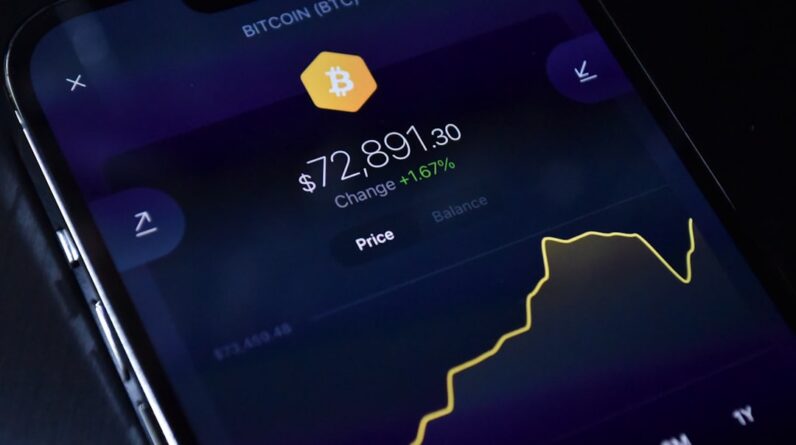
As you embark on your journey into the world of cryptocurrency investing, it’s essential to grasp the foundational concepts that underpin this digital asset class. Cryptocurrency, at its core, is a form of digital or virtual currency that uses cryptography for security. Unlike traditional currencies issued by governments, cryptocurrencies operate on decentralized networks based on blockchain technology.
This decentralized nature means that no single entity controls the currency, which can offer both opportunities and challenges for investors like you. To get started, familiarize yourself with key terms such as wallets, exchanges, and blockchain. A wallet is a digital tool that allows you to store and manage your cryptocurrencies securely.
Exchanges are platforms where you can buy, sell, or trade cryptocurrencies for other digital assets or fiat currencies. Understanding how these components work together will provide you with a solid foundation as you navigate the complexities of crypto investing. Additionally, it’s crucial to recognize that the crypto market is highly volatile, with prices capable of experiencing significant fluctuations in short periods.
This volatility can present both risks and rewards, making it imperative for you to approach your investments with caution and a well-informed strategy.
Key Takeaways
- Crypto investing involves buying and holding digital assets with the expectation of profit.
- Research and due diligence are crucial in understanding the potential of a cryptocurrency or token.
- Evaluating factors such as technology, team, and market demand is essential in choosing the right crypto investment.
- Risk management strategies, such as setting stop-loss orders and diversifying the portfolio, are important in crypto investing.
- Market analysis and trends play a significant role in making informed investment decisions in the crypto space.
The Importance of Research and Due Diligence
Before diving headfirst into crypto investing, conducting thorough research and due diligence is paramount. The cryptocurrency market is rife with opportunities, but it is also populated with scams and poorly conceived projects. By taking the time to investigate potential investments, you can better position yourself to make informed decisions that align with your financial goals.
Start by exploring the fundamentals of each cryptocurrency you’re considering, including its use case, technology, and the team behind the project. Understanding these elements will help you gauge the potential for long-term success. Moreover, staying updated on market trends and news is crucial in the fast-paced world of crypto.
Follow reputable sources of information, engage with online communities, and participate in discussions to gain insights from experienced investors. This proactive approach will not only enhance your knowledge but also help you identify emerging trends and potential pitfalls. Remember, the more informed you are, the better equipped you will be to navigate the complexities of the crypto landscape.
Evaluating Different Cryptocurrencies and Tokens

As you delve deeper into crypto investing, you’ll encounter a myriad of cryptocurrencies and tokens, each with its unique features and purposes. Evaluating these digital assets requires a keen understanding of their underlying technology and market positioning. Start by examining the whitepapers of various projects; these documents outline the vision, goals, and technical specifications of the cryptocurrency.
A well-crafted whitepaper can provide valuable insights into the project’s legitimacy and potential for growth. In addition to whitepapers, consider factors such as market capitalization, trading volume, and historical price performance when evaluating cryptocurrencies. Market capitalization gives you an idea of a cryptocurrency’s size relative to others in the market, while trading volume indicates how actively it is being bought and sold.
Analyzing historical price trends can also help you identify patterns that may inform your investment decisions. By taking a comprehensive approach to evaluation, you can better discern which cryptocurrencies align with your investment strategy.
Risk Management Strategies in Crypto Investing
Risk management is a critical aspect of successful crypto investing. Given the inherent volatility of the market, it’s essential to develop strategies that protect your capital while allowing for potential growth. One effective approach is to establish clear investment goals and risk tolerance levels before making any trades.
Determine how much capital you are willing to invest and what percentage of your portfolio you are comfortable risking on any single trade. This self-awareness will help you make more rational decisions rather than emotional ones during market fluctuations. Another key strategy is to implement stop-loss orders when trading cryptocurrencies.
A stop-loss order automatically sells your asset when it reaches a predetermined price point, helping to limit potential losses. Additionally, consider setting profit-taking targets to secure gains when your investments perform well. By employing these risk management techniques, you can create a more balanced approach to crypto investing that minimizes losses while maximizing potential returns.
The Role of Market Analysis and Trends
Understanding market analysis and trends is vital for any investor looking to succeed in the cryptocurrency space. Market analysis involves examining various factors that influence price movements, including technical indicators, market sentiment, and macroeconomic conditions. By analyzing these elements, you can gain insights into potential price trends and make more informed investment decisions.
Technical analysis is particularly useful in crypto investing, as it allows you to study historical price charts and identify patterns that may indicate future movements. Familiarize yourself with common technical indicators such as moving averages, Relative Strength Index (RSI), and Fibonacci retracement levels. These tools can help you identify entry and exit points for your trades.
Additionally, keeping an eye on broader market trends—such as regulatory developments or technological advancements—can provide context for price movements and help you anticipate shifts in market sentiment.
Utilizing Tools and Resources for Crypto Investing

In today’s digital age, a wealth of tools and resources are available to assist you in your crypto investing journey. From portfolio trackers to market analysis platforms, leveraging these resources can enhance your decision-making process and streamline your investment strategy. Portfolio trackers allow you to monitor your holdings in real-time, providing insights into performance metrics such as gains or losses over time.
Furthermore, consider utilizing trading platforms that offer advanced charting tools and analytics features. These platforms often provide access to real-time data and allow you to customize your trading experience based on your preferences. Engaging with online communities—such as forums or social media groups—can also be beneficial for sharing insights and learning from other investors’ experiences.
By harnessing these tools and resources effectively, you can stay informed and make more strategic investment choices.
Diversification and Portfolio Management
Diversification is a fundamental principle in investing that applies equally to cryptocurrency markets. By spreading your investments across various cryptocurrencies and tokens, you can mitigate risk while maximizing potential returns. A well-diversified portfolio reduces the impact of poor performance from any single asset on your overall investment strategy.
As you build your portfolio, consider allocating funds to different sectors within the crypto space—such as DeFi (Decentralized Finance), NFTs (Non-Fungible Tokens), or stablecoins—to capture various growth opportunities. Effective portfolio management also involves regularly reviewing and rebalancing your holdings based on market conditions and performance metrics. As certain assets outperform others or as new opportunities arise, adjusting your portfolio can help ensure that it remains aligned with your investment goals.
Establishing a routine for monitoring your investments will enable you to stay proactive rather than reactive in response to market changes.
When it comes to crypto investing, deciding between long-term and short-term strategies is crucial for aligning your approach with your financial objectives. Long-term investing typically involves holding assets for an extended period—often years—with the belief that their value will appreciate over time. This strategy requires patience and a strong conviction in the underlying technology or project behind the cryptocurrency.
On the other hand, short-term trading focuses on capitalizing on price fluctuations within shorter time frames—ranging from minutes to weeks. This approach often involves more frequent buying and selling based on technical analysis or market sentiment. While short-term trading can yield quick profits, it also comes with increased risks due to market volatility.
Ultimately, determining which strategy suits you best depends on your risk tolerance, investment goals, and time commitment. In conclusion, navigating the world of cryptocurrency investing requires a solid understanding of its fundamentals, diligent research practices, effective risk management strategies, and an awareness of market trends. By utilizing available tools and resources while diversifying your portfolio effectively, you can position yourself for success in this dynamic landscape.
Whether you choose a long-term or short-term investment strategy, staying informed and adaptable will be key to achieving your financial aspirations in the ever-evolving world of cryptocurrencies.