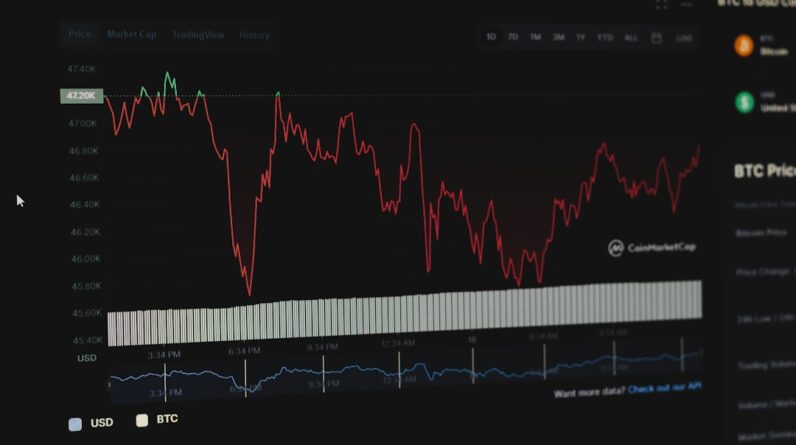
When you delve into the world of cryptocurrency, one of the first things that strikes you is its inherent volatility. Unlike traditional assets such as stocks or bonds, cryptocurrencies can experience dramatic price swings within a matter of hours or even minutes. This volatility can be attributed to several factors, including market sentiment, regulatory news, and technological advancements.
As an investor, you must recognize that while this volatility presents opportunities for significant gains, it also poses substantial risks. The rapid fluctuations can lead to emotional decision-making, which often results in losses rather than profits. To navigate this unpredictable landscape, you need to develop a keen understanding of market trends and the forces that drive price changes.
Keeping abreast of news related to major cryptocurrencies, such as Bitcoin and Ethereum, as well as emerging altcoins, is crucial. You should also familiarize yourself with technical analysis tools that can help you identify potential entry and exit points. By doing so, you can better position yourself to capitalize on the market’s ups and downs while minimizing the risks associated with sudden price drops.
Key Takeaways
- Cryptocurrency is highly volatile and can experience rapid price fluctuations, making it a risky investment.
- Regulatory risks and legal uncertainty surrounding cryptocurrency can lead to sudden changes in the market and affect investor confidence.
- Security risks and hacking concerns are prevalent in the cryptocurrency space, leading to potential loss of funds and personal information.
- Market manipulation and fraudulent activities are common in the cryptocurrency market, posing risks to investors and traders.
- Lack of consumer protection and investor safeguards in the cryptocurrency market can leave individuals vulnerable to scams and fraud.
Regulatory Risks and Legal Uncertainty
As you explore cryptocurrency investment, it’s essential to consider the regulatory landscape that surrounds it. Governments around the world are still grappling with how to classify and regulate digital currencies. This uncertainty can create a precarious environment for investors like you.
For instance, a sudden announcement from a government agency regarding stricter regulations or outright bans can lead to immediate market reactions, often resulting in significant losses for those caught off guard. Moreover, the lack of a unified regulatory framework across different jurisdictions adds another layer of complexity. You may find that what is legal in one country could be illegal in another.
This inconsistency can complicate your investment strategy, especially if you are considering international investments in cryptocurrencies. Staying informed about regulatory developments is vital; it allows you to make educated decisions and adapt your investment strategy accordingly.
Security Risks and Hacking Concerns

Security is a paramount concern in the cryptocurrency space, and as an investor, you must be vigilant about the risks associated with hacking and theft. Numerous high-profile hacks have occurred over the years, resulting in millions of dollars lost and countless investors left in the lurch. These incidents often involve exchanges or wallets that fail to implement robust security measures.
As you engage with these platforms, it’s crucial to choose reputable exchanges with a proven track record of security. Additionally, you should consider employing personal security measures to protect your investments. Utilizing hardware wallets for long-term storage of your cryptocurrencies can significantly reduce the risk of theft.
Furthermore, enabling two-factor authentication on your accounts adds an extra layer of protection against unauthorized access. By taking these precautions, you can safeguard your assets and mitigate the risks associated with security breaches in the cryptocurrency ecosystem.
Market Manipulation and Fraudulent Activities
The cryptocurrency market is not immune to manipulation and fraudulent activities, which can pose significant risks for investors like you. Due to its relatively low market capitalization compared to traditional financial markets, cryptocurrencies are particularly susceptible to price manipulation tactics such as pump-and-dump schemes. In these scenarios, unscrupulous actors artificially inflate the price of a cryptocurrency before selling off their holdings at a profit, leaving unsuspecting investors with losses.
To protect yourself from falling victim to such schemes, it’s essential to conduct thorough research before investing in any cryptocurrency. Look for projects with transparent teams, clear use cases, and active communities. Engaging with reputable sources of information can help you discern legitimate opportunities from those that may be designed to exploit unsuspecting investors.
By remaining vigilant and informed, you can navigate the murky waters of market manipulation and make more informed investment decisions.
Lack of Consumer Protection and Investor Safeguards
One of the most significant drawbacks of investing in cryptocurrencies is the lack of consumer protection and investor safeguards that are typically found in traditional financial markets. Unlike regulated financial institutions, cryptocurrency exchanges and platforms often operate with minimal oversight, leaving investors vulnerable to fraud and mismanagement. As you consider entering this space, it’s crucial to understand that if something goes wrong—be it an exchange failure or a scam—you may have little recourse for recovering your funds.
To mitigate these risks, you should prioritize due diligence when selecting platforms for trading or storing your cryptocurrencies. Research user reviews and feedback to gauge the reliability of an exchange or wallet service. Additionally, consider diversifying your investments across multiple platforms to reduce your exposure to any single point of failure.
By taking these proactive steps, you can enhance your protection as an investor in the volatile world of cryptocurrency.
Environmental Concerns and Sustainability Risks

As you engage with cryptocurrency investments, it’s important to consider the environmental implications associated with certain cryptocurrencies, particularly those that rely on energy-intensive mining processes. Bitcoin mining, for example, has come under scrutiny for its substantial energy consumption and carbon footprint. As awareness of climate change grows, many investors are beginning to question the sustainability of their investments in cryptocurrencies that contribute to environmental degradation.
You may want to explore alternative cryptocurrencies that utilize more energy-efficient consensus mechanisms, such as proof-of-stake (PoS) instead of proof-of-work (PoW). These alternatives often require significantly less energy to operate while still providing robust security features. By aligning your investment choices with environmentally sustainable practices, you not only contribute positively to global efforts but also position yourself favorably in a market increasingly focused on sustainability.
Technological Risks and Blockchain Vulnerabilities
The technology underpinning cryptocurrencies—blockchain—offers numerous advantages but is not without its vulnerabilities. As an investor, you should be aware that blockchain technology is still evolving, and potential flaws or bugs could pose risks to your investments. For instance, smart contracts—self-executing contracts with the terms directly written into code—can contain vulnerabilities that hackers might exploit.
To safeguard your investments against technological risks, it’s essential to stay informed about developments in blockchain technology and security practices. Engaging with communities focused on blockchain research can provide insights into emerging threats and best practices for mitigating them. Additionally, consider investing in projects that prioritize security audits and have established protocols for addressing vulnerabilities.
By being proactive about technological risks, you can enhance your investment strategy in the ever-evolving landscape of cryptocurrency.
Evaluating the Potential Rewards and Risks of Crypto Investment
Ultimately, investing in cryptocurrency requires a careful evaluation of both potential rewards and inherent risks. The allure of high returns can be tempting; however, it’s crucial to approach this market with a balanced perspective. As you weigh your options, consider your risk tolerance and investment goals.
Are you looking for short-term gains or long-term growth? Understanding your objectives will help guide your investment strategy. Moreover, diversification remains a key principle in managing risk within your cryptocurrency portfolio.
By spreading your investments across various assets—such as established coins like Bitcoin and Ethereum alongside promising altcoins—you can mitigate potential losses while still capitalizing on growth opportunities. Regularly reassessing your portfolio based on market conditions will also enable you to adapt your strategy as needed. By taking a measured approach to evaluating both rewards and risks, you can navigate the complexities of cryptocurrency investment more effectively and position yourself for success in this dynamic market.
FAQs
What is cryptocurrency?
Cryptocurrency is a digital or virtual form of currency that uses cryptography for security and operates independently of a central bank.
Is investing in cryptocurrency risky?
Yes, investing in cryptocurrency is considered risky due to its volatile nature and lack of regulation.
What are the risks associated with investing in cryptocurrency?
Some of the risks associated with investing in cryptocurrency include price volatility, security concerns, regulatory uncertainty, and potential for fraud.
Are there any benefits to investing in cryptocurrency?
Some potential benefits of investing in cryptocurrency include the potential for high returns, diversification of investment portfolio, and access to innovative technology.
What are some tips for mitigating the risks of investing in cryptocurrency?
Some tips for mitigating the risks of investing in cryptocurrency include conducting thorough research, diversifying your investment portfolio, and only investing what you can afford to lose.