In the rapidly evolving landscape of digital finance, crypto wallets have emerged as essential tools for anyone looking to engage with cryptocurrencies. These wallets serve as the gateway to the world of digital assets, allowing you to store, send, and receive various cryptocurrencies securely. Unlike traditional wallets that hold physical currency, crypto wallets operate on a digital platform, utilizing cryptographic techniques to ensure the safety and integrity of your assets.
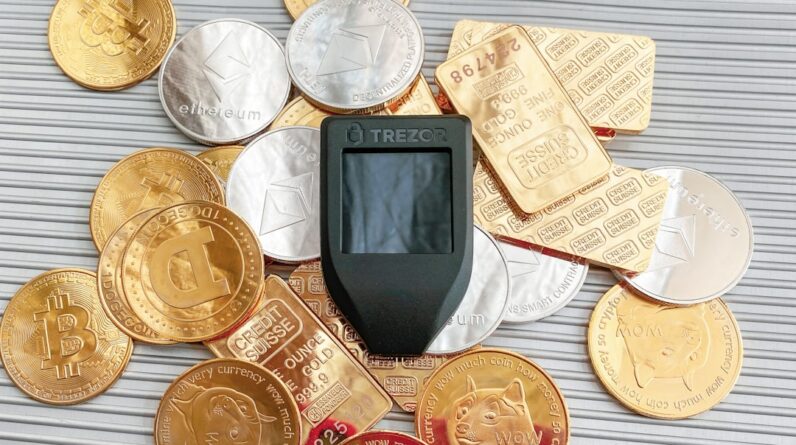
As you delve into the world of cryptocurrencies, understanding how these wallets function and their significance in the broader financial ecosystem becomes crucial. Crypto wallets come in various forms, each designed to cater to different user needs and preferences. You might encounter hardware wallets, which are physical devices that store your private keys offline, providing an extra layer of security against online threats.
Alternatively, software wallets, which can be mobile or desktop applications, offer convenience and ease of access for everyday transactions. Regardless of the type you choose, the primary function remains the same: to facilitate your interaction with cryptocurrencies while safeguarding your investments.
Key Takeaways
- Crypto wallets are digital tools that allow users to store, send, and receive cryptocurrencies.
- Security and privacy concerns are major considerations when using crypto wallets, as they are often targeted by hackers and scammers.
- Integration with traditional banking is becoming more common, with some banks offering services to buy, sell, and hold cryptocurrencies.
- User-friendly interfaces and accessibility are important for mass adoption of crypto wallets, as they make it easier for people to manage their digital assets.
- Interoperability and cross-chain functionality are key features for crypto wallets, allowing users to interact with different blockchains and assets.
- The rise of decentralized finance (DeFi) has revolutionized the use of crypto wallets, enabling users to access a wide range of financial services without traditional intermediaries.
- NFTs (non-fungible tokens) are a new form of digital asset that have gained popularity, and crypto wallets play a crucial role in storing and managing NFTs.
- Regulation and compliance in the crypto wallet space are evolving as governments and financial authorities seek to address potential risks and protect consumers.
Security and Privacy Concerns
As you navigate the world of crypto wallets, security and privacy should be at the forefront of your considerations. The decentralized nature of cryptocurrencies means that once a transaction is made, it cannot be reversed. This characteristic makes it imperative for you to take proactive measures to protect your assets.
Many users have fallen victim to hacks and scams due to inadequate security practices. Therefore, understanding the potential vulnerabilities associated with different wallet types is essential for safeguarding your investments. When using a crypto wallet, you must be aware of the importance of private keys.
These keys are essentially your access codes to your digital assets; losing them can result in irreversible loss. You should always opt for wallets that offer robust security features such as two-factor authentication (2FA) and biometric verification. Additionally, consider using hardware wallets for long-term storage of significant amounts of cryptocurrency, as they provide an offline solution that is less susceptible to cyber threats.
By prioritizing security and privacy, you can enjoy peace of mind while engaging in the exciting world of digital currencies.
Integration with Traditional Banking

The integration of crypto wallets with traditional banking systems marks a significant shift in how you can manage your finances. As cryptocurrencies gain mainstream acceptance, many banks are beginning to offer services that allow you to link your crypto wallet with your bank account. This development enables you to seamlessly convert digital assets into fiat currency and vice versa, making it easier for you to navigate between the two worlds.
The convenience of having both options at your fingertips can enhance your overall financial management experience. Moreover, this integration fosters a sense of legitimacy for cryptocurrencies in the eyes of traditional financial institutions. As banks adapt to the growing demand for digital assets, they are more likely to develop products and services tailored to crypto users like yourself.
This could include crypto-backed loans or interest-bearing accounts for your digital assets. By bridging the gap between traditional banking and cryptocurrency, you can enjoy a more holistic approach to managing your wealth.
User-Friendly Interfaces and Accessibility
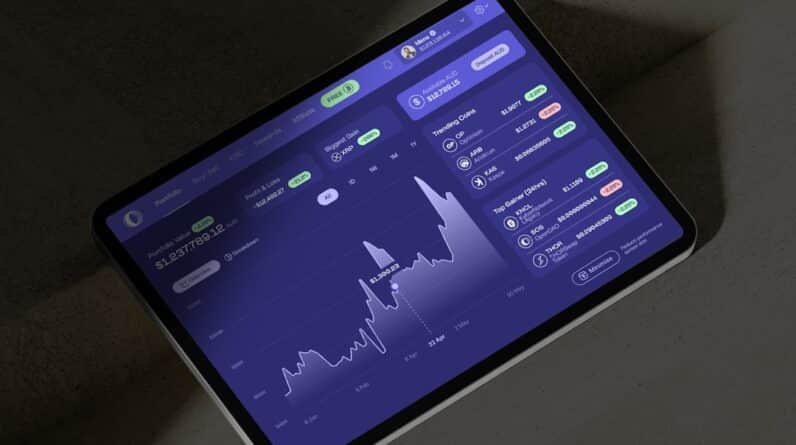
One of the most significant barriers to entry in the world of cryptocurrencies has been the complexity associated with using crypto wallets. However, recent advancements have led to the development of user-friendly interfaces that make it easier for you to navigate this digital landscape. Wallet providers are increasingly focusing on creating intuitive designs that cater to both novice and experienced users alike.
This shift towards accessibility ensures that you can engage with cryptocurrencies without feeling overwhelmed by technical jargon or complicated processes. In addition to user-friendly interfaces, mobile applications have made it possible for you to manage your crypto assets on the go. With just a few taps on your smartphone, you can send or receive cryptocurrencies, check your balance, and even track market trends in real time.
This level of accessibility empowers you to take control of your financial future while enjoying the flexibility that comes with digital currencies. As technology continues to evolve, you can expect even more innovations aimed at simplifying the user experience in the crypto wallet space.
Interoperability and Cross-Chain Functionality
As the cryptocurrency ecosystem expands, interoperability between different blockchain networks has become increasingly important for users like yourself. Interoperability refers to the ability of various blockchain systems to communicate and interact with one another seamlessly. This functionality allows you to transfer assets across different platforms without facing significant hurdles or delays.
By embracing cross-chain capabilities, crypto wallets can enhance your overall experience by providing greater flexibility in managing your digital assets. The rise of decentralized exchanges (DEXs) has further emphasized the need for interoperability in the crypto space. These platforms enable you to trade cryptocurrencies directly from your wallet without relying on centralized intermediaries.
As a result, you can enjoy lower fees and faster transaction times while maintaining control over your assets. The development of cross-chain bridges and protocols is paving the way for a more interconnected blockchain ecosystem, ultimately benefiting users like yourself by expanding your options for trading and investing in digital currencies.
The Rise of Decentralized Finance (DeFi)

Empowering Financial Freedom
This shift towards decentralization empowers you to take charge of your financial activities, eliminating the need for intermediaries and allowing you to make informed decisions about your investments. By cutting out the middleman, you can potentially earn higher returns on your investments compared to traditional banking options.
Accessibility and Transparency
The appeal of DeFi lies in its accessibility and transparency. You no longer need to rely on banks or financial institutions to manage your assets. Instead, you can engage with smart contracts that automate transactions and eliminate the need for trust in third parties. This democratization of finance allows you to participate in a global economy where anyone with an internet connection can access financial services.
A New Era of Financial Opportunities
As DeFi continues to grow, it presents exciting opportunities for users like yourself to explore new ways of managing wealth and generating income. With DeFi, you can discover new ways to grow your wealth and achieve financial freedom.
NFTs and the Evolution of Digital Assets
The rise of Non-Fungible Tokens (NFTs) has revolutionized how you perceive ownership and value in the digital realm. Unlike cryptocurrencies such as Bitcoin or Ethereum, which are fungible and interchangeable, NFTs represent unique digital assets that can range from art and music to virtual real estate and collectibles. As a user, engaging with NFTs through your crypto wallet opens up new avenues for creativity and investment opportunities.
NFTs have not only transformed how artists monetize their work but have also created a vibrant marketplace where collectors can buy, sell, and trade unique digital items. By integrating NFT functionality into crypto wallets, providers are enabling you to manage both fungible and non-fungible assets seamlessly. This evolution signifies a broader shift towards recognizing digital ownership as a legitimate form of value in today’s economy.
As NFTs continue to gain traction, they will likely play an increasingly prominent role in shaping the future of digital assets.
Regulation and Compliance in the Crypto Wallet Space
As cryptocurrencies gain popularity, regulatory scrutiny has intensified across various jurisdictions worldwide. For users like yourself, understanding the implications of regulation on crypto wallets is essential for ensuring compliance while navigating this dynamic landscape. Governments are increasingly recognizing the need for frameworks that protect consumers while fostering innovation within the industry.
Regulatory compliance may involve Know Your Customer (KYC) procedures and Anti-Money Laundering (AML) measures that require wallet providers to verify user identities before allowing transactions. While these regulations aim to enhance security and prevent illicit activities, they may also introduce complexities for users who value privacy and anonymity in their financial dealings. Striking a balance between regulation and user freedom will be crucial as the crypto wallet space continues to evolve.
In conclusion, as you explore the world of crypto wallets, it is essential to stay informed about their functionalities, security measures, integration with traditional banking systems, user accessibility, interoperability, DeFi opportunities, NFTs, and regulatory developments. By understanding these aspects, you can make informed decisions that align with your financial goals while navigating this exciting new frontier in digital finance.
FAQs
What is a crypto wallet?
A crypto wallet is a software program that stores private and public keys and interacts with various blockchain to enable users to send and receive digital currency and monitor their balance.
What are the different types of crypto wallets?
There are several types of crypto wallets, including hardware wallets, software wallets, and paper wallets. Hardware wallets are physical devices that store a user’s private keys offline, while software wallets are digital applications that can be accessed on a computer or smartphone. Paper wallets involve printing out the public and private keys on a piece of paper for safekeeping.
What is the future of crypto wallets?
The future of crypto wallets is likely to involve increased security measures, improved user experience, and greater integration with other financial services. As the adoption of cryptocurrencies continues to grow, crypto wallets are expected to become more user-friendly and accessible to a wider audience. Additionally, advancements in technology may lead to the development of new types of wallets and enhanced features for existing ones.