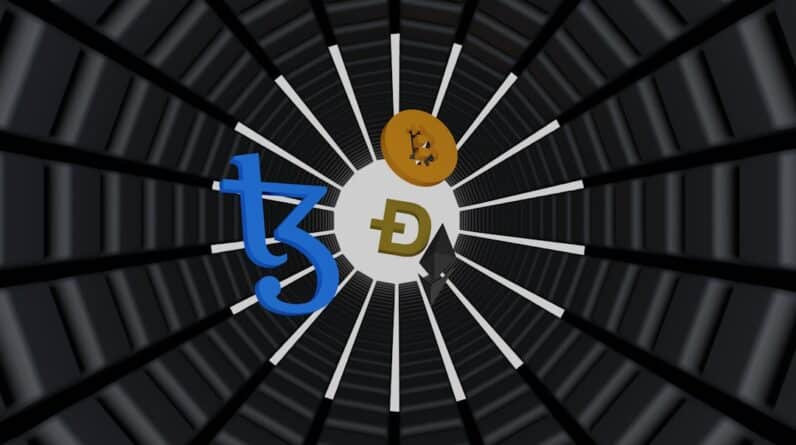
When you first hear about Dogecoin, it might seem like just another cryptocurrency in a sea of digital currencies. However, Dogecoin has carved out a unique niche for itself since its inception in 2013. Originally created as a joke based on the popular “Doge” meme featuring a Shiba Inu, Dogecoin has evolved into a vibrant community and a legitimate player in the cryptocurrency market.
You may find it fascinating that what started as a lighthearted project has garnered a dedicated following and significant market capitalization, often driven by social media trends and celebrity endorsements. As you delve deeper into the world of Dogecoin, you’ll discover that it is not just about memes and fun; it also embodies the principles of decentralization and community engagement that are central to the cryptocurrency ethos. Unlike Bitcoin, which has a capped supply of 21 million coins, Dogecoin operates on a different model.
This article will explore the intricacies of Dogecoin’s maximum supply, its implications for value, and how it compares to other cryptocurrencies. By understanding these elements, you can gain a clearer picture of Dogecoin’s place in the ever-evolving landscape of digital currencies.
Key Takeaways
- Dogecoin is a popular cryptocurrency that was initially created as a joke but has gained significant attention and value in recent years.
- The maximum supply of Dogecoin is capped at 10,000 coins per block and has no hard cap, meaning that new coins will continue to be created indefinitely.
- The maximum supply of a cryptocurrency plays a crucial role in determining its scarcity and ultimately its value in the market.
- Factors affecting the maximum supply of Dogecoin include mining rewards, block time, and overall demand for the cryptocurrency.
- The maximum supply of Dogecoin directly impacts its value, as an unlimited supply can lead to inflation and potentially devalue the currency over time.
Understanding the Maximum Supply of Dogecoin
One of the most intriguing aspects of Dogecoin is its approach to maximum supply. Unlike many cryptocurrencies that have a fixed cap, Dogecoin has an inflationary model. Initially, there was a limit of 100 billion coins, but this cap was removed in 2015, allowing for an unlimited supply.
As you consider this, it’s essential to recognize that Dogecoin’s inflationary nature means that new coins are continuously minted, with approximately 5 billion new coins added to circulation each year. This ongoing issuance can create a different dynamic compared to deflationary cryptocurrencies. The decision to adopt an unlimited supply was strategic, aimed at encouraging spending rather than hoarding.
In the world of cryptocurrencies, where many investors are often inclined to hold onto their assets in anticipation of price increases, Dogecoin’s model promotes transactions and usage. This unique approach can be seen as a double-edged sword; while it fosters a vibrant economy around the currency, it also raises questions about long-term value retention. Understanding this balance is crucial as you navigate the complexities of Dogecoin’s market behavior.
The Role of Maximum Supply in Cryptocurrency

The concept of maximum supply plays a pivotal role in shaping the economic principles behind cryptocurrencies. In general, a capped supply can create scarcity, which often leads to increased demand and higher prices over time. When you think about Bitcoin’s fixed supply of 21 million coins, it’s clear how this scarcity can drive value appreciation as more people enter the market.
Conversely, an unlimited supply like that of Dogecoin introduces different dynamics that can influence its value and market perception. In the case of Dogecoin, the absence of a maximum supply means that inflation is built into its economic model. This inflation can lead to a decrease in individual coin value over time if demand does not keep pace with the increasing supply.
However, this does not necessarily spell doom for Dogecoin; instead, it creates an environment where the currency is more accessible for everyday transactions. As you consider these factors, it’s essential to recognize that the role of maximum supply is not merely about numbers; it reflects broader economic principles that govern how cryptocurrencies function within the global financial ecosystem.
Factors Affecting the Maximum Supply of Dogecoin
Several factors influence the maximum supply of Dogecoin and its implications for the cryptocurrency’s ecosystem. One significant factor is community engagement and usage. The more people use Dogecoin for transactions—whether tipping content creators online or making purchases—the more demand there is for the currency.
This increased usage can help offset the effects of inflation by creating a vibrant economy around Dogecoin, encouraging people to spend rather than hoard their coins. Another critical factor is market sentiment and external influences. As you may have noticed, social media plays a significant role in shaping public perception and interest in cryptocurrencies.
Events such as endorsements from high-profile figures or viral trends can lead to sudden spikes in demand for Dogecoin, impacting its price and circulation dynamics. Additionally, regulatory developments and technological advancements within the cryptocurrency space can also affect how Dogecoin is perceived and utilized, further influencing its maximum supply and overall market behavior.
How the Maximum Supply of Dogecoin Affects its Value
The maximum supply of Dogecoin has direct implications for its value in the marketplace. With an unlimited supply, you might wonder how Dogecoin maintains its value amidst continuous inflation. The answer lies in demand dynamics and community engagement.
If more people are willing to use and transact with Dogecoin, this demand can help stabilize its price despite the ongoing issuance of new coins. In essence, as long as there is sufficient interest and utility for Dogecoin, its value can remain relatively stable. However, it’s crucial to remain aware of potential pitfalls associated with an inflationary model.
If demand wanes or if speculative interest diminishes, you could see a decline in value as more coins flood the market without corresponding demand. This scenario highlights the importance of community involvement and ongoing use cases for Dogecoin. As you explore this cryptocurrency further, consider how its unique economic model shapes not only its current value but also its potential for future growth or decline.
Potential Implications of the Maximum Supply of Dogecoin

The implications of Dogecoin’s maximum supply extend beyond mere numbers; they touch on broader economic principles and community dynamics within the cryptocurrency space. One potential implication is that an inflationary model may encourage more frequent transactions rather than long-term holding strategies. This could foster a culture where users actively engage with their holdings, using them for everyday purchases or tipping rather than treating them solely as investment assets.
On the flip side, you should also consider the risks associated with an unlimited supply. If inflation outpaces demand significantly, it could lead to devaluation over time, making it less appealing as a store of value compared to capped cryptocurrencies like Bitcoin or Ethereum. This reality underscores the importance of community support and ongoing innovation within the Dogecoin ecosystem to maintain interest and utility.
Comparing Dogecoin’s Maximum Supply to Other Cryptocurrencies
When you compare Dogecoin’s maximum supply to other cryptocurrencies, significant differences emerge that highlight varying economic philosophies within the digital currency space. For instance, Bitcoin’s capped supply creates an environment of scarcity that many investors find appealing. This scarcity often drives speculation and long-term holding strategies among investors who believe in Bitcoin’s potential as “digital gold.” In contrast, Dogecoin’s unlimited supply encourages spending and transactional use but may deter those looking for long-term investment opportunities.
Ethereum presents another interesting comparison; while it does not have a fixed maximum supply like Bitcoin, it has implemented mechanisms such as EIP-1559 to introduce deflationary aspects through transaction fees being burned. This creates a balance between inflationary and deflationary pressures that can influence value over time. As you analyze these differences, consider how each cryptocurrency’s approach to maximum supply reflects its intended use case and community goals.
Conclusion and Future Outlook for Dogecoin’s Maximum Supply
As you reflect on Dogecoin’s maximum supply and its implications for value and community engagement, it’s clear that this cryptocurrency occupies a unique space within the digital currency landscape. Its inflationary model encourages spending and fosters a sense of community among users who appreciate its lighthearted origins while also recognizing its potential for real-world applications. However, challenges remain regarding maintaining interest and demand amidst continuous coin issuance.
Looking ahead, the future outlook for Dogecoin will likely depend on several factors: community engagement, technological advancements, and broader market trends within the cryptocurrency ecosystem. As you continue to explore this dynamic landscape, keep an eye on how these elements interact with Dogecoin’s unique economic model. Whether it becomes a staple for everyday transactions or faces challenges from competing cryptocurrencies will ultimately shape its trajectory in the years to come.
FAQs
What is the maximum supply of Dogecoin?
The maximum supply of Dogecoin is capped at 10,000 coins per block and there is no cap on the total supply of Dogecoin.
How many Dogecoins are currently in circulation?
As of now, there are over 130 billion Dogecoins in circulation.
Is there a limit to how many Dogecoins can be mined?
While there is no cap on the total supply of Dogecoin, there is a limit of 10,000 coins per block that can be mined.
What is the inflation rate of Dogecoin?
The inflation rate of Dogecoin is around 4% per year, which means that the supply of Dogecoin increases by approximately 4% annually.