As you embark on your journey into the world of Bitcoin investment, it’s essential to grasp the fundamental concepts that underpin this digital currency. Bitcoin, created in 2009 by an anonymous entity known as Satoshi Nakamoto, operates on a decentralized network called blockchain. This technology allows for secure and transparent transactions without the need for intermediaries like banks.
Understanding how Bitcoin works is crucial, as it will help you navigate the complexities of investing in this volatile asset. Investing in Bitcoin is not merely about buying and holding; it requires a comprehensive understanding of market dynamics, price fluctuations, and the factors that influence its value. You should familiarize yourself with terms like “mining,” “wallets,” and “public/private keys.” Additionally, recognizing the difference between Bitcoin and other cryptocurrencies can provide you with a broader perspective on the digital currency landscape.
As you delve deeper, you’ll discover that Bitcoin is often viewed as a store of value, akin to digital gold, which can serve as a hedge against inflation and economic instability.
Key Takeaways
- Bitcoin investment involves understanding the basics of cryptocurrency and its market dynamics.
- Choosing a secure Bitcoin wallet is crucial to safeguarding your investment from potential security threats.
- Selecting a reputable Bitcoin exchange is important for executing trades and ensuring the safety of your funds.
- Researching and analyzing Bitcoin market trends is essential for making informed investment decisions.
- Creating a diversified Bitcoin investment portfolio can help mitigate risk and maximize potential returns.
Choosing a Secure Bitcoin Wallet
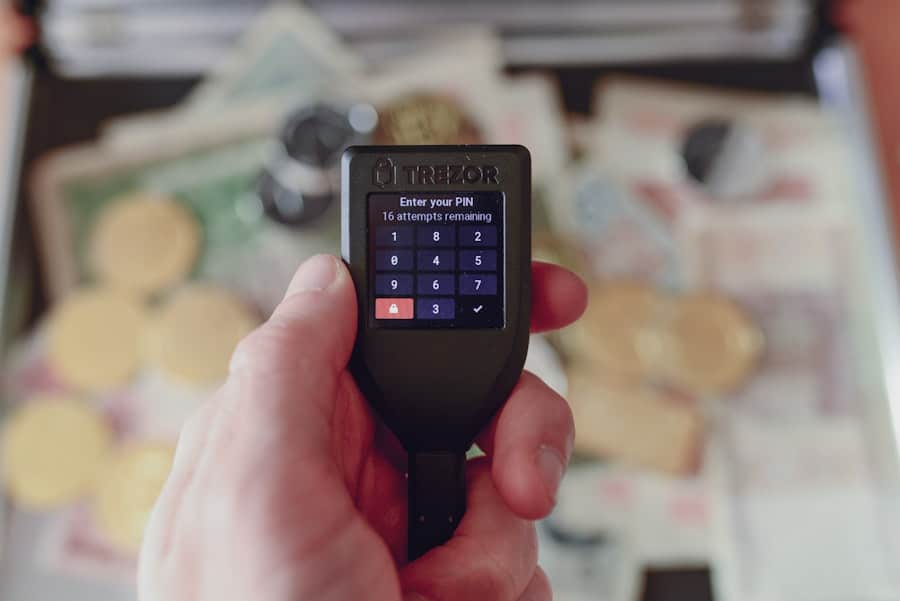
Once you have a foundational understanding of Bitcoin, the next step is to choose a secure wallet to store your investment. A Bitcoin wallet is a digital tool that allows you to send, receive, and manage your Bitcoin holdings. There are several types of wallets available, including hardware wallets, software wallets, and paper wallets.
Each type has its own advantages and disadvantages, so it’s important to assess your needs and preferences before making a decision. Hardware wallets are often considered the most secure option for storing Bitcoin. These physical devices store your private keys offline, making them less vulnerable to hacking attempts.
On the other hand, software wallets are more convenient for everyday transactions but may expose your keys to online threats. Regardless of the type of wallet you choose, ensure that it has robust security features such as two-factor authentication and encryption. By taking the time to select a secure wallet, you can protect your investment from potential risks.
Selecting a Reputable Bitcoin Exchange
With your wallet in place, the next step is to select a reputable Bitcoin exchange where you can buy and sell your cryptocurrency. The exchange you choose plays a significant role in your overall investment experience, as it affects transaction fees, security measures, and available trading pairs. Researching various exchanges is crucial to finding one that aligns with your investment goals and offers a user-friendly interface.
When evaluating exchanges, consider factors such as their regulatory compliance, customer support, and user reviews. A reputable exchange should have a solid track record of security and transparency. Additionally, look for exchanges that offer features like advanced trading tools and educational resources to help you make informed decisions.
By choosing a reliable exchange, you can facilitate smooth transactions and minimize potential risks associated with trading.
Researching and Analyzing Bitcoin Market Trends
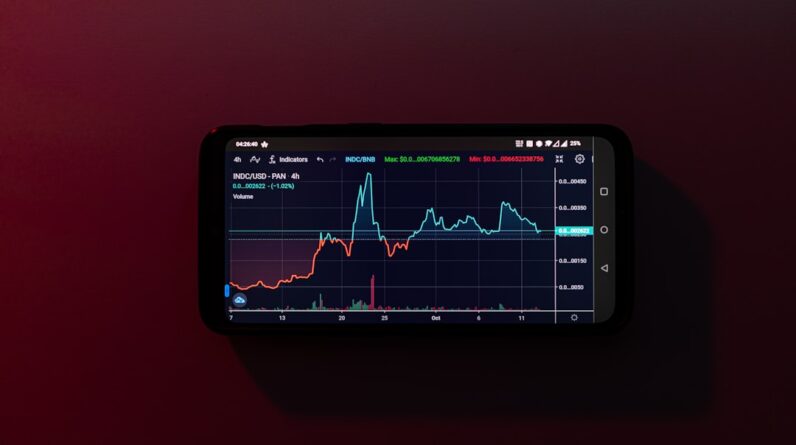
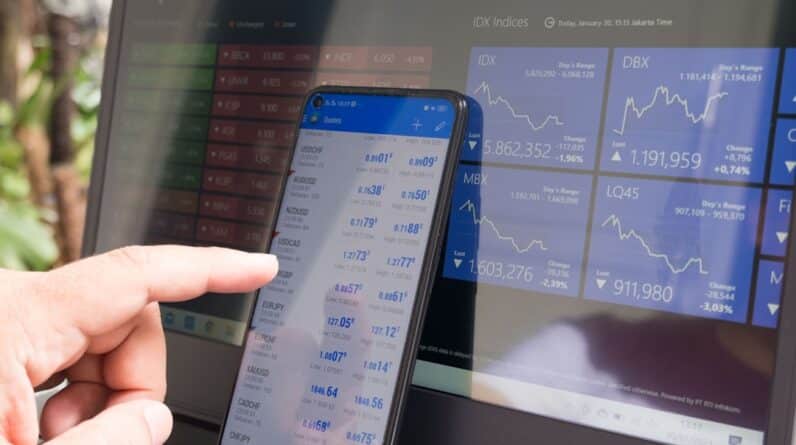
To make informed investment decisions, you must stay attuned to Bitcoin market trends. This involves researching historical price movements, analyzing market sentiment, and understanding the factors that drive demand for Bitcoin. Various tools and resources are available to help you track market trends, including price charts, news articles, and social media platforms where discussions about Bitcoin take place.
One effective way to analyze market trends is through technical analysis, which involves studying price patterns and indicators to predict future movements. Familiarizing yourself with concepts like support and resistance levels can enhance your ability to make strategic investment choices. Additionally, keeping an eye on macroeconomic factors such as inflation rates and geopolitical events can provide valuable context for understanding Bitcoin’s price fluctuations.
By dedicating time to research and analysis, you can position yourself to capitalize on market opportunities.
Creating a Diversified Bitcoin Investment Portfolio
As with any investment strategy, diversification is key to managing risk in your Bitcoin portfolio. While Bitcoin may be the most well-known cryptocurrency, there are thousands of alternative coins (altcoins) available in the market. By diversifying your investments across different cryptocurrencies and asset classes, you can mitigate potential losses while maximizing your chances for growth.
When creating a diversified portfolio, consider allocating a portion of your investment to established altcoins with strong use cases and development teams. Additionally, explore emerging projects that show promise but may carry higher risk. Balancing your portfolio with both high-risk and low-risk assets can help you achieve a more stable return over time.
Remember that diversification doesn’t eliminate risk entirely; however, it can provide a buffer against the inherent volatility of the cryptocurrency market.
Implementing Risk Management Strategies
Investing in Bitcoin comes with its share of risks, making it essential to implement effective risk management strategies. One fundamental approach is to determine your risk tolerance before making any investments. This involves assessing how much capital you are willing to invest and how much loss you can comfortably endure without compromising your financial stability.
Setting stop-loss orders is another effective risk management technique that can help protect your investments from significant downturns. A stop-loss order automatically sells your Bitcoin when it reaches a predetermined price point, limiting potential losses. Additionally, consider using dollar-cost averaging (DCA) as an investment strategy.
DCA involves investing a fixed amount of money at regular intervals regardless of market conditions, which can help reduce the impact of volatility on your overall investment.
Staying Informed About Regulatory Developments
The regulatory landscape surrounding cryptocurrencies is constantly evolving, making it crucial for you to stay informed about any developments that may impact your investments. Governments around the world are grappling with how to regulate digital currencies, which can lead to significant price fluctuations based on news announcements or policy changes. To stay updated on regulatory developments, follow reputable news sources that cover cryptocurrency topics extensively.
Joining online forums or communities dedicated to cryptocurrency discussions can also provide valuable insights into how regulations may affect the market. By being proactive in your research and understanding the regulatory environment, you can make more informed decisions about your Bitcoin investments.
Seeking Professional Advice and Guidance
Finally, consider seeking professional advice and guidance as you navigate the complexities of Bitcoin investment. Financial advisors who specialize in cryptocurrencies can provide personalized insights tailored to your financial goals and risk tolerance. They can help you develop a comprehensive investment strategy that aligns with your objectives while considering factors such as tax implications and long-term growth potential.
Additionally, attending workshops or seminars focused on cryptocurrency investing can enhance your knowledge and connect you with like-minded individuals who share similar interests. Engaging with professionals in the field can provide you with valuable perspectives that may not be readily available through self-study alone. By seeking guidance from experts, you can bolster your confidence in making informed investment decisions in the ever-evolving world of Bitcoin.
In conclusion, investing in Bitcoin requires a multifaceted approach that encompasses understanding the basics of cryptocurrency, choosing secure wallets and exchanges, analyzing market trends, diversifying portfolios, implementing risk management strategies, staying informed about regulations, and seeking professional advice when necessary. By taking these steps seriously and committing to continuous learning, you can position yourself for success in this dynamic investment landscape.
FAQs
What is Bitcoin?
Bitcoin is a digital currency that was created in 2009 by an unknown person using the name Satoshi Nakamoto. It is a decentralized form of currency, meaning it is not controlled by any government or financial institution.
How can I invest in Bitcoin?
There are several ways to invest in Bitcoin, including buying it through a cryptocurrency exchange, purchasing it through a Bitcoin ATM, or investing in Bitcoin-related stocks or funds.
What is a cryptocurrency exchange?
A cryptocurrency exchange is a platform that allows users to buy, sell, and trade cryptocurrencies, including Bitcoin. Some popular cryptocurrency exchanges include Coinbase, Binance, and Kraken.
What is a Bitcoin ATM?
A Bitcoin ATM is a physical kiosk that allows users to buy or sell Bitcoin using cash or a credit/debit card. These ATMs are typically located in public places such as convenience stores or shopping malls.
What are the risks of investing in Bitcoin?
Investing in Bitcoin carries several risks, including price volatility, security risks, and regulatory uncertainty. It is important for investors to thoroughly research and understand these risks before investing in Bitcoin.
Is Bitcoin a good investment?
The decision of whether Bitcoin is a good investment is subjective and depends on individual risk tolerance and investment goals. Some investors view Bitcoin as a potential hedge against inflation and a store of value, while others are skeptical of its long-term prospects.