As you embark on your journey into the world of cryptocurrency, it’s essential to grasp the fundamental concepts that underpin this digital revolution. At its core, cryptocurrency is a form of digital or virtual currency that uses cryptography for security. Unlike traditional currencies issued by governments, cryptocurrencies operate on decentralized networks based on blockchain technology.
This means that transactions are recorded on a public ledger, ensuring transparency and security while eliminating the need for intermediaries like banks. You may find it fascinating that the first cryptocurrency, Bitcoin, was created in 2009 by an anonymous person or group known as Satoshi Nakamoto. Since then, thousands of alternative cryptocurrencies, often referred to as altcoins, have emerged, each with unique features and purposes.
Understanding the differences between these currencies is crucial as you navigate this complex landscape. For instance, while Bitcoin is primarily seen as a store of value, Ethereum offers a platform for decentralized applications and smart contracts. Familiarizing yourself with these distinctions will empower you to make informed decisions as you explore investment opportunities.
Key Takeaways
- Cryptocurrency is a digital or virtual form of currency that uses cryptography for security and operates independently of a central bank.
- When choosing a cryptocurrency wallet, consider factors such as security features, user interface, and compatibility with different cryptocurrencies.
- Setting up a secure account on a cryptocurrency exchange involves using strong passwords, enabling two-factor authentication, and verifying your identity.
- When buying your first cryptocurrency, consider factors such as the reputation of the exchange, transaction fees, and the type of cryptocurrency you want to purchase.
- Understanding the risks and security measures of cryptocurrency involves being aware of potential hacking, scams, and the importance of keeping your private keys secure.
Choosing the Right Cryptocurrency Wallet
Once you have a grasp of what cryptocurrency is, the next step is selecting a suitable wallet to store your digital assets. A cryptocurrency wallet is a software program or hardware device that allows you to send, receive, and manage your cryptocurrencies securely. There are several types of wallets available, each with its advantages and disadvantages.
You can choose between hot wallets, which are connected to the internet and offer convenience for frequent transactions, and cold wallets, which are offline and provide enhanced security for long-term storage. When selecting a wallet, consider factors such as security features, user-friendliness, and compatibility with various cryptocurrencies. Hardware wallets like Ledger or Trezor are often recommended for their robust security measures, while software wallets like Exodus or Trust Wallet offer ease of use for beginners.
It’s crucial to do your research and read reviews to find a wallet that aligns with your needs and preferences. Remember, the safety of your investments largely depends on how well you secure your wallet.
Setting Up a Secure Account on a Cryptocurrency Exchange

With your wallet in place, you’re ready to set up an account on a cryptocurrency exchange where you can buy and sell digital currencies. Choosing a reputable exchange is vital for ensuring the safety of your funds and personal information. Look for exchanges that have a strong track record of security, user-friendly interfaces, and a wide selection of cryptocurrencies.
Popular exchanges like Coinbase, Binance, and Kraken are often recommended due to their reliability and extensive features. When creating your account, take the time to enable two-factor authentication (2FA) to add an extra layer of security. This process typically involves linking your account to your mobile device or email, requiring you to verify your identity before accessing your account.
Additionally, be cautious about sharing personal information and always use strong, unique passwords. By taking these precautions, you can significantly reduce the risk of unauthorized access to your account.
Buying Your First Cryptocurrency
Now that you have a secure account set up on an exchange, it’s time to make your first purchase. Start by funding your account through bank transfers or credit/debit card payments, depending on the options available on your chosen exchange. Once your account is funded, you can explore the various cryptocurrencies available for purchase.
It’s advisable to start with well-established coins like Bitcoin or Ethereum before venturing into lesser-known altcoins. When buying cryptocurrency, consider using limit orders instead of market orders to have more control over the price at which you buy. A limit order allows you to set a specific price at which you want to purchase a coin, ensuring that you don’t buy at an unfavorable rate during market fluctuations.
As you make your first purchase, take a moment to reflect on your investment strategy and goals. Are you looking for short-term gains or long-term growth? Understanding your objectives will help guide your future decisions in the crypto market.
Understanding the Risks and Security Measures
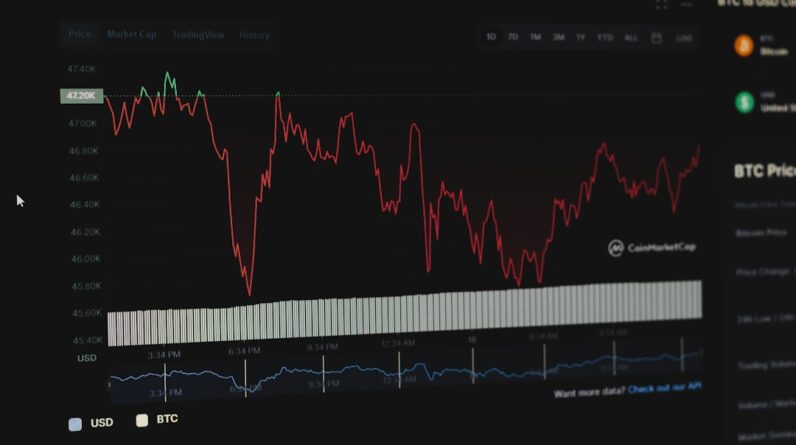
While the potential for profit in cryptocurrency is enticing, it’s crucial to acknowledge the inherent risks involved in this volatile market. Prices can fluctuate dramatically within short periods, leading to significant gains or losses. As you navigate this landscape, it’s essential to stay informed about market trends and developments that could impact your investments.
Diversifying your portfolio by investing in multiple cryptocurrencies can also help mitigate risks. In addition to market volatility, security threats such as hacking and phishing attacks pose significant risks to cryptocurrency investors. To protect yourself, always keep your software wallets updated and be wary of suspicious emails or links that could compromise your account.
Regularly backing up your wallet and using strong passwords can further enhance your security measures. By being proactive about these risks, you can safeguard your investments and enjoy a more secure trading experience.
Storing Your Cryptocurrency Safely
After purchasing cryptocurrency, the next step is ensuring its safe storage. While exchanges provide temporary storage solutions for your assets, they are not always the safest option due to potential hacking risks. Instead, consider transferring your cryptocurrencies to a secure wallet where you have full control over your private keys.
This practice significantly reduces the risk of losing your assets due to exchange vulnerabilities. For long-term storage, cold wallets are often recommended as they are not connected to the internet and thus less susceptible to cyber threats. Hardware wallets like Ledger Nano S or Trezor are excellent choices for securely storing large amounts of cryptocurrency over extended periods.
If you opt for a software wallet for convenience, ensure that it has robust security features such as encryption and backup options. By taking these precautions, you can rest assured that your investments are well-protected.
Keeping Up with Market Trends and News
Staying informed about market trends and news is vital for making informed decisions in the fast-paced world of cryptocurrency. The landscape is constantly evolving, with new technologies, regulations, and market dynamics emerging regularly. To keep up with these changes, consider following reputable news sources dedicated to cryptocurrency coverage such as CoinDesk or CoinTelegraph.
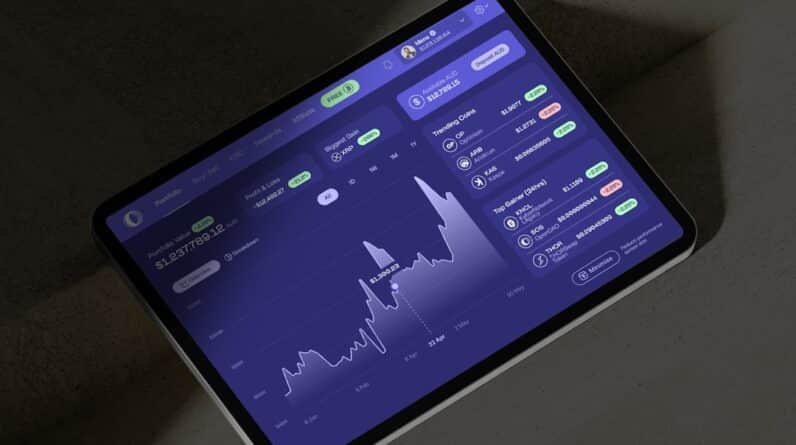
Engaging with online communities on platforms like Reddit or Twitter can also provide valuable insights from fellow investors. Additionally, utilizing tools like price tracking apps or portfolio management software can help you monitor your investments effectively. These tools allow you to set alerts for price changes and track market performance in real-time.
By staying engaged with the latest developments in the crypto space, you can better position yourself to capitalize on opportunities while minimizing potential risks.
Exploring Advanced Trading Strategies
As you gain confidence in your cryptocurrency journey, you may want to explore advanced trading strategies that can enhance your investment approach. Techniques such as day trading or swing trading involve actively buying and selling cryptocurrencies based on short-term price movements. These strategies require a solid understanding of technical analysis and market indicators but can yield significant profits if executed correctly.
Another advanced strategy is dollar-cost averaging (DCA), where you invest a fixed amount of money into a particular cryptocurrency at regular intervals regardless of its price fluctuations. This approach helps mitigate the impact of volatility by spreading out your investment over time. Additionally, consider exploring options trading or futures contracts if you’re looking for more sophisticated ways to leverage your investments.
In conclusion, navigating the world of cryptocurrency requires a solid understanding of its fundamentals, careful planning regarding wallets and exchanges, and ongoing education about market trends and strategies. By following these guidelines and remaining vigilant about security measures, you can embark on a rewarding journey into the realm of digital currencies while minimizing risks along the way.
FAQs
What is cryptocurrency?
Cryptocurrency is a digital or virtual form of currency that uses cryptography for security and operates independently of a central bank. It is decentralized and typically uses a technology called blockchain to achieve transparency and immutability.
How do I get started with cryptocurrency?
To get started with cryptocurrency, you can follow these steps:
1. Research and educate yourself about different cryptocurrencies and how they work.
2. Choose a reputable cryptocurrency exchange to create an account and buy your first cryptocurrency.
3. Set up a secure digital wallet to store your cryptocurrency.
4. Consider joining online communities or forums to stay updated and learn from others in the crypto space.
What are the risks associated with cryptocurrency?
Some of the risks associated with cryptocurrency include price volatility, security threats such as hacking and scams, regulatory uncertainty, and the potential for market manipulation.
What are the benefits of using cryptocurrency?
Some of the benefits of using cryptocurrency include lower transaction fees compared to traditional financial systems, faster cross-border transactions, increased financial privacy, and the potential for investment and trading opportunities.
Is cryptocurrency legal?
The legal status of cryptocurrency varies by country. While some countries have embraced and regulated cryptocurrency, others have imposed restrictions or outright bans. It’s important to research and understand the legal status of cryptocurrency in your jurisdiction.