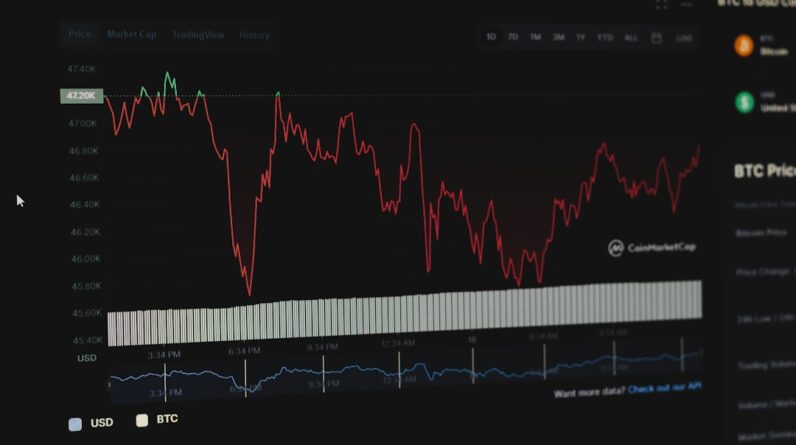
To embark on your journey into the world of cryptocurrency, it’s essential to grasp the fundamental concepts that underpin this digital revolution. At its core, cryptocurrency is a form of digital or virtual currency that employs cryptography for security. Unlike traditional currencies issued by governments, cryptocurrencies operate on decentralized networks based on blockchain technology.
This decentralized nature means that no single entity, such as a bank or government, has control over the currency, which can lead to increased transparency and reduced transaction costs. As you delve deeper into the realm of cryptocurrency, you’ll encounter various types, each with unique features and purposes. Bitcoin, the first and most well-known cryptocurrency, was created in 2009 as a response to the financial crisis, aiming to provide an alternative to traditional banking systems.
Since then, thousands of other cryptocurrencies have emerged, each with its own use cases, from Ethereum’s smart contracts to Ripple’s focus on facilitating cross-border payments. Understanding these differences is crucial as you navigate your investment options and determine which cryptocurrencies align with your financial goals.
Key Takeaways
- Cryptocurrency is a digital or virtual form of currency that uses cryptography for security and operates independently of a central bank.
- When choosing the right cryptocurrency to invest in, consider factors such as the technology behind it, the team involved, and its potential for real-world application.
- Evaluating the potential of a cryptocurrency involves researching its market demand, adoption rate, and long-term viability.
- Managing risks in cryptocurrency investment requires diversification, setting stop-loss orders, and staying updated on market trends.
- Creating a diversified crypto portfolio involves investing in a mix of established and emerging cryptocurrencies to spread risk and maximize potential returns.
Choosing the Right Cryptocurrency to Invest In
When it comes to selecting the right cryptocurrency for your investment portfolio, you must consider several factors that can influence your decision. First and foremost, research is key. You should familiarize yourself with the top cryptocurrencies in the market, examining their market capitalization, historical performance, and the technology behind them.
Look for projects that have a solid foundation, a clear use case, and a dedicated development team. This groundwork will help you identify cryptocurrencies that are not only popular but also have the potential for long-term growth. Another critical aspect to consider is the community surrounding a cryptocurrency.
A strong and active community can be a good indicator of a project’s viability. Engaging with forums, social media groups, and attending cryptocurrency meetups can provide valuable insights into the sentiment surrounding a particular coin. Additionally, pay attention to news and updates related to regulatory changes or technological advancements that could impact the cryptocurrency market.
By staying informed and connected, you can make more educated decisions about which cryptocurrencies to invest in.
Evaluating the Potential of a Cryptocurrency

Once you’ve narrowed down your options, it’s time to evaluate the potential of each cryptocurrency you’re considering. One effective method is to analyze its whitepaper—a document that outlines the project’s goals, technology, and roadmap. A well-written whitepaper should clearly articulate the problem the cryptocurrency aims to solve and how it plans to achieve its objectives.
Look for projects that demonstrate innovation and practicality in their approach. In addition to examining the whitepaper, consider the market trends and competition within the sector. Assess how the cryptocurrency stands against its competitors and whether it offers unique features that set it apart.
You should also analyze its historical price movements and trading volume to gauge market sentiment. While past performance is not always indicative of future results, understanding how a cryptocurrency has reacted to market fluctuations can provide valuable insights into its resilience and potential for growth.
Managing Risks in Cryptocurrency Investment
Investing in cryptocurrency can be exhilarating but also fraught with risks. As you navigate this volatile landscape, it’s crucial to develop a risk management strategy that aligns with your investment goals and risk tolerance. One effective approach is to only invest what you can afford to lose.
Given the unpredictable nature of cryptocurrencies, it’s wise to treat your investments as speculative rather than guaranteed returns. Diversification is another key strategy for managing risk in your cryptocurrency investments. By spreading your investments across multiple cryptocurrencies rather than concentrating on one or two, you can mitigate potential losses if one asset underperforms.
Additionally, consider setting stop-loss orders to automatically sell your assets if they fall below a certain price point. This can help protect your investment from significant downturns while allowing you to capitalize on potential gains.
Creating a Diversified Crypto Portfolio
Building a diversified crypto portfolio is essential for balancing risk and maximizing potential returns. Start by allocating your investments across different types of cryptocurrencies—such as established coins like Bitcoin and Ethereum, mid-cap altcoins with growth potential, and smaller projects that may offer higher risk but also higher rewards. This mix can help cushion your portfolio against market volatility while providing opportunities for growth.
As you construct your portfolio, consider incorporating various sectors within the cryptocurrency space. For instance, you might invest in cryptocurrencies focused on decentralized finance (DeFi), non-fungible tokens (NFTs), or blockchain infrastructure projects. Each sector has its own dynamics and growth potential, allowing you to capitalize on trends as they emerge.
Regularly review and rebalance your portfolio based on market conditions and your evolving investment strategy to ensure it remains aligned with your financial goals.
Staying Informed about Cryptocurrency Market Trends

In the fast-paced world of cryptocurrency, staying informed about market trends is vital for making sound investment decisions. Follow reputable news sources, blogs, and social media channels dedicated to cryptocurrency updates. Engaging with thought leaders in the space can provide valuable insights into emerging trends and potential investment opportunities.
Additionally, consider utilizing analytical tools and platforms that offer real-time data on price movements, trading volumes, and market sentiment. These resources can help you identify patterns and make informed decisions based on current market conditions. Participating in online forums or discussion groups can also enhance your understanding of market dynamics while allowing you to share insights with fellow investors.
Setting Realistic Investment Goals
Establishing clear and realistic investment goals is crucial for guiding your cryptocurrency journey. Start by defining what you hope to achieve through your investments—whether it’s short-term gains or long-term wealth accumulation. Setting specific targets will help you stay focused and motivated while navigating the often tumultuous crypto landscape.
As you set your goals, consider factors such as your risk tolerance, investment horizon, and financial situation. It’s essential to be realistic about what you can achieve within a given timeframe. While some investors may dream of becoming millionaires overnight, it’s important to recognize that building wealth through cryptocurrency often requires patience and strategic planning.
Regularly reassess your goals as market conditions change and adjust your strategies accordingly.
Securing and Storing Cryptocurrency Investments
As you invest in cryptocurrency, securing your assets should be a top priority. Unlike traditional bank accounts insured by government agencies, cryptocurrencies are vulnerable to theft and hacking if not properly safeguarded. Start by choosing a reputable exchange for buying and selling cryptocurrencies; ensure it has robust security measures in place.
Once you’ve acquired your cryptocurrencies, consider transferring them to a secure wallet rather than leaving them on an exchange. Hardware wallets are often regarded as one of the safest options for storing digital assets since they keep your private keys offline and away from potential cyber threats. Additionally, always enable two-factor authentication (2FA) on your accounts for an added layer of security.
In conclusion, navigating the world of cryptocurrency requires a blend of knowledge, strategy, and vigilance. By understanding the fundamentals of cryptocurrency, choosing wisely where to invest, managing risks effectively, creating a diversified portfolio, staying informed about market trends, setting realistic goals, and securing your assets diligently, you can position yourself for success in this dynamic financial landscape. As you embark on this exciting journey, remember that continuous learning and adaptation are key components of thriving in the ever-evolving world of cryptocurrency investment.
FAQs
What is cryptocurrency?
Cryptocurrency is a digital or virtual form of currency that uses cryptography for security and operates independently of a central bank.
What is crypto investment?
Crypto investment refers to the act of purchasing and holding cryptocurrencies with the expectation of generating a profit over time.
Is crypto investment risky?
Yes, crypto investment is considered to be risky due to the volatile nature of the cryptocurrency market and the potential for significant price fluctuations.
How can I start investing in cryptocurrency?
To start investing in cryptocurrency, you will need to open an account with a cryptocurrency exchange, deposit funds, and then purchase the cryptocurrency of your choice.
What are some popular cryptocurrencies for investment?
Some popular cryptocurrencies for investment include Bitcoin, Ethereum, Ripple, Litecoin, and many others.
What are some tips for successful crypto investment?
Some tips for successful crypto investment include conducting thorough research, diversifying your investment portfolio, staying updated on market trends, and being prepared for potential losses.
Are there any regulations for crypto investment?
Regulations for crypto investment vary by country, and it’s important to be aware of the legal and tax implications of investing in cryptocurrency in your jurisdiction.
What are the potential benefits of crypto investment?
Potential benefits of crypto investment include the opportunity for high returns, portfolio diversification, and the ability to participate in a rapidly evolving and innovative market.