
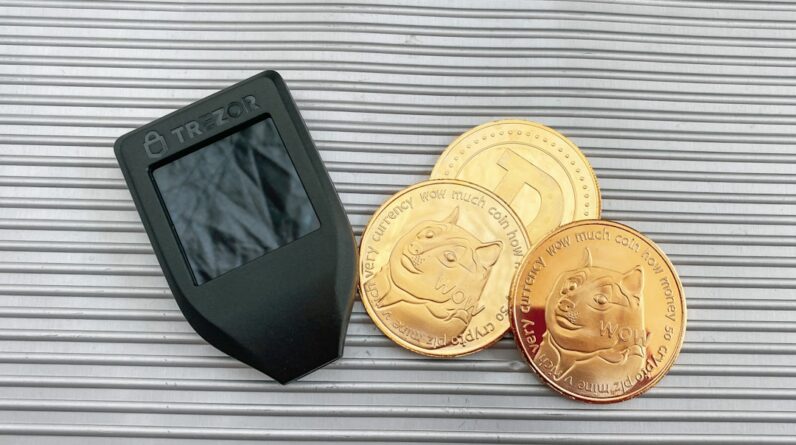
As you embark on your journey into the world of cryptocurrency, understanding Bitcoin wallets is essential. A Bitcoin wallet serves as a digital repository for your Bitcoin, allowing you to send, receive, and store your cryptocurrency securely. Unlike traditional wallets that hold physical cash, Bitcoin wallets are software applications or hardware devices that manage your Bitcoin balance and facilitate transactions on the blockchain.
With the increasing popularity of Bitcoin and other cryptocurrencies, knowing how to navigate the various types of wallets and their functionalities is crucial for anyone looking to invest or transact in this digital currency. The concept of a wallet in the cryptocurrency realm may seem abstract at first. However, it is vital to grasp that a Bitcoin wallet does not store your Bitcoin in the conventional sense.
Instead, it holds the cryptographic keys that grant you access to your Bitcoin on the blockchain. These keys are essential for signing transactions and proving ownership of your digital assets. As you delve deeper into the intricacies of Bitcoin wallets, you will discover that they come in various forms, each with its unique features and security measures.
Key Takeaways
- Bitcoin wallets are digital tools that allow users to store, send, and receive bitcoins.
- There are three main types of bitcoin wallets: hardware, software, and paper, each with its own advantages and disadvantages.
- Bitcoin wallets function by generating and storing private keys, which are used to sign transactions and prove ownership of bitcoins.
- Security measures for bitcoin wallets include using strong passwords, enabling two-factor authentication, and keeping software up to date.
- When choosing a bitcoin wallet, consider factors such as security, convenience, and the level of control you want over your funds.
Types of Bitcoin Wallets: Hardware, Software, and Paper
When it comes to Bitcoin wallets, you have several options to choose from, each catering to different needs and preferences. The three primary types of wallets are hardware wallets, software wallets, and paper wallets. Hardware wallets are physical devices designed specifically for storing cryptocurrencies securely.
They are often considered the most secure option because they keep your private keys offline, making them less vulnerable to hacking attempts. If you prioritize security and plan to hold a significant amount of Bitcoin, investing in a hardware wallet may be the best choice for you. On the other hand, software wallets are applications that can be installed on your computer or mobile device.
They come in various forms, including desktop wallets, mobile wallets, and web wallets. While software wallets offer convenience and ease of use, they are more susceptible to malware and phishing attacks compared to hardware wallets. If you frequently transact with Bitcoin or prefer quick access to your funds, a software wallet might suit your needs better.
However, it’s essential to choose a reputable software wallet with robust security features. Paper wallets represent another option for storing Bitcoin. A paper wallet is essentially a physical printout of your public and private keys.
This method allows you to store your Bitcoin offline entirely, making it immune to online threats. However, creating and managing a paper wallet requires careful handling to avoid loss or damage. If you decide to go this route, ensure that you generate your paper wallet using a secure method and store it in a safe place.
How Bitcoin Wallets Function
Understanding how Bitcoin wallets function is crucial for effectively managing your cryptocurrency. At their core, Bitcoin wallets interact with the blockchain to facilitate transactions. When you send or receive Bitcoin, your wallet generates a unique cryptographic signature using your private key.
This signature proves ownership of the funds and authorizes the transaction on the blockchain. The public key associated with your wallet acts as your address, allowing others to send Bitcoin to you. When you initiate a transaction, your wallet broadcasts it to the network of nodes that maintain the blockchain.
These nodes verify the transaction’s validity by checking if you have sufficient funds and whether the signature matches your public key. Once confirmed, the transaction is added to a block and subsequently recorded on the blockchain, ensuring transparency and security. This decentralized nature of Bitcoin transactions is one of the key features that sets it apart from traditional banking systems.
Moreover, Bitcoin wallets also allow you to monitor your balance and transaction history. Most wallets provide an intuitive interface that displays your current holdings and recent transactions. This feature enables you to keep track of your investments and make informed decisions about buying or selling Bitcoin.
As you become more familiar with how wallets function, you’ll find that they offer various tools and features designed to enhance your overall experience in managing cryptocurrency.
Security Measures for Bitcoin Wallets
Security is paramount when it comes to managing your Bitcoin wallet. Given the digital nature of cryptocurrencies, they are susceptible to various threats such as hacking, phishing attacks, and malware. To safeguard your assets, it’s essential to implement robust security measures.
One of the most effective ways to enhance security is by enabling two-factor authentication (2FA) on your wallet if available. This adds an extra layer of protection by requiring a second form of verification, such as a code sent to your mobile device. Additionally, regularly updating your wallet software is crucial for maintaining security.
Developers frequently release updates that address vulnerabilities and improve overall functionality. By keeping your wallet up-to-date, you reduce the risk of falling victim to known exploits. Furthermore, consider using strong passwords that combine letters, numbers, and special characters to protect your wallet from unauthorized access.
Another critical aspect of securing your Bitcoin wallet is being cautious about where you access it. Avoid using public Wi-Fi networks when managing your cryptocurrency, as these can be breeding grounds for hackers looking to intercept sensitive information. Instead, opt for secure connections and consider using a virtual private network (VPN) for added privacy.
By taking these precautions, you can significantly reduce the likelihood of compromising your Bitcoin wallet.
Choosing the Right Bitcoin Wallet for Your Needs
Selecting the right Bitcoin wallet is a personal decision that depends on your specific needs and preferences. Consider factors such as how often you plan to transact with Bitcoin, the amount of cryptocurrency you intend to hold, and your level of technical expertise. If you’re a casual user who occasionally buys or sells small amounts of Bitcoin, a user-friendly software wallet may be sufficient for your needs.
Conversely, if you’re a serious investor planning to hold a substantial amount of Bitcoin long-term, a hardware wallet might be more appropriate due to its enhanced security features. Hardware wallets provide peace of mind by keeping your private keys offline and away from potential online threats. Additionally, if you’re concerned about losing access to your funds due to device failure or theft, consider using a multi-signature wallet that requires multiple keys for transactions.
Ultimately, it’s essential to do thorough research before choosing a wallet. Read reviews from other users and consider factors such as customer support and ease of use. By taking the time to evaluate your options carefully, you’ll be better equipped to select a Bitcoin wallet that aligns with your goals and provides the security you need.
Setting Up a Bitcoin Wallet: Step-by-Step Guide
Setting up a Bitcoin wallet may seem daunting at first, but with a clear step-by-step guide, you’ll find it manageable. First, decide which type of wallet suits your needs best—hardware, software, or paper—and then proceed accordingly. If you’ve chosen a software wallet, start by downloading the application from a reputable source or app store.
Ensure that you’re downloading the official version to avoid potential scams. Once you’ve installed the software wallet or set up your hardware device, you’ll need to create an account or initialize the device. This process typically involves generating a new wallet address and creating a secure password or PIN for access.
Make sure to write down any recovery phrases or backup keys provided during this process; these are crucial for restoring access if you ever lose your device or forget your password. After setting up your wallet, take some time to familiarize yourself with its interface and features. Explore options for sending and receiving Bitcoin and check how to view your transaction history and balance.
If you’re using a hardware wallet, follow any additional instructions provided by the manufacturer for optimal setup and security practices.
Managing Multiple Bitcoin Wallets
As you delve deeper into cryptocurrency investing or trading, you may find yourself managing multiple Bitcoin wallets simultaneously. This approach can help diversify your holdings and enhance security by spreading assets across different platforms or types of wallets. However, managing multiple wallets requires organization and diligence.
To effectively manage multiple wallets, consider creating a spreadsheet or using dedicated portfolio management software to track each wallet’s balance and transaction history. This will help you maintain an overview of your investments without getting overwhelmed by numerous accounts. Additionally, ensure that each wallet has its unique security measures in place—this could include different passwords or 2FA settings—to minimize risk.
It’s also essential to keep track of which wallets hold specific amounts of Bitcoin or other cryptocurrencies. By categorizing them based on purpose—such as long-term storage versus active trading—you can make informed decisions about when to buy or sell based on market conditions.
Backing Up and Restoring Bitcoin Wallets
Backing up your Bitcoin wallet is one of the most critical steps in ensuring the safety of your assets. A backup allows you to restore access to your funds in case of device failure or loss. Most software wallets provide an option for creating backups; this typically involves exporting a recovery phrase or seed phrase that contains all necessary information for restoring access.
When creating a backup, store it in multiple secure locations—both physically and digitally—to mitigate risks associated with loss or damage. For instance, consider writing down your recovery phrase on paper and storing it in a safe place while also keeping a digital copy encrypted on a secure cloud service. If you ever need to restore access to your wallet using the backup phrase or seed phrase, follow the instructions provided by your wallet provider carefully.
This process usually involves entering the recovery phrase into the wallet application during setup. By regularly backing up your wallet and ensuring its safety, you’ll have peace of mind knowing that you can recover access if needed.
Transferring and Receiving Bitcoin with Your Wallet
Transferring and receiving Bitcoin is one of the primary functions of any Bitcoin wallet. To receive funds from another user, you’ll need to share your public address with them—this address acts as an account number where they can send Bitcoin directly into your wallet. Most wallets provide an easy way to copy this address or generate QR codes for quick sharing.
When sending Bitcoin from your wallet, you’ll need the recipient’s public address as well as an amount you’d like to send. After entering this information into the appropriate fields within your wallet application, review all details carefully before confirming the transaction—once submitted, transactions cannot be reversed on the blockchain. Keep in mind that transaction fees may apply when sending Bitcoin; these fees vary based on network congestion at any given time.
Some wallets allow you to adjust these fees based on how quickly you’d like the transaction processed—higher fees typically result in faster confirmations while lower fees may take longer during busy periods.
Keeping Your Bitcoin Wallet Secure: Best Practices
Maintaining security for your Bitcoin wallet is an ongoing responsibility that requires vigilance and adherence to best practices. One fundamental rule is never sharing your private keys with anyone; these keys grant full access to your funds and should remain confidential at all times. Additionally, consider using hardware wallets for long-term storage of significant amounts of cryptocurrency; these devices keep private keys offline and away from potential online threats like malware or phishing attacks.
For software wallets used frequently for transactions, enable two-factor authentication (2FA) whenever possible as an added layer of protection against unauthorized access. Regularly monitoring account activity can also help identify any suspicious transactions early on; if something seems amiss—such as unexpected withdrawals—take immediate action by changing passwords or contacting customer support if applicable.
The Future of Bitcoin Wallets: Trends and Developments
As technology continues evolving rapidly within the cryptocurrency space, so too do innovations surrounding Bitcoin wallets themselves. One notable trend is increased integration with decentralized finance (DeFi) platforms; many new wallets now offer seamless access not only for storing cryptocurrencies but also engaging in lending protocols or yield farming opportunities directly from within their interfaces. Moreover, advancements in user experience design are making it easier than ever for newcomers entering this space; intuitive interfaces combined with educational resources help demystify complex concepts surrounding cryptocurrencies while empowering users at all levels—from beginners just starting out through seasoned investors looking for advanced features.
In conclusion, understanding how different types of bitcoin wallets function alongside implementing robust security measures will empower you as an informed participant within this exciting digital economy landscape—ensuring both safety while maximizing potential returns on investments made over time!
FAQs
What is a Bitcoin wallet?
A Bitcoin wallet is a digital tool that allows users to store, send, and receive Bitcoin. It also provides a way to manage the private keys needed to access and spend the Bitcoin stored in the wallet.
What are the different types of Bitcoin wallets?
There are several types of Bitcoin wallets, including hardware wallets, software wallets (desktop, mobile, and web), and paper wallets. Each type has its own unique features and security considerations.
How do Bitcoin wallets function?
Bitcoin wallets function by generating and storing private keys, which are used to sign transactions and prove ownership of the Bitcoin stored in the wallet. They also provide a user interface for sending and receiving Bitcoin.
What are the security considerations for Bitcoin wallets?
Security is a critical consideration for Bitcoin wallets, as they store valuable assets. Users should choose wallets from reputable providers, enable two-factor authentication, and keep their private keys secure. Hardware wallets are generally considered the most secure option.
What are the best practices for using Bitcoin wallets?
Best practices for using Bitcoin wallets include regularly backing up the wallet, using strong passwords, keeping software up to date, and being cautious of phishing attempts and malware. It’s also important to research and understand the specific features and security measures of the chosen wallet.


