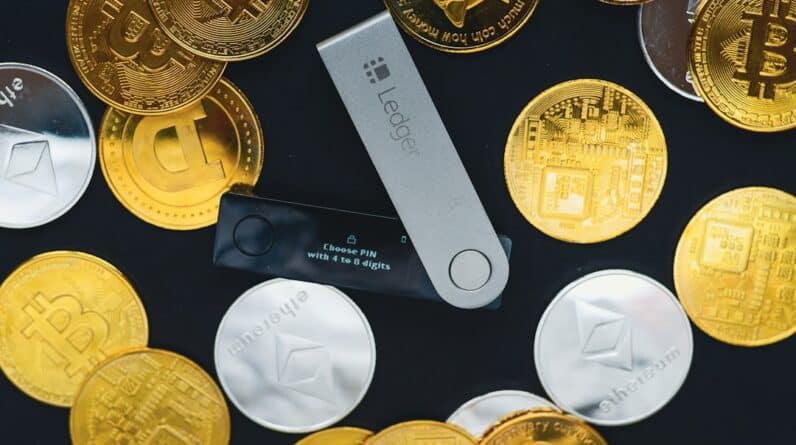
As you delve into the world of cryptocurrency, you may come across the term “staking.” At its core, staking refers to the process of participating in the network of a blockchain by holding and locking up a certain amount of cryptocurrency in a wallet. This action not only helps secure the network but also allows you to earn rewards in the form of additional coins or tokens. Unlike traditional investments, where you might simply buy and hold assets, staking requires a more active role in maintaining the integrity and functionality of the blockchain.
Staking is primarily associated with proof-of-stake (PoS) and its variants, which are consensus mechanisms used by various cryptocurrencies. In contrast to proof-of-work (PoW), where miners solve complex mathematical problems to validate transactions, PoS relies on validators who are chosen based on the number of coins they hold and are willing to “stake.” This method is often seen as more energy-efficient and environmentally friendly, making it an appealing option for those who are conscious of their carbon footprint.
Key Takeaways
- Cryptocurrency staking involves holding and locking up a certain amount of coins to support the operations of a blockchain network and earn rewards in return.
- Staking works by participants locking up a certain amount of cryptocurrency in a digital wallet to support the network’s operations and validate transactions, in exchange for earning staking rewards.
- The benefits of cryptocurrency staking include earning passive income, participating in network governance, and contributing to the security and decentralization of the blockchain network.
- Risks and challenges of cryptocurrency staking include the potential for loss of staked funds due to network attacks or technical issues, as well as the need for continuous online connectivity and potential market volatility.
- Popular cryptocurrencies for staking include Ethereum, Cardano, Polkadot, and Tezos, each offering different staking mechanisms and rewards for participants.
- To start staking cryptocurrency, individuals need to choose a suitable staking platform or wallet, acquire the required amount of cryptocurrency, and follow the specific staking instructions provided by the network.
- Staking differs from mining in that staking involves validating transactions and creating new blocks through the process of holding and staking coins, while mining involves solving complex mathematical puzzles to validate transactions and create new blocks.
- The future of cryptocurrency staking looks promising, with the potential for increased adoption and integration into various blockchain networks, as well as the development of new staking mechanisms and rewards for participants.
How Cryptocurrency Staking Works
When you stake your cryptocurrency, you essentially lock it up in a wallet to support the operations of a blockchain network. This process involves selecting a staking platform or a specific cryptocurrency that supports staking. Once you have chosen your asset, you will need to transfer your coins to a staking wallet, which can be either a software wallet or a hardware wallet designed for staking purposes.
After your coins are staked, they become part of the network’s pool, contributing to transaction validation and security. The mechanics of how rewards are distributed can vary from one cryptocurrency to another. Generally, the more coins you stake, the higher your chances of being selected as a validator for new blocks.
When you successfully validate a block, you earn rewards, which are typically distributed in the form of additional coins. These rewards can be reinvested into your staking pool, allowing for compound growth over time. It’s important to note that some networks have minimum staking requirements, so you’ll need to ensure that you meet these thresholds before participating.
Benefits of Cryptocurrency Staking

One of the most significant advantages of staking is the potential for passive income. By simply holding and staking your cryptocurrency, you can earn rewards without having to actively trade or manage your assets. This can be particularly appealing for long-term investors who prefer a hands-off approach.
The rewards can vary based on the network’s rules and your staking amount, but many users find that staking can yield higher returns compared to traditional savings accounts or other investment vehicles. In addition to earning rewards, staking also contributes to the overall health and security of the blockchain network. By participating in staking, you help maintain the integrity of transactions and support decentralization.
This is crucial for the longevity and stability of cryptocurrencies, as it reduces the risk of centralization that can occur with mining operations. Furthermore, staking can foster a sense of community among participants, as many networks encourage collaboration and communication among stakers.
Risks and Challenges of Cryptocurrency Staking
While staking offers numerous benefits, it is not without its risks and challenges. One primary concern is market volatility. The value of the cryptocurrency you stake can fluctuate significantly, which may impact your overall returns.
If the price drops substantially while your coins are locked up in staking, you could face losses that outweigh the rewards earned during that period. Therefore, it’s essential to conduct thorough research and consider market trends before committing your assets. Another challenge is the technical aspect of staking.
Depending on the cryptocurrency and platform you choose, there may be complexities involved in setting up your staking wallet or understanding the specific requirements for participation. Additionally, some networks impose penalties for early withdrawal or misbehavior, which could result in losing a portion of your staked coins. As such, it’s crucial to familiarize yourself with the rules and regulations governing the staking process for your chosen cryptocurrency.
Popular Cryptocurrencies for Staking
As you explore options for staking, you’ll find several popular cryptocurrencies that offer attractive staking opportunities. Ethereum 2.0 is one such example; it has transitioned from a proof-of-work model to proof-of-stake, allowing users to stake their ETH and earn rewards while contributing to network security. Cardano is another well-known option, offering a user-friendly interface for staking through its Daedalus and Yoroi wallets.
Tezos is also gaining traction in the staking community due to its unique governance model that allows stakers to participate in decision-making processes regarding protocol upgrades. Additionally, Polkadot offers an innovative approach with its parachain architecture, enabling users to stake DOT tokens while supporting multiple blockchains within its ecosystem. Each of these cryptocurrencies has its own set of features and benefits, making it essential for you to evaluate which aligns best with your investment strategy.
How to Start Staking Cryptocurrency

If you’re ready to embark on your staking journey, the first step is to choose a cryptocurrency that supports staking. Once you’ve made your selection, you’ll need to acquire the necessary coins through an exchange or by purchasing them directly from other users. After obtaining your cryptocurrency, you’ll want to set up a secure wallet that supports staking; this could be a software wallet or a hardware wallet designed specifically for this purpose.
Once your wallet is set up and funded with your chosen cryptocurrency, you’ll need to follow the specific instructions provided by the network for staking. This may involve delegating your coins to a validator or joining a staking pool if you’re not interested in running your own validator node. Make sure to keep track of any minimum requirements or fees associated with staking on your chosen platform.
Finally, monitor your staked assets regularly to stay informed about any changes in rewards or network conditions.
When comparing staking and mining, it’s essential to understand their fundamental differences in terms of operation and resource requirements. Mining typically involves solving complex mathematical problems using powerful hardware, consuming significant amounts of electricity in the process. This method is prevalent in proof-of-work systems like Bitcoin, where miners compete against each other to validate transactions and earn rewards.
In contrast, staking requires far less computational power and energy consumption since it relies on validators who are chosen based on their stake in the network rather than their ability to solve puzzles. This makes staking more accessible for everyday users who may not have access to expensive mining equipment. Additionally, while mining can lead to greater rewards during periods of high competition, it also comes with higher operational costs and risks associated with market volatility.
The Future of Cryptocurrency Staking
As you look ahead at the future of cryptocurrency staking, it’s clear that this practice is poised for growth as more blockchain networks adopt proof-of-stake mechanisms. With increasing awareness about environmental sustainability and energy efficiency in cryptocurrency operations, many projects are likely to explore or transition towards staking models that reduce their carbon footprint. Moreover, as decentralized finance (DeFi) continues to gain traction, staking will likely play an integral role in various DeFi applications and platforms.
This could lead to innovative financial products that leverage staked assets for lending, borrowing, or yield farming opportunities. As more users recognize the potential benefits of staking—both as an investment strategy and as a means of supporting blockchain networks—the landscape will continue to evolve, offering new possibilities for participants in this dynamic space. In conclusion, cryptocurrency staking presents an exciting opportunity for those looking to earn passive income while contributing to the security and functionality of blockchain networks.
By understanding how it works, weighing its benefits against potential risks, and exploring popular options available today, you can make informed decisions about whether staking aligns with your financial goals and investment strategy. As this sector continues to develop and mature, staying informed will be key to navigating the ever-changing world of cryptocurrency.
FAQs
What is cryptocurrency staking?
Cryptocurrency staking is the process of actively participating in transaction validation on a proof-of-stake (PoS) blockchain. It involves holding funds in a cryptocurrency wallet to support the operations of a blockchain network and, in return, earning rewards.
How does cryptocurrency staking work?
In cryptocurrency staking, users lock up a certain amount of their coins as collateral to validate transactions and create new blocks on the blockchain. This process helps secure the network and maintain its operations. In return for their participation, stakers receive rewards in the form of additional cryptocurrency.
What are the benefits of cryptocurrency staking?
The benefits of cryptocurrency staking include the potential to earn passive income through staking rewards, contributing to the security and decentralization of the blockchain network, and having a say in the governance and decision-making processes of the network.
What are the risks of cryptocurrency staking?
Some of the risks associated with cryptocurrency staking include the potential for loss of staked funds if the network is compromised, the volatility of staking rewards, and the need to carefully select reliable staking providers or pools to minimize risks.
How can one start cryptocurrency staking?
To start cryptocurrency staking, one needs to choose a cryptocurrency that utilizes a proof-of-stake consensus mechanism, acquire the required amount of the cryptocurrency, set up a staking wallet, and then follow the specific staking instructions provided by the cryptocurrency’s network. Additionally, users can also opt to delegate their stake to a staking pool or service provider.