In today’s financial landscape, banking fees have become a common source of frustration for consumers. From monthly maintenance fees to transaction charges, these costs can accumulate quickly, leaving you feeling as though your hard-earned money is being siphoned away. As you navigate through various banking services, it’s not uncommon to encounter a myriad of fees that seem to pop up at every turn.
This reality has led many to seek alternatives that promise lower costs and greater transparency. Enter cryptocurrency—a digital asset that has gained significant traction in recent years and presents a compelling alternative to traditional banking. Cryptocurrency operates on decentralized networks, allowing for peer-to-peer transactions without the need for intermediaries like banks.
This innovative technology not only offers a new way to conduct financial transactions but also challenges the very foundation of traditional banking systems. As you explore the world of crypto, you may find that it holds the potential to disrupt the status quo, particularly when it comes to the fees associated with banking services. Understanding how these two worlds intersect is crucial for anyone looking to navigate the evolving financial landscape.
Key Takeaways
- Introduction to Banking Fees and Crypto:
- Banking fees are charges imposed by traditional banks for various services such as account maintenance, ATM usage, and wire transfers.
- Cryptocurrency, on the other hand, is a digital or virtual currency that uses cryptography for security and operates independently of a central bank.
- How Crypto Could Disrupt Traditional Banking:
- Cryptocurrency has the potential to disrupt traditional banking by offering lower transaction fees, faster cross-border transfers, and greater financial inclusion for the unbanked population.
- The decentralized nature of cryptocurrency also challenges the centralized control of traditional banks, providing users with more control over their finances.
- Potential Benefits of Using Crypto to Eliminate Banking Fees:
- Using cryptocurrency can eliminate or significantly reduce banking fees, saving users money on transactions and account maintenance.
- Crypto can also provide greater financial access to individuals in underserved or unbanked regions, promoting financial inclusion and economic empowerment.
- Challenges and Obstacles to Overcome:
- The volatility of cryptocurrency prices presents a challenge for its use as a stable medium of exchange and store of value.
- Regulatory uncertainty and security concerns surrounding cryptocurrency adoption create obstacles for widespread acceptance and use.
- Regulatory and Legal Considerations:
- Regulatory frameworks for cryptocurrency vary widely across different jurisdictions, impacting its use and acceptance in the traditional banking system.
- Legal considerations such as taxation, anti-money laundering (AML) laws, and consumer protection regulations also influence the integration of cryptocurrency and banking.
- The Role of Centralized and Decentralized Cryptocurrency:
- Centralized cryptocurrencies are issued and controlled by a single entity, while decentralized cryptocurrencies operate on a distributed ledger and are not controlled by any single authority.
- The choice between centralized and decentralized cryptocurrency can impact factors such as security, governance, and user trust.
- Case Studies of Crypto Impact on Banking Fees:
- Several case studies demonstrate how cryptocurrency has reduced or eliminated banking fees for individuals and businesses, leading to cost savings and improved financial access.
- These case studies highlight the real-world impact of crypto on traditional banking practices and the potential for widespread adoption.
- The Future of Crypto and Banking Fees:
- The future of crypto and banking fees is likely to involve continued innovation in payment technologies, increased regulatory clarity, and greater integration of cryptocurrency into traditional banking services.
- As cryptocurrency matures and becomes more widely accepted, it has the potential to reshape the financial industry and reduce reliance on traditional banking fees.
How Crypto Could Disrupt Traditional Banking
The rise of cryptocurrency has the potential to fundamentally alter the way you think about banking. Traditional banks have long held a monopoly over financial transactions, but with the advent of blockchain technology, you now have access to a decentralized system that can facilitate transactions without the need for a bank as an intermediary. This shift could lead to a significant reduction in the fees you pay for services like wire transfers, currency exchanges, and even basic account maintenance.
Moreover, cryptocurrencies can provide you with greater control over your finances. Unlike traditional banks that may impose restrictions on your account or charge fees for accessing your own money, crypto allows you to manage your assets directly. This empowerment can lead to a more transparent financial ecosystem where you are not subject to arbitrary fees or policies dictated by banks.
As you consider the implications of this shift, it becomes clear that cryptocurrency could redefine your relationship with money and financial institutions.
Potential Benefits of Using Crypto to Eliminate Banking Fees

One of the most appealing aspects of using cryptocurrency is the potential to eliminate or significantly reduce banking fees. When you transact using crypto, you often encounter lower fees compared to traditional banking methods. For instance, sending money across borders using cryptocurrencies can be done at a fraction of the cost of traditional wire transfers, which often come with hefty fees and unfavorable exchange rates.
This cost-effectiveness can be particularly beneficial for individuals who frequently send money internationally or those who rely on remittances. Additionally, cryptocurrencies can offer you faster transaction times. Traditional banking systems can take days to process certain transactions, especially international ones.
In contrast, many cryptocurrencies allow for near-instantaneous transfers, meaning you can access your funds more quickly and efficiently. This speed not only enhances your financial flexibility but also reduces the need for costly overdraft fees or other penalties associated with delayed transactions. As you weigh your options, the benefits of using crypto as a means to bypass traditional banking fees become increasingly evident.
Challenges and Obstacles to Overcome
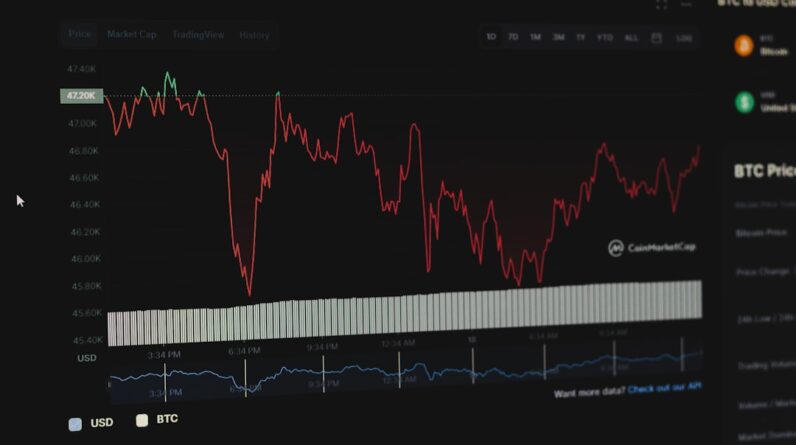
Despite the numerous advantages that cryptocurrency offers, there are still significant challenges and obstacles that must be addressed before it can fully disrupt traditional banking systems. One major concern is the volatility of cryptocurrencies. Prices can fluctuate dramatically within short periods, which can pose risks for individuals looking to use crypto as a stable form of currency.
This volatility may deter some from fully embracing cryptocurrencies as a reliable alternative to traditional banking. Another challenge lies in the technological barriers that exist for many potential users. While digital wallets and exchanges have become more user-friendly over time, there is still a learning curve associated with understanding how to buy, store, and use cryptocurrencies effectively.
For those who are not tech-savvy or who lack access to reliable internet services, adopting crypto may seem daunting. Overcoming these barriers will be essential for widespread adoption and for realizing the full potential of cryptocurrencies in eliminating banking fees.
Regulatory and Legal Considerations
As you delve deeper into the world of cryptocurrency, it’s important to consider the regulatory and legal landscape surrounding this emerging technology. Governments around the world are grappling with how to regulate cryptocurrencies, and their approaches vary widely. Some countries have embraced crypto and established frameworks that encourage innovation, while others have imposed strict regulations or outright bans.
This patchwork of regulations can create uncertainty for users like yourself who are interested in exploring crypto as an alternative to traditional banking. Moreover, regulatory compliance is crucial for ensuring the security and legitimacy of cryptocurrency transactions. As you engage with digital assets, understanding the legal implications—such as tax obligations and anti-money laundering regulations—becomes essential.
Navigating this complex landscape can be challenging, but staying informed about regulatory developments will empower you to make informed decisions regarding your financial future.
The Role of Centralized and Decentralized Cryptocurrency

In the realm of cryptocurrency, you will encounter both centralized and decentralized options, each offering distinct advantages and disadvantages. Centralized cryptocurrencies are typically managed by a single entity or organization that oversees transactions and maintains control over the network. While this can provide a sense of security and stability, it also introduces potential risks related to centralization, such as susceptibility to hacks or regulatory scrutiny.
On the other hand, decentralized cryptocurrencies operate on a peer-to-peer network without a central authority governing transactions. This decentralization aligns with the core principles of blockchain technology—transparency, security, and autonomy. As you explore these options, consider how each type of cryptocurrency aligns with your values and financial goals.
The choice between centralized and decentralized currencies will ultimately depend on your priorities regarding security, control, and ease of use.
Case Studies of Crypto Impact on Banking Fees
Examining real-world case studies can provide valuable insights into how cryptocurrency is already impacting banking fees across various sectors. For instance, companies like Ripple have developed solutions that leverage blockchain technology to facilitate cross-border payments at significantly lower costs than traditional banks. By partnering with financial institutions worldwide, Ripple has demonstrated how crypto can streamline payment processes while reducing fees for consumers.
Another notable example is the rise of decentralized finance (DeFi) platforms that offer services such as lending and borrowing without traditional intermediaries. These platforms often charge minimal fees compared to banks while providing users with greater flexibility in managing their assets. As you explore these case studies, it becomes clear that cryptocurrency is not just a theoretical concept; it is actively reshaping the financial landscape by challenging conventional banking practices.
The Future of Crypto and Banking Fees
Looking ahead, the future of cryptocurrency in relation to banking fees appears promising yet uncertain. As more individuals become aware of the benefits associated with using crypto—such as lower fees and increased control over finances—demand for these digital assets is likely to grow. This shift could compel traditional banks to adapt their business models in order to remain competitive in an evolving market.
However, challenges remain on the horizon. Regulatory developments will play a crucial role in shaping how cryptocurrencies are integrated into mainstream finance. Additionally, technological advancements will need to address issues related to security and user experience in order to foster greater adoption among consumers like yourself.
As you consider your own financial journey, staying informed about these trends will be essential in navigating the intersection of cryptocurrency and traditional banking fees. In conclusion, while banking fees have long been a source of frustration for consumers, cryptocurrency presents an innovative solution that has the potential to disrupt traditional banking systems. By understanding both the benefits and challenges associated with this new financial landscape, you can make informed decisions about how best to manage your finances in an increasingly digital world.
The future may hold exciting possibilities as crypto continues to evolve and reshape our understanding of money and banking.
FAQs
What is cryptocurrency?
Cryptocurrency is a digital or virtual form of currency that uses cryptography for security and operates independently of a central bank.
What are banking fees?
Banking fees are charges imposed by financial institutions for various services, such as account maintenance, ATM usage, overdrafts, and wire transfers.
How could crypto potentially end banking fees?
Cryptocurrency has the potential to reduce or eliminate banking fees by providing a decentralized and more cost-effective alternative to traditional banking services. With lower transaction costs and the ability to bypass intermediaries, crypto could disrupt the traditional banking fee model.
What are the challenges in using crypto to end banking fees?
Challenges in using crypto to end banking fees include regulatory hurdles, scalability issues, price volatility, security concerns, and the need for widespread adoption and acceptance.
What are some examples of crypto projects aiming to reduce banking fees?
Examples of crypto projects aiming to reduce banking fees include decentralized finance (DeFi) platforms, stablecoins, and blockchain-based payment solutions that offer lower transaction costs and greater financial inclusion.