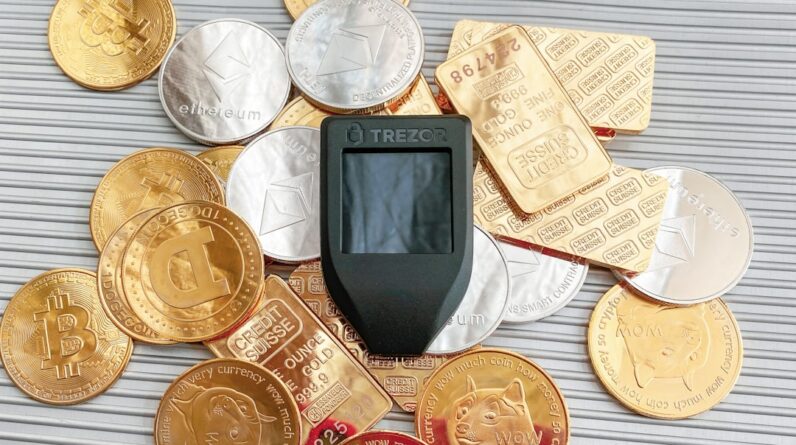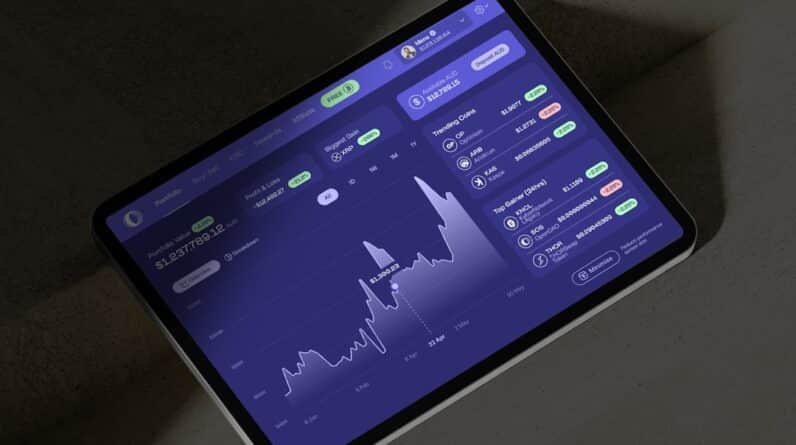
In the rapidly evolving landscape of finance, digital asset exchanges have emerged as pivotal platforms for trading various forms of digital assets, including cryptocurrencies, tokens, and other blockchain-based assets. These exchanges serve as intermediaries, facilitating the buying and selling of digital currencies while providing users with a secure environment to manage their investments. As you delve into the world of digital asset exchanges, you will discover that they are not merely trading platforms; they represent a fundamental shift in how value is exchanged in the digital age.
Digital asset exchanges can be categorized into two main types: centralized and decentralized. Centralized exchanges operate under a single authority, offering users a streamlined experience with high liquidity and a wide range of trading pairs. On the other hand, decentralized exchanges (DEXs) allow users to trade directly with one another without the need for an intermediary, promoting greater privacy and control over personal assets.
As you explore these platforms, you will find that each type has its unique advantages and challenges, shaping the way individuals and institutions engage with digital assets.
Key Takeaways
- Digital asset exchanges are platforms where users can buy, sell, and trade various digital assets, including cryptocurrencies.
- The rise of cryptocurrency has significantly impacted digital asset exchanges, leading to an increase in the number of crypto trading pairs and the overall trading volume.
- Advantages of using cryptocurrency in digital asset exchanges include lower transaction fees, faster transaction times, and increased accessibility to global markets.
- Challenges and risks of using cryptocurrency in digital asset exchanges include price volatility, security concerns, and regulatory uncertainty.
- Regulation and compliance are crucial aspects of crypto and digital asset exchanges, as they help to ensure investor protection and market integrity.
The Rise of Cryptocurrency in Digital Asset Exchanges
The rise of cryptocurrency has been nothing short of revolutionary, fundamentally altering the way people perceive and interact with money. As you navigate through this digital frontier, you will notice that cryptocurrencies like Bitcoin and Ethereum have gained significant traction, leading to an explosion of interest in digital asset exchanges. This surge can be attributed to various factors, including the increasing acceptance of cryptocurrencies by mainstream financial institutions, the growing number of retail investors, and the allure of decentralized finance (DeFi) solutions.
As you observe the market dynamics, it becomes clear that the proliferation of cryptocurrencies has led to a diversification of trading options on digital asset exchanges. New tokens and coins are being launched regularly, each with unique use cases and potential for growth. This diversification not only attracts seasoned investors but also entices newcomers eager to explore the possibilities of digital currencies.
The vibrant ecosystem surrounding cryptocurrencies has transformed digital asset exchanges into bustling marketplaces where innovation thrives.
Advantages of Crypto in Digital Asset Exchanges

One of the most compelling advantages of using cryptocurrencies in digital asset exchanges is the potential for high returns on investment. As you engage with these platforms, you may find that the volatility inherent in cryptocurrency markets can lead to significant price fluctuations, creating opportunities for traders to capitalize on short-term movements. This potential for profit has drawn many individuals to explore trading strategies that leverage market trends and price patterns.
Moreover, cryptocurrencies offer a level of accessibility that traditional financial markets often lack. With just an internet connection and a digital wallet, you can participate in global markets without the barriers imposed by banks or regulatory bodies. This democratization of finance empowers individuals from diverse backgrounds to invest and trade, fostering financial inclusion on a global scale.
As you immerse yourself in this world, you will appreciate how cryptocurrencies have opened doors for many who were previously excluded from traditional investment avenues.
Challenges and Risks of Crypto in Digital Asset Exchanges
Despite the numerous advantages associated with cryptocurrencies in digital asset exchanges, it is essential to acknowledge the challenges and risks that accompany this burgeoning market. One significant concern is the inherent volatility of cryptocurrencies, which can lead to substantial financial losses for traders who are unprepared for sudden market shifts. As you engage with these platforms, it is crucial to develop a robust risk management strategy to mitigate potential losses and protect your investments.
Additionally, security remains a paramount issue in the realm of digital asset exchanges. High-profile hacks and breaches have raised concerns about the safety of funds stored on these platforms. As you navigate this landscape, it is vital to prioritize security measures such as two-factor authentication, cold storage solutions, and regular audits of exchange practices.
By staying informed about potential risks and implementing best practices for security, you can enhance your overall trading experience while safeguarding your assets.
Regulation and Compliance in Crypto and Digital Asset Exchanges
As the popularity of cryptocurrencies continues to grow, so too does the scrutiny from regulatory bodies around the world. Governments are increasingly recognizing the need for regulation in order to protect consumers and maintain market integrity. As you explore digital asset exchanges, you will encounter varying degrees of regulatory compliance depending on the jurisdiction in which the exchange operates.
Understanding these regulations is crucial for ensuring that your trading activities align with legal requirements. Compliance with anti-money laundering (AML) and know your customer (KYC) regulations is becoming standard practice among reputable exchanges. These measures are designed to prevent illicit activities and promote transparency within the cryptocurrency ecosystem.
As you engage with different platforms, it is essential to familiarize yourself with their compliance policies and procedures. By doing so, you can ensure that your trading activities are conducted within a legal framework while contributing to the overall legitimacy of the cryptocurrency market.
The Future of Crypto in Digital Asset Exchanges

Looking ahead, the future of cryptocurrencies in digital asset exchanges appears promising yet uncertain. As technology continues to advance, you may witness the emergence of new trading models and innovative features designed to enhance user experience. The integration of artificial intelligence (AI) and machine learning into trading algorithms could revolutionize how trades are executed, providing users with more sophisticated tools for analysis and decision-making.
Furthermore, as institutional interest in cryptocurrencies grows, you may see an influx of capital into digital asset exchanges from hedge funds, family offices, and other large investors. This institutional participation could lead to increased liquidity and stability within the market, making it more attractive for retail investors like yourself. However, it is essential to remain vigilant as market dynamics evolve; understanding these changes will be key to navigating future opportunities effectively.
Innovations and Trends in Crypto and Digital Asset Exchanges
Innovation is at the heart of the cryptocurrency revolution, driving new trends that shape the landscape of digital asset exchanges. One notable trend is the rise of decentralized finance (DeFi), which aims to recreate traditional financial systems using blockchain technology. As you explore DeFi platforms integrated with digital asset exchanges, you may find opportunities for lending, borrowing, and earning interest on your crypto holdings without relying on traditional banks.
Another exciting development is the growing popularity of non-fungible tokens (NFTs), which represent unique digital assets such as art, music, and collectibles. Many digital asset exchanges are beginning to incorporate NFT marketplaces, allowing users like yourself to buy, sell, and trade these one-of-a-kind items seamlessly. This trend not only expands the scope of what can be traded on these platforms but also introduces new revenue streams for creators and investors alike.
The Potential Impact of Crypto on the Future of Digital Asset Exchanges
In conclusion, as you reflect on the potential impact of cryptocurrencies on digital asset exchanges, it becomes evident that we are witnessing a transformative era in finance. The rise of crypto has not only reshaped how value is exchanged but has also democratized access to investment opportunities for individuals around the globe. While challenges such as volatility and security concerns persist, ongoing innovations and regulatory developments promise to create a more robust ecosystem for traders.
As you continue your journey through this dynamic landscape, staying informed about emerging trends and best practices will be essential for maximizing your success in digital asset exchanges. The future holds immense potential for those willing to embrace change and adapt to new technologies. By engaging thoughtfully with this evolving market, you can position yourself at the forefront of a financial revolution that is set to redefine how we perceive value in the years to come.
FAQs
What is the role of crypto in digital asset exchanges?
Cryptocurrencies play a significant role in digital asset exchanges as they are used as a medium of exchange for trading various digital assets. They provide liquidity and enable the seamless transfer of value across different assets on these platforms.
How do cryptocurrencies impact the future of digital asset exchanges?
Cryptocurrencies are expected to continue shaping the future of digital asset exchanges by offering new opportunities for trading, investment, and innovation. They provide a decentralized and borderless alternative to traditional financial systems, which can potentially revolutionize the way assets are exchanged.
What are the benefits of integrating cryptocurrencies into digital asset exchanges?
Integrating cryptocurrencies into digital asset exchanges can lead to increased efficiency, lower transaction costs, enhanced security, and access to a wider range of assets. It also opens up new markets and investment opportunities for users.
What are the challenges associated with the role of crypto in digital asset exchanges?
Challenges related to the role of crypto in digital asset exchanges include regulatory uncertainty, security concerns, market volatility, and the need for robust infrastructure to support the growing demand for cryptocurrency trading.
How are digital asset exchanges adapting to the increasing role of crypto?
Digital asset exchanges are adapting to the increasing role of crypto by implementing advanced security measures, expanding their asset offerings, complying with regulatory requirements, and developing user-friendly interfaces to cater to a broader audience of cryptocurrency traders and investors.