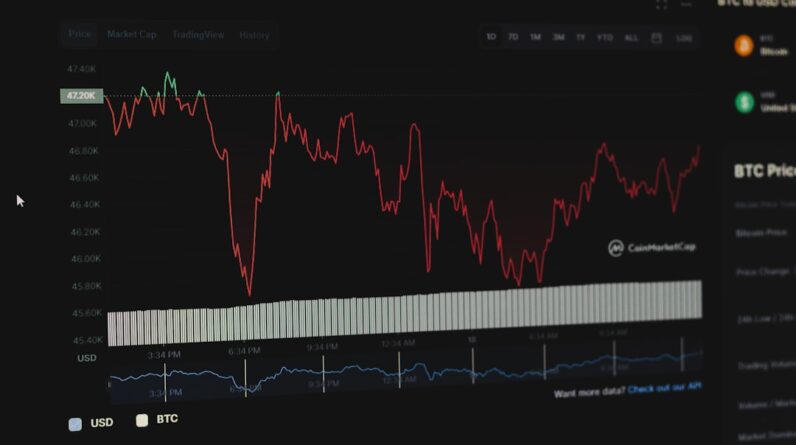
As you delve into the world of digital currency, you may find yourself captivated by its potential to revolutionize financial systems and empower individuals. However, this fascination often comes with a critical caveat: the environmental impact associated with digital currencies, particularly those that rely on mining processes. The rise of cryptocurrencies like Bitcoin and Ethereum has sparked a global conversation about the sustainability of these digital assets.
While they offer innovative solutions for transactions and investments, the ecological footprint they leave behind raises significant concerns. The environmental implications of digital currency extend beyond mere energy consumption; they encompass a range of issues, including e-waste, carbon emissions, and land use. As you explore these facets, it becomes clear that the allure of digital currencies must be balanced with a conscientious approach to their environmental consequences.
Understanding these impacts is essential for anyone interested in the future of finance and technology, as it shapes not only market trends but also global sustainability efforts.
Key Takeaways
- Digital currency has a significant environmental impact due to its energy consumption and e-waste generation.
- The energy consumption of digital currency mining is comparable to small countries and contributes to carbon emissions.
- E-waste from digital currency hardware disposal poses a threat to the environment and human health.
- The carbon footprint of digital currency transactions is a growing concern for its environmental impact.
- Deforestation and land use for digital currency mining are contributing to environmental degradation and loss of biodiversity.
Energy Consumption of Digital Currency Mining
The Energy Demands of Bitcoin Mining
Bitcoin mining alone consumes more electricity than some small countries, raising questions about the sustainability of such practices. The energy-intensive nature of mining is primarily due to the proof-of-work consensus mechanism employed by many cryptocurrencies, which necessitates solving complex mathematical problems that require significant computational resources.
The Environmental Cost of Mining
The environmental cost of maintaining these networks is substantial, with the reliance on fossil fuels in many regions exacerbating the situation and leading to increased greenhouse gas emissions and contributing to global warming. As the environmental impact of digital currency mining becomes more evident, it is crucial to consider the environmental cost of this process.
Exploring Alternative Solutions
As we navigate this landscape, it is essential to consider alternative consensus mechanisms and energy sources that could mitigate the environmental impacts of digital currency mining. By exploring these alternatives, we can work towards a more sustainable future for digital currencies.
E-waste and the Disposal of Digital Currency Hardware

In addition to energy consumption, the issue of e-waste generated by digital currency mining is another critical aspect to consider. The hardware used for mining—such as graphics processing units (GPUs) and application-specific integrated circuits (ASICs)—has a limited lifespan. As technology advances rapidly, miners often find themselves upgrading their equipment to remain competitive.
This cycle of obsolescence leads to a significant amount of electronic waste, which poses serious environmental challenges. When you think about e-waste, it’s essential to recognize that improper disposal can result in hazardous materials leaching into the environment. Many components of mining hardware contain toxic substances like lead and mercury, which can contaminate soil and water sources if not disposed of correctly.
As you reflect on this issue, it becomes clear that responsible recycling and disposal practices are vital for minimizing the environmental impact of digital currency mining. Encouraging manufacturers to design more sustainable products and promoting recycling initiatives can help address this growing concern.
Carbon Footprint of Digital Currency Transactions
As you explore the carbon footprint associated with digital currency transactions, it’s important to understand that each transaction contributes to overall emissions. The process of validating transactions on a blockchain network often involves multiple nodes competing to solve cryptographic puzzles, consuming energy in the process. This energy consumption translates into carbon emissions, particularly in regions where electricity is generated from fossil fuels.
You may find it surprising that the carbon footprint of a single Bitcoin transaction can be equivalent to that of several hundred thousand credit card transactions. This stark contrast highlights the inefficiency of current mining practices and raises questions about the long-term viability of such systems. As you consider potential solutions, it becomes evident that transitioning to greener energy sources and adopting more efficient transaction methods could significantly reduce the carbon footprint associated with digital currencies.
Deforestation and Land Use for Digital Currency Mining
The environmental impact of digital currency mining extends beyond energy consumption and carbon emissions; it also encompasses land use and deforestation. In some regions, mining operations require vast amounts of land for setting up data centers and infrastructure. This demand can lead to habitat destruction and loss of biodiversity as forests are cleared to make way for mining facilities.
As you contemplate this issue, it’s essential to recognize that deforestation not only contributes to climate change but also disrupts local ecosystems and communities. The displacement of wildlife and alteration of natural landscapes can have far-reaching consequences for both the environment and human populations. You may find it imperative for stakeholders in the digital currency space to consider sustainable land use practices and engage with local communities to mitigate these impacts.
Impact on Water Resources from Digital Currency Mining
Water resources are another critical aspect affected by digital currency mining that often goes unnoticed. The cooling systems required for mining operations consume significant amounts of water, particularly in regions where temperatures are high. This demand can strain local water supplies, especially in areas already facing water scarcity.
As you reflect on this issue, consider how water-intensive mining operations can exacerbate existing challenges for communities reliant on these resources for agriculture and daily living. The competition for water between mining operations and local populations can lead to conflicts and further environmental degradation. It’s crucial for miners to adopt water-efficient technologies and practices that minimize their impact on local water resources while ensuring sustainable operations.
Mitigation Strategies for the Environmental Impact of Digital Currency
In light of the numerous environmental challenges posed by digital currency mining, exploring mitigation strategies becomes essential. One promising approach is transitioning to renewable energy sources for mining operations. By harnessing solar, wind, or hydroelectric power, miners can significantly reduce their carbon footprint while contributing to a more sustainable energy landscape.
You may also find it beneficial to advocate for the adoption of alternative consensus mechanisms that require less energy than traditional proof-of-work systems. Proof-of-stake, for example, allows participants to validate transactions based on their ownership of coins rather than computational power, drastically reducing energy consumption. Additionally, promoting responsible e-waste recycling programs can help address the growing problem of electronic waste generated by mining hardware.
Future Outlook for the Environmental Impact of Digital Currency
As you look toward the future of digital currency and its environmental impact, it’s clear that change is necessary for sustainability. The growing awareness of climate change and environmental degradation has prompted many stakeholders—ranging from miners to investors—to reconsider their practices and priorities. You may observe a shift toward greener technologies and more responsible approaches as public pressure mounts for accountability in the digital currency space.
Moreover, regulatory frameworks are likely to evolve in response to these concerns, encouraging more sustainable practices within the industry. As you engage with this dynamic landscape, consider how your choices as an investor or user can influence the trajectory of digital currencies toward a more sustainable future. By supporting initiatives that prioritize environmental responsibility, you can play a role in shaping a financial ecosystem that aligns with global sustainability goals.
In conclusion, while digital currencies hold immense potential for transforming financial systems, their environmental impact cannot be overlooked. By understanding the complexities surrounding energy consumption, e-waste, carbon emissions, land use, and water resources, you can make informed decisions that contribute to a more sustainable future in the realm of digital finance.
FAQs
What is digital currency?
Digital currency is a type of currency that is available only in digital or electronic form, and does not have a physical counterpart like paper money or coins. It operates independently of a central bank and is decentralized.
What is the environmental impact of digital currency?
The environmental impact of digital currency, particularly cryptocurrencies like Bitcoin, is primarily due to the energy consumption associated with the process of mining and validating transactions. This energy consumption contributes to carbon emissions and can have a significant environmental impact.
How does the mining process of digital currency impact the environment?
The mining process of digital currency, such as Bitcoin, requires powerful computers to solve complex mathematical problems in order to validate transactions and secure the network. This process consumes a significant amount of electricity, often sourced from fossil fuels, leading to a high carbon footprint and environmental impact.
What are the potential solutions to mitigate the environmental impact of digital currency?
Some potential solutions to mitigate the environmental impact of digital currency include transitioning to more energy-efficient consensus mechanisms, such as proof-of-stake, and increasing the use of renewable energy sources for mining operations. Additionally, efforts to improve the overall energy efficiency of digital currency networks can help reduce their environmental footprint.
Are there any ongoing efforts to address the environmental impact of digital currency?
Yes, there are ongoing efforts within the digital currency community to address the environmental impact of cryptocurrencies. Some initiatives include the development of more energy-efficient consensus algorithms, the promotion of renewable energy usage for mining operations, and the exploration of alternative approaches to reduce energy consumption in digital currency networks.