What if you could transcend the limitations of traditional finance during political turmoil or economic distress? Cryptocurrency presents that possibility, particularly in regions grappling with instability. Let’s unpack the implications of adopting cryptocurrency in these contexts, focusing on how it can both empower and complicate lives in various scenarios.

Understanding Cryptocurrency
Cryptocurrency, in its essence, is a form of digital or virtual currency secured by cryptography. This innovative financial technology allows for decentralized transactions, meaning they don’t require a central authority like a bank or government for legitimacy. Transactions are recorded on a public ledger known as the blockchain, ensuring transparency and security in financial exchanges. As you can see, this independent nature of cryptocurrency allows users to maintain control over their assets.
The Rise of Cryptocurrency
The rise of cryptocurrencies, particularly Bitcoin and Ethereum, has changed the dialogue around finance. Initially perceived as a speculative investment, these currencies have gained traction as legitimate means of exchange and store of value. Different regions, especially those experiencing political or economic instability, have turned to cryptocurrencies for various reasons, which we will further explore.
Political Instability and Its Opened Floodgates to Cryptocurrency
Political instability often comes with challenges such as currency devaluation, capital controls, and even hyperinflation. In such scenarios, traditional currency can lose its value at alarming rates, making everyday transactions daunting. This environment opens the door for cryptocurrencies, where you can escape these limitations.
The Case of Venezuela
Take Venezuela, for instance. Under severe economic distress fueled by political turmoil, the local currency, the Bolívar, has drastically lost value. Citizens have turned to Bitcoin and other cryptocurrencies to preserve their wealth and engage in international trade. By using cryptocurrencies, they bypass government restrictions on foreign transactions, fostering a sense of financial autonomy amidst chaos.
Impacts on Banked vs. Unbanked Populations
In regions where banking services are limited, cryptocurrency adoption offers newfound financial inclusion. You might wonder how this affects everyday people. For those who are unbanked or underbanked, cryptocurrencies provide access to online transactions, enabling them to send and receive money without traditional banking infrastructure.
| Category | Banked Population | Unbanked Population |
|---|---|---|
| Financial Access | Often have multiple services | Limited to cash-based transactions |
| Currency Instability | More prone to governmental fiat issues | Seek alternate forms of value (like crypto) |
| Transaction Flexibility | Can easily access and use services | Reliant on local systems |
Economic Instability: The Impetus Behind Cryptocurrency Adoption
In situations of economic instability, such as high inflation or unemployment, cryptocurrencies offer alternative pathways. You may wonder how digital currencies can serve as a safeguard against traditional economic challenges.
Escape from Inflation
Inflation can rapidly diminish your purchasing power, leading you to seek alternative forms of value. Cryptocurrencies are often seen as “digital gold,” providing a hedge against inflation due to their limited supply. For example, Bitcoin’s capped supply at 21 million ensures that, unlike fiat currencies, it cannot be arbitrarily inflated. As you look for stability, this limitation draws investors toward crypto during economically turbulent times.
Global Remittances and Trade
In regions plagued with economic challenges, pathways for trade and remittances become paramount. Cryptocurrencies enable seamless cross-border transactions without exorbitant fees tied to conventional banking systems. You might find this particularly beneficial, especially if your family lives in another country and you wish to send money back home efficiently.
| Factor | Traditional Methods | Cryptocurrency |
|---|---|---|
| Transaction Fees | High fees for remittances | Lower and sometimes negligible fees |
| Accessibility | Limited banking access | Accessible with a smartphone and internet |
| Speed of Transaction | Delayed due to banking hours | Instantaneous transfers |
The Double-Edged Sword of Cryptocurrency in Instability
While cryptocurrency offers empowerment during political and economic turmoil, it also introduces certain complexities that you must navigate. Being aware of both the benefits and potential pitfalls is crucial.
Volatility and Speculation
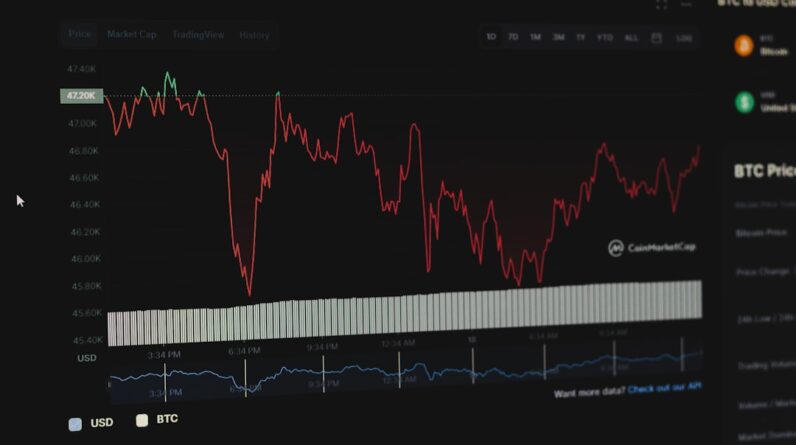
One of the most significant concerns with cryptocurrencies is their inherent volatility. Prices can fluctuate wildly, presenting both an opportunity and a risk. You may find yourself in a situation where the value of your assets drops substantially overnight, jeopardizing your financial ambitions or security.
Regulatory Challenges
Governments grappling with instability often struggle to regulate cryptocurrencies effectively. If authorities see a rise in cryptocurrency use as a threat to their control, they may impose drastic regulations or even ban these digital currencies. This unpredictability poses a risk for those who have invested significant time and resources into adopting this new financial system.

The Security Risks of Cryptocurrency Adoption
As cryptocurrency adoption rises, cybersecurity threats are also becoming more prevalent. If you find yourself in a region already burdened with political or economic instability, ensuring the security of your assets becomes even more critical.
Hacking and Scams
Cyber attacks targeting cryptocurrency exchanges can result in substantial losses. You may hear stories of individuals losing their life savings in an instant due to a hack or scam. It’s essential to take precautions such as using strong passwords, enabling two-factor authentication, and storing your assets in secure wallets.
Lack of Recourse
Compared to traditional banking systems, there is often limited recourse in cryptocurrency transactions. Once a transaction is made, it cannot be reversed. In circumstances where scams or mistakes occur, having no safety net can be daunting. The responsibility to safeguard your assets falls squarely on your shoulders.
How Governments Respond to Cryptocurrency Adoption
As cryptocurrency becomes more prominent, governments worldwide are grappling with how to respond to this new financial revolution. Yours might be one of those nations attempting to navigate this complicated landscape.
Regulation
The push for regulation continues to grow, often driven by concerns about fraud, tax evasion, and financial stability. For you, this means staying informed about how potential regulations might impact your ability to use cryptocurrencies. In some cases, governments may implement clear guidelines, while in others, they may resort to restrictive measures.
Central Bank Digital Currencies (CBDCs)
In an attempt to counter the rise of private cryptocurrencies, many central banks are contemplating launching their digital currencies. As someone interested in crypto, you must look out for developments in this area. The potential introduction of CBDCs could reshape the landscape, possibly offering some advantages of cryptocurrencies while maintaining central authority control.

The Societal Impact of Cryptocurrency Adoption
Beyond just economics and politics, the adoption of cryptocurrency carries significant societal implications that affect you in various ways.
Empowerment and Ownership
On a fundamental level, cryptocurrencies can empower individuals by granting them ownership over their assets. This opportunity can be exceptionally liberating, especially in regions where trust in government or financial institutions is low. You could feel a sense of freedom by stepping away from reliance on traditional systems that may hinder your financial growth.
Education and Awareness
With the rise of cryptocurrency comes the need for education. As you begin to navigate this landscape, staying informed is essential. There are countless resources, both online and offline, that can help you understand everything from how to invest responsibly to how to spot a scam. By educating yourself and your community about cryptography and blockchain, you can encourage informed discussions and decision-making.
Looking Forward: The Future of Cryptocurrency in Instability
So, what does the future hold? The implications of cryptocurrency adoption in politically and economically unstable regions are multifaceted, with potential benefits and challenges lurking in every corner.
Increased Adoption and Acceptance
Gradually, as more people recognize the potential of cryptocurrencies, we may see increased adoption and acceptance. You might witness merchants beginning to accept digital currencies or even the development of localized crypto solutions aimed at addressing specific problems.
Technological Advancements
The cryptocurrency space is dynamic, with continual technological advancements aimed at improving security, transaction speed, and user experience. Staying on top of these changes is essential as they can enhance your engagement with cryptocurrencies, making them even more practical.
Collaborative Solutions
To counter some of the negative aspects of cryptocurrency adoption, you may also begin to see collaborative solutions emerge. This could involve partnerships between governments and tech companies to create more inclusive and secure systems while preserving the core benefits of blockchain technology.

Conclusion
In a world increasingly defined by uncertainty, cryptocurrency offers an alternative path that could enhance your autonomy and financial independence. However, it is crucial to remain aware of the challenges and risks associated with this new financial frontier. As you navigate through political and economic instability, consider how cryptocurrency can influence your financial landscape, potentially transforming despair into opportunity. Your journey with digital currencies could become a key component of adapting to an ever-changing world.
In the end, it’s about making informed decisions that align with your values and financial goals. Remember, knowledge is your ally, and staying attuned to trends, regulations, and technological advancements will empower you to harness the full potential of cryptocurrency adoption in these tumultuous times.