As you delve into the world of cryptocurrencies, one of the first concepts you will encounter is that of a crypto wallet. At its core, a crypto wallet is a digital tool that allows you to store, send, and receive cryptocurrencies like Bitcoin, Ethereum, and many others. Unlike traditional wallets that hold physical cash, crypto wallets do not store your digital assets in a tangible form.
Instead, they hold the cryptographic keys that give you access to your cryptocurrencies on the blockchain. This means that your wallet is essentially a gateway to your digital assets, enabling you to interact with the blockchain network. Understanding how these wallets function is crucial for anyone looking to engage with cryptocurrencies.
When you make a transaction, your wallet uses your private key to sign it, proving that you are the rightful owner of the funds being transferred. The transaction is then broadcasted to the network, where it is verified and added to the blockchain. This process ensures that your transactions are secure and immutable.
However, it also places a significant responsibility on you as the user; if you lose access to your wallet or your private keys, you may lose your assets permanently.
Key Takeaways
- Crypto wallets are digital tools that allow users to store, send, and receive cryptocurrencies.
- There are three main types of crypto wallets: hardware, software, and paper wallets, each with its own advantages and disadvantages.
- Security measures for crypto wallets include two-factor authentication, encryption, and regular backup of wallet data.
- Best practices for storing and managing crypto wallets include using strong passwords, keeping software up to date, and using reputable wallet providers.
- Protecting your private keys is crucial for securing your crypto assets, and methods such as cold storage and multi-signature wallets can help enhance security.
Types of Crypto Wallets: Hardware, Software, and Paper Wallets
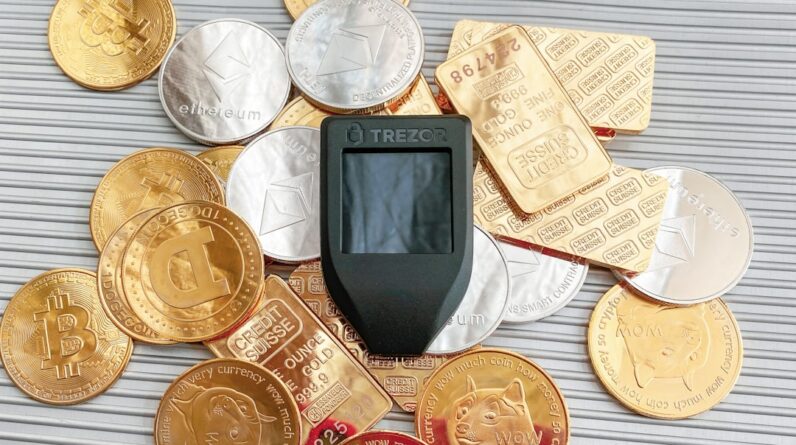
When it comes to crypto wallets, there are several types to choose from, each with its own advantages and disadvantages. Hardware wallets are physical devices designed specifically for storing cryptocurrencies securely. They are often considered the most secure option because they store your private keys offline, making them less vulnerable to hacking attempts.
If you prioritize security and plan to hold a significant amount of cryptocurrency, investing in a hardware wallet could be a wise decision. On the other hand, software wallets are applications or programs that can be installed on your computer or mobile device. These wallets are more convenient for everyday transactions but come with increased risks since they are connected to the internet.
Software wallets can be further categorized into desktop wallets, mobile wallets, and web wallets. Each type offers varying levels of security and ease of use, so it’s essential to assess your needs before choosing one. Lastly, paper wallets provide a unique approach by allowing you to print your private keys and public addresses on paper.
While this method is highly secure against online threats, it requires careful handling to avoid physical damage or loss.
Security Measures for Crypto Wallets: Two-Factor Authentication, Encryption, and Backup

As you navigate the complexities of managing a crypto wallet, implementing robust security measures is paramount. One of the most effective ways to enhance your wallet’s security is through two-factor authentication (2FA). This additional layer of security requires you to provide two forms of identification before accessing your wallet—typically something you know (like a password) and something you have (like a smartphone app that generates a time-sensitive code).
By enabling 2FA, you significantly reduce the risk of unauthorized access to your wallet. Encryption is another critical security measure that protects your wallet’s data from prying eyes. Many software wallets offer encryption features that scramble your private keys and sensitive information, making it nearly impossible for hackers to decipher even if they gain access to your device.
Additionally, regular backups of your wallet can save you from potential disasters. By creating backups of your wallet’s data and storing them in secure locations—such as an external hard drive or cloud storage—you ensure that you can recover your assets in case of device failure or loss.
Best Practices for Storing and Managing Crypto Wallets
Managing your crypto wallet effectively involves adopting best practices that enhance both security and usability. First and foremost, always keep your software up to date. Wallet developers frequently release updates that patch vulnerabilities and improve security features.
By ensuring that you are using the latest version of your wallet software, you minimize the risk of falling victim to known exploits. Another best practice is to diversify your storage methods. Instead of keeping all your cryptocurrencies in one wallet, consider spreading them across multiple wallets—some online for quick access and others offline for long-term storage.
This strategy not only enhances security but also allows you to manage different assets more efficiently. Additionally, be cautious about sharing information related to your wallet. Avoid discussing your holdings or wallet details in public forums or social media platforms where they could attract unwanted attention.
Protecting Your Private Keys: Importance and Methods
Your private keys are the most critical component of your crypto wallet; they grant access to your funds and enable transactions. Therefore, protecting these keys should be your top priority. If someone gains access to your private keys, they can easily transfer your assets without your consent.
To safeguard them, consider using hardware wallets that store keys offline or employing secure password managers that encrypt sensitive information. Another effective method for protecting your private keys is through mnemonic phrases or seed phrases. These phrases consist of a series of words generated when you create a new wallet and serve as a backup for recovering access if needed.
Store this phrase securely—preferably offline—and never share it with anyone. By taking these precautions, you can significantly reduce the risk of losing access to your cryptocurrency holdings.
Recovering Lost or Stolen Crypto Assets: Steps and Tips

Despite taking all necessary precautions, there may come a time when you find yourself needing to recover lost or stolen crypto assets. The first step in this process is to assess the situation carefully. If you’ve lost access due to forgetting your password or losing your device, check if your wallet offers recovery options such as password hints or recovery phrases.
If you suspect theft or hacking, immediately change any associated passwords and enable two-factor authentication if it wasn’t already active. You should also report the incident to the platform or service provider associated with your wallet; they may have procedures in place for dealing with such situations. While recovering stolen assets can be challenging due to the decentralized nature of cryptocurrencies, documenting all relevant information can help law enforcement agencies investigate further.
Risks and Threats to Crypto Wallet Security: Hacking, Phishing, and Malware
As you engage with cryptocurrencies, it’s essential to remain vigilant about potential risks and threats that could compromise your wallet’s security. Hacking is one of the most significant concerns; cybercriminals often target exchanges and wallets in search of vulnerabilities they can exploit. To mitigate this risk, always choose reputable platforms with strong security measures in place.
Phishing attacks are another prevalent threat in the crypto space. These scams often involve fraudulent emails or websites designed to trick you into revealing sensitive information like passwords or private keys. Always double-check URLs and avoid clicking on suspicious links.
Additionally, malware can infect devices and compromise wallet security by capturing keystrokes or accessing sensitive data without your knowledge. Regularly scanning your devices for malware and using antivirus software can help protect against these threats.
The Future of Crypto Wallet Security: Advancements and Innovations
As technology continues to evolve, so too does the landscape of crypto wallet security. Innovations such as biometric authentication—using fingerprints or facial recognition—are becoming increasingly popular as they offer an additional layer of protection while enhancing user convenience. These advancements could make it significantly harder for unauthorized users to gain access to wallets.
Moreover, developments in decentralized finance (DeFi) are paving the way for more secure wallet solutions that eliminate single points of failure associated with traditional centralized systems. As decentralized technologies mature, we may see new wallet designs that prioritize user control over their assets while maintaining robust security features. Staying informed about these advancements will empower you to make educated decisions regarding the management and security of your crypto assets in an ever-changing digital landscape.
In conclusion, understanding crypto wallets is essential for anyone looking to navigate the world of cryptocurrencies effectively. By familiarizing yourself with different types of wallets, implementing strong security measures, and adopting best practices for management, you can protect your digital assets from potential threats while enjoying the benefits of this innovative financial technology.
FAQs
What is a crypto wallet?
A crypto wallet is a digital tool that allows users to securely store, send, and receive digital assets such as cryptocurrencies. It stores the user’s private and public keys, which are used to access and manage their digital assets on the blockchain.
How do crypto wallets work?
Crypto wallets work by generating and storing the user’s private and public keys, which are used to access and manage their digital assets on the blockchain. When a user wants to send or receive digital assets, they use their wallet to create and sign transactions, which are then broadcast to the blockchain network for validation and inclusion in the ledger.
What are the different types of crypto wallets?
There are several types of crypto wallets, including hardware wallets, software wallets, and paper wallets. Hardware wallets are physical devices that store the user’s keys offline, providing a high level of security. Software wallets are digital applications or programs that can be accessed on a computer or mobile device. Paper wallets involve printing the user’s keys on a physical piece of paper for offline storage.
How can I keep my crypto wallet safe?
To keep your crypto wallet safe, it’s important to use strong security practices such as enabling two-factor authentication, using a secure and unique password, keeping your private keys offline, and regularly updating your wallet software. Additionally, it’s important to be cautious of phishing attempts and only use reputable wallet providers.
What should I do if I lose access to my crypto wallet?
If you lose access to your crypto wallet, it’s important to have a backup of your private keys or recovery phrase. This will allow you to regain access to your digital assets. If you do not have a backup, some wallet providers may offer recovery options, but it’s important to reach out to their support team as soon as possible.