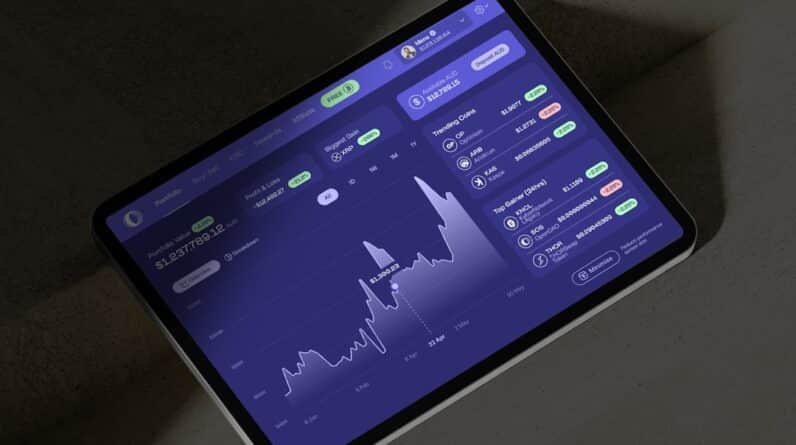
As you embark on your journey into the world of cryptocurrency investing, you may find yourself both excited and overwhelmed. The digital currency landscape has exploded in popularity over the past decade, drawing in a diverse array of investors, from seasoned traders to curious newcomers. Cryptocurrency investing offers the potential for significant returns, but it also comes with its own set of challenges and risks.
Understanding the fundamentals of this market is crucial for anyone looking to navigate its complexities successfully. In this rapidly evolving financial ecosystem, you will encounter various cryptocurrencies, each with unique features and purposes. Bitcoin, Ethereum, and countless altcoins present opportunities for profit, but they also require careful consideration and research.
As you delve deeper into this realm, you will discover that knowledge is your most valuable asset. By equipping yourself with the right information and strategies, you can position yourself to make informed decisions that align with your financial goals.
Key Takeaways
- Cryptocurrency investing offers potential for high returns but also comes with high risks.
- Blockchain technology is the underlying technology behind cryptocurrencies, providing transparency and security.
- When choosing cryptocurrencies to invest in, consider factors such as market demand, technology, and team behind the project.
- Successful crypto investing strategies include diversification, long-term holding, and staying updated on market trends.
- Managing risks and security in crypto investments involves using secure wallets, practicing caution with online exchanges, and staying informed about potential scams.
Understanding the Blockchain Technology
At the heart of cryptocurrency lies blockchain technology, a revolutionary system that underpins the majority of digital currencies. As you explore this technology, you’ll find that it serves as a decentralized ledger, recording all transactions across a network of computers. This transparency and security are what make blockchain so appealing to investors and users alike.
Each transaction is grouped into blocks, which are then linked together in chronological order, creating an immutable chain of data. Understanding how blockchain works is essential for grasping the potential of cryptocurrencies. Unlike traditional banking systems that rely on central authorities, blockchain operates on a peer-to-peer network, allowing for direct transactions between users.
This decentralization not only enhances security but also reduces the risk of fraud and manipulation. As you familiarize yourself with these concepts, you’ll begin to appreciate the transformative power of blockchain technology in various sectors beyond finance, including supply chain management, healthcare, and even voting systems.
Choosing the Right Cryptocurrencies to Invest In

With thousands of cryptocurrencies available in the market, selecting the right ones to invest in can be daunting. As you begin your investment journey, it’s crucial to conduct thorough research on each cryptocurrency’s fundamentals. Look for projects with strong use cases, solid development teams, and active communities.
Understanding the purpose behind a cryptocurrency can help you gauge its long-term viability and potential for growth. You should also consider market trends and historical performance when evaluating cryptocurrencies. While past performance is not always indicative of future results, it can provide valuable insights into how a particular asset reacts to market conditions.
Diversifying your portfolio by investing in a mix of established coins and promising newcomers can help mitigate risks while maximizing potential returns. As you refine your investment strategy, remember that patience and due diligence are key components of successful cryptocurrency investing.
Strategies for Successful Crypto Investing
Developing a solid investment strategy is essential for navigating the volatile world of cryptocurrencies. One approach you might consider is dollar-cost averaging (DCA), which involves investing a fixed amount of money at regular intervals regardless of market conditions. This strategy can help reduce the impact of market fluctuations on your overall investment and allows you to accumulate assets over time without trying to time the market perfectly.
Another strategy is to adopt a long-term perspective by holding onto your investments for an extended period. This approach requires discipline and a strong belief in the underlying technology and potential of the cryptocurrencies you’ve chosen. By resisting the urge to sell during market downturns or chase after short-term gains, you can position yourself to benefit from the long-term growth potential that many cryptocurrencies offer.
As you develop your strategies, be sure to stay informed about market trends and news that could impact your investments.
Managing Risks and Security in Crypto Investments
Investing in cryptocurrencies comes with inherent risks that you must be prepared to manage effectively. One of the most significant risks is market volatility; prices can fluctuate dramatically within short periods. To mitigate this risk, consider setting stop-loss orders or using other risk management tools that can help protect your investments from significant downturns.
Security is another critical aspect of cryptocurrency investing that you should prioritize. With the rise of digital assets has come an increase in cyber threats and scams targeting investors. To safeguard your investments, use reputable exchanges and wallets with strong security features.
Enabling two-factor authentication (2FA) and keeping your private keys secure are essential steps in protecting your assets from unauthorized access. By being proactive about risk management and security, you can create a safer environment for your cryptocurrency investments.
Tax Implications and Regulations in Cryptocurrency Investing

As you navigate the world of cryptocurrency investing, it’s essential to understand the tax implications associated with your transactions. In many jurisdictions, cryptocurrencies are treated as property rather than currency, meaning that capital gains taxes may apply when you sell or trade your digital assets. Keeping accurate records of your transactions will be crucial for calculating your tax obligations accurately.
Additionally, staying informed about regulations governing cryptocurrency investments in your country is vital. Regulatory frameworks are continually evolving as governments seek to address the challenges posed by digital currencies. By understanding these regulations, you can ensure compliance and avoid potential legal issues down the line.
Consulting with a tax professional who specializes in cryptocurrency can provide valuable guidance tailored to your specific situation.
Advanced Trading Techniques and Tools
Once you’ve gained some experience in cryptocurrency investing, you may want to explore advanced trading techniques and tools that can enhance your investment strategy. Technical analysis is one such method that involves analyzing price charts and patterns to make informed trading decisions. By studying historical price movements and identifying trends, you can develop insights into potential future price actions.
In addition to technical analysis, consider utilizing trading bots or algorithmic trading platforms that can execute trades on your behalf based on predefined criteria. These tools can help you take advantage of market opportunities even when you’re not actively monitoring the markets. However, it’s essential to approach these advanced techniques with caution; they require a solid understanding of market dynamics and risk management principles to be effective.
The Future of Cryptocurrency Investing
As you look ahead to the future of cryptocurrency investing, it’s clear that this space is poised for continued growth and innovation. The increasing adoption of digital currencies by mainstream financial institutions and businesses signals a shift toward greater acceptance of cryptocurrencies as legitimate assets. This trend could lead to more stable markets and increased opportunities for investors like yourself.
Moreover, advancements in blockchain technology are likely to drive new use cases and applications for cryptocurrencies beyond mere speculation. From decentralized finance (DeFi) platforms to non-fungible tokens (NFTs), the possibilities are vast and exciting. As an investor, staying informed about these developments will be crucial for identifying emerging trends and opportunities within the cryptocurrency landscape.
In conclusion, cryptocurrency investing offers a unique blend of opportunities and challenges that require careful consideration and strategic planning. By understanding the underlying technology, choosing the right assets, managing risks effectively, and staying informed about regulatory developments, you can position yourself for success in this dynamic market. Embrace the journey ahead with curiosity and diligence, as the world of cryptocurrency continues to evolve at an unprecedented pace.
FAQs
What is cryptocurrency investing?
Cryptocurrency investing involves buying, holding, and trading digital currencies such as Bitcoin, Ethereum, and other altcoins with the expectation of making a profit.
What are the benefits of investing in cryptocurrency?
Some potential benefits of investing in cryptocurrency include high potential returns, diversification of investment portfolio, and the opportunity to participate in a rapidly growing market.
What are the risks of investing in cryptocurrency?
Risks of investing in cryptocurrency include price volatility, regulatory uncertainty, security risks, and the potential for fraud and scams in the market.
What are some popular strategies for investing in cryptocurrency?
Popular strategies for investing in cryptocurrency include long-term holding (HODLing), day trading, swing trading, and investing in initial coin offerings (ICOs) and token sales.
What are some key considerations for beginners looking to invest in cryptocurrency?
Beginners should consider factors such as conducting thorough research, understanding the technology and market dynamics, choosing a secure and reputable exchange, and managing risk through diversification and proper asset allocation.
What are some recommended resources for learning about cryptocurrency investing?
Recommended resources for learning about cryptocurrency investing include books, online courses, reputable websites and blogs, and participation in cryptocurrency communities and forums.