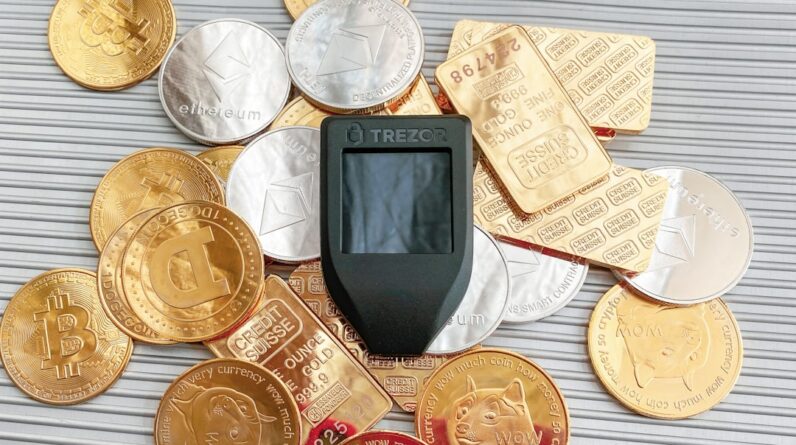
In an increasingly digital world, the management of assets has evolved significantly, particularly with the advent of cryptocurrencies and other digital assets. Digital asset custody management refers to the secure storage and administration of these assets, ensuring that they are protected from theft, loss, or mismanagement. As you navigate this complex landscape, understanding the nuances of digital asset custody becomes essential.
The rise of blockchain technology and decentralized finance has transformed how individuals and institutions approach asset management, leading to a growing demand for reliable custody solutions. As you delve deeper into this topic, you will discover that digital asset custody management is not merely about storage; it encompasses a range of services designed to safeguard assets while providing access and liquidity. This includes everything from private keys management to compliance with regulatory frameworks.
With the increasing popularity of cryptocurrencies, the need for robust custody solutions has never been more pressing. You will find that the landscape is continually evolving, driven by technological advancements and changing market dynamics.
Key Takeaways
- Digital asset custody management is a crucial aspect of the cryptocurrency space, ensuring the safe storage and management of digital assets.
- The rise of cryptocurrency has brought about a need for secure and reliable custody management solutions to safeguard digital assets.
- Using crypto for custody management offers advantages such as increased security, transparency, and efficiency in transactions.
- However, there are challenges and risks associated with crypto custody management, including regulatory compliance, technological vulnerabilities, and potential loss of assets.
- Security measures such as multi-signature wallets, cold storage, and robust authentication protocols are essential for safeguarding digital assets in custody management.
The Rise of Cryptocurrency in the Digital Asset Space
Cryptocurrency has emerged as a revolutionary force in the financial sector, capturing the attention of investors, institutions, and regulators alike. As you explore this phenomenon, you will notice that cryptocurrencies like Bitcoin and Ethereum have gained significant traction, not only as investment vehicles but also as mediums of exchange and stores of value. The decentralized nature of these digital currencies appeals to many who seek alternatives to traditional banking systems.
This shift has led to a burgeoning ecosystem of digital assets that require specialized management strategies. The rise of cryptocurrency has also been fueled by increasing public awareness and acceptance. As you engage with this topic, consider how mainstream media coverage and high-profile endorsements have contributed to the growing legitimacy of digital currencies.
Additionally, the proliferation of cryptocurrency exchanges and wallets has made it easier for individuals to buy, sell, and hold these assets. However, with this growth comes the necessity for secure custody solutions that can protect these assets from potential threats. Understanding this context is crucial as you navigate the complexities of digital asset custody management.
The Advantages of Using Crypto for Custody Management

Utilizing cryptocurrency for custody management offers several advantages that can enhance the security and efficiency of asset management. One significant benefit is the inherent transparency provided by blockchain technology. As you consider this aspect, you will realize that every transaction is recorded on a public ledger, making it easier to track ownership and transfer of assets.
This transparency can help build trust among stakeholders and reduce the risk of fraud or mismanagement. Another advantage lies in the potential for increased accessibility and liquidity. Cryptocurrencies can be traded 24/7 on various exchanges, allowing for quick access to funds when needed.
This flexibility can be particularly beneficial for institutional investors who require timely execution of trades. Additionally, the use of smart contracts can automate various processes within custody management, reducing operational costs and minimizing human error. As you reflect on these benefits, it becomes clear that integrating cryptocurrency into custody management can lead to a more streamlined and efficient approach.
The Challenges and Risks of Crypto Custody Management
Despite the advantages that cryptocurrency offers for custody management, there are also significant challenges and risks that must be addressed. One of the primary concerns is the volatility associated with digital assets. As you analyze this issue, you will find that the prices of cryptocurrencies can fluctuate dramatically within short periods, posing risks for investors and custodians alike.
This volatility can complicate asset valuation and create challenges in maintaining adequate liquidity. Moreover, security remains a paramount concern in the realm of crypto custody management. While blockchain technology is inherently secure, custodians must still contend with threats such as hacking, phishing attacks, and insider fraud.
As you consider these risks, it becomes evident that implementing robust security measures is essential to protect digital assets from potential breaches. Additionally, the lack of established regulatory frameworks in many jurisdictions can create uncertainty for custodians and investors alike, further complicating the landscape.
Security Measures for Crypto Custody Management
To mitigate the risks associated with crypto custody management, implementing comprehensive security measures is crucial. One effective strategy is the use of multi-signature wallets, which require multiple private keys to authorize transactions. This added layer of security can significantly reduce the risk of unauthorized access and theft.
As you explore this approach, consider how it enhances accountability by ensuring that no single individual has complete control over the assets. Another important security measure involves regular audits and compliance checks. By conducting thorough assessments of security protocols and practices, custodians can identify vulnerabilities and address them proactively.
Additionally, employing advanced encryption techniques can help safeguard sensitive data and protect against potential breaches. As you reflect on these measures, it becomes clear that a proactive approach to security is essential in maintaining trust and confidence in digital asset custody management.
The Future of Crypto in Digital Asset Custody Management

Institutional Adoption and Growing Demand
As institutional investors increasingly turn to cryptocurrencies, the need for reliable and secure custody solutions becomes more pressing. This growing demand is expected to shape the future of digital asset custody management, with custodians needing to adapt to meet the unique requirements of institutional clients.
Technological Advancements and Expanding Possibilities
Advances in technology, such as decentralized finance (DeFi) platforms and non-fungible tokens (NFTs), are expanding the possibilities for asset management beyond traditional frameworks. These innovations will likely influence regulatory considerations and security measures in the coming years, and custodians must be prepared to navigate this evolving landscape.
The Interplay Between Innovation and Regulation
The relationship between innovation and regulation will be crucial in determining how effectively custodians can adapt to the changing environment. As the industry continues to evolve, finding a balance between embracing new technologies and meeting regulatory requirements will be essential for success in digital asset custody management.
Regulatory Considerations for Crypto Custody Management
Navigating the regulatory landscape is a crucial aspect of crypto custody management that cannot be overlooked. As you delve into this topic, you will find that different jurisdictions have varying approaches to regulating digital assets. Some countries have embraced cryptocurrencies with open arms, while others have imposed strict regulations or outright bans.
Understanding these regulatory frameworks is essential for custodians seeking to operate within legal boundaries. Compliance with anti-money laundering (AML) and know your customer (KYC) regulations is another critical consideration for crypto custodians. As you explore this area, consider how these regulations aim to prevent illicit activities while ensuring transparency within the industry.
Custodians must implement robust compliance programs to meet regulatory requirements while maintaining customer trust. As you reflect on these challenges, it becomes evident that staying informed about regulatory developments will be vital for custodians looking to thrive in this dynamic environment.
The Potential Impact of Crypto on Digital Asset Custody Management
In conclusion, the integration of cryptocurrency into digital asset custody management presents both opportunities and challenges that require careful consideration. As you navigate this evolving landscape, it is essential to recognize the transformative potential that crypto holds for asset management practices. The advantages of transparency, accessibility, and efficiency offered by cryptocurrencies can significantly enhance traditional custody solutions.
However, it is equally important to remain vigilant about the risks associated with crypto custody management. By implementing robust security measures and staying informed about regulatory developments, custodians can position themselves for success in this dynamic environment. Ultimately, as you reflect on the potential impact of crypto on digital asset custody management, consider how embracing innovation while prioritizing security and compliance will be key to unlocking new possibilities in this exciting field.
FAQs
What is digital asset custody management?
Digital asset custody management refers to the storage and safekeeping of digital assets, such as cryptocurrencies, tokens, and other digital securities. It involves securely storing private keys and providing a secure infrastructure for managing and transferring digital assets.
What is the role of crypto in digital asset custody management?
Crypto plays a significant role in digital asset custody management as it provides a secure and decentralized way to store and transfer digital assets. Cryptocurrencies utilize blockchain technology, which offers secure and transparent transactions, making it an ideal solution for custody management.
How does crypto enhance the security of digital asset custody management?
Crypto enhances the security of digital asset custody management through features such as cryptographic encryption, multi-signature wallets, and decentralized storage. These features provide a high level of security and protection against unauthorized access and potential cyber threats.
What are the benefits of using crypto for digital asset custody management?
Some benefits of using crypto for digital asset custody management include increased security, transparency, and efficiency. Crypto also enables seamless cross-border transactions and reduces the reliance on traditional financial intermediaries.
What are the challenges of integrating crypto into digital asset custody management?
Challenges of integrating crypto into digital asset custody management include regulatory compliance, technological complexity, and the need for robust security measures. Additionally, the evolving nature of the crypto space requires ongoing adaptation and updates to custody management practices.